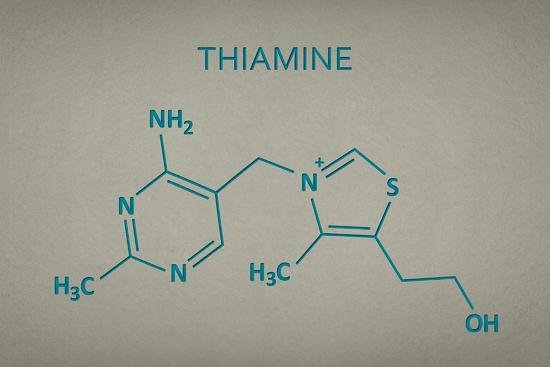
Thiamine

Key Takeaways

  1. Thiamine (Vitamin B1) is a water-soluble vitamin essential for energy metabolism, nerve function, and overall cellular function.
  2. Thiamine plays a critical role in carbohydrate metabolism, facilitating the conversion of glucose into energy.
  3. Thiamine benefits brain health by supporting neurotransmitter synthesis and protecting nerve cells.
  4. It has potential therapeutic effects on conditions such as beriberi, Wernicke-Korsakoff syndrome, and diabetic neuropathy.
  5. Deficiency symptoms include fatigue, irritability, reduced reflexes, nerve damage, and muscle weakness.

Thiamine Overview

Thiamine, also known as Vitamin B1, is an essential nutrient that plays a key role in energy metabolism and nerve function. It is naturally present in many foods, added to some food products, and available as a dietary supplement. Thiamine is crucial for converting carbohydrates into energy and is vital for the functioning of the heart, muscles, and nervous system.

Thiamine Benefits

  1. Energy Metabolism: Thiamine is a cofactor for enzymes involved in carbohydrate metabolism, which helps convert glucose into energy. This process is essential for maintaining energy levels and overall vitality.
  2. Nerve Function: Thiamine is essential for the proper functioning of the nervous system, supporting the synthesis of neurotransmitters and myelin. This helps in maintaining healthy nerve cells and efficient signal transmission.
  3. Cognitive Function: Thiamine contributes to brain health by supporting memory, attention, and cognitive processes. Adequate thiamine levels are associated with improved mental clarity and cognitive performance.
  4. Cardiovascular Health: Thiamine helps maintain heart health by supporting energy production in heart cells and protecting against oxidative stress. This is vital for ensuring the heart functions effectively and efficiently.
  5. Muscle Function: Thiamine supports muscle function by facilitating energy production in muscle cells. This helps in maintaining muscle strength and endurance.

Deficiency Symptoms

Thiamine deficiency can lead to several health issues, including:

  1. Fatigue and Weakness: Due to impaired energy metabolism.
  2. Nerve Damage: Resulting in tingling and numbness in the hands and feet.
  3. Beriberi: Characterized by muscle weakness, cardiovascular issues, and nerve damage.
  4. Wernicke-Korsakoff Syndrome: A serious brain disorder often associated with chronic alcohol consumption.
  5. Cognitive Impairments: Including memory loss and confusion.

Food Sources

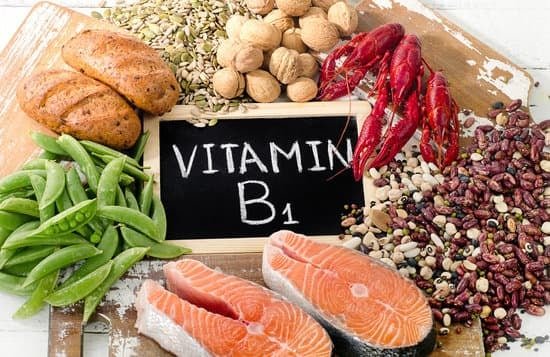
Thiamine can be found in a variety of foods, including:

  1. Whole Grains: Brown rice, oatmeal, and whole wheat bread.
  2. Meat: Pork, liver, and other organ meats.
  3. Fish: Tuna and trout.
  4. Legumes: Beans, lentils, and peas.
  5. Nuts and Seeds: Sunflower seeds and macadamia nuts.
  6. Vegetables: Spinach, kale, and asparagus.
  7. Fortified Foods: Breakfast cereals and grain products.
How Thiamine Works in the Brain

Thiamine plays a crucial role in brain function by supporting energy production, neurotransmitter synthesis, and nerve cell protection.

  1. Energy Production: Thiamine is a coenzyme for pyruvate dehydrogenase and alpha-ketoglutarate dehydrogenase, which are critical for glucose metabolism and ATP production. This is essential for maintaining high levels of energy in brain cells.
  2. Neurotransmitter Synthesis: Thiamine is involved in the synthesis of acetylcholine and gamma-aminobutyric acid (GABA), which are essential for cognitive function and mood regulation. These neurotransmitters play a key role in memory, learning, and emotional balance.
  3. Nerve Cell Protection: Thiamine has neuroprotective properties that help protect nerve cells from oxidative stress and excitotoxicity. This is crucial for preventing neurodegenerative diseases and maintaining overall brain health.

How Things Go Bad

We depend on our diet for thiamine. Very little thiamine is stored in your body, and depletion can occur within 14 days.

Thiamine deficiency can be caused by alcoholism, Alzheimer’s Disease, anemia, athletes who reduce food intake, cancer, clogged arteries, Crohn’s disease, diabetes, diarrhea, gastric bypass surgery, and kidney disease. Even a poor diet can contribute to deficiency.

Several foods are also considered “anti-thiamine factors” (ATF) and contribute to the risk of thiamine deficiency in otherwise healthy people. Certain plants contain ATF, which react with thiamine to form an oxidized, inactive product.

Consuming large amounts of tea and coffee (including decaffeinated), as well as chewing tea leaves and betel nuts, have been associated with thiamine depletion in humans.

ATF include mycotoxins (molds) that break thiamine down in the blood. If you eat certain raw, fresh-water fish, raw shellfish, and ferns, you are at a greater risk of thiamine deficiency. Thiamine is also inactivated by cooking food.

Thiamine is a cofactor of several enzymes, including transketolase, pyruvate dehydrogenase, and alpha-ketoglutarate dehydrogenase. Thiamine deficiency decreases cerebral glucose utilization, which results in mitochondrial damage.

Scientists have observed through electron microscopy disintegrating mitochondria, chromatin clumping, and swelling of degenerating neurons.

  • Low thiamine levels can slow the creation of ATP.
  • Energy levels drop.
  • Low thiamine levels can cause problems with memory, learning, recall, and perception.
  • Acetylcholine levels decline.
  • Blood pressure drops, reflexes decline, and calf muscles get tender.
  • Heart muscles enlarge.
  • Severe thiamine deficiency can result in psychosis.

Thiamine supplementation can help nearly every active adult, as well as students looking to do better in school, by boosting acetylcholine, glutamate, and GABA in the brain. Thiamine provides increased brain energy by contributing to the synthesis of ATP and building myelin sheaths that protect axons needed for brain cell signaling.

Types of Thiamine Supplements

Thiamine supplements are available in various forms, each with specific benefits and uses:

  1. Thiamine Hydrochloride: This is the most common form of thiamine supplement. It is water-soluble and easily absorbed by the body. It is often used to treat and prevent thiamine deficiency.
  2. Thiamine Mononitrate: Another widely used form, thiamine mononitrate is stable and has a longer shelf life than thiamine hydrochloride. It is often used in food fortification and dietary supplements.
  3. Benfotiamine: A fat-soluble derivative of thiamine, benfotiamine has better absorption and bioavailability compared to water-soluble forms. It is particularly effective in managing diabetic complications and neuropathy.
  4. Sulbutiamine: This synthetic derivative of thiamine is fat-soluble and can cross the blood-brain barrier more effectively than other forms. It is often used to enhance cognitive function and combat fatigue.
  5. Thiamine Pyrophosphate (TPP): Also known as cocarboxylase, this active form of thiamine is used in certain medical conditions requiring immediate replenishment of thiamine stores, such as in severe deficiency states.

Dosage Recommendations

The recommended daily allowance (RDA) for thiamine varies based on age, gender, and life stage:

  1. Adults: The RDA for adult men is 1.2 mg/day, while for adult women, it is 1.1 mg/day.
  2. Pregnancy and Lactation: Pregnant and breastfeeding women need higher amounts, around 1.4 mg/day.
  3. Children: Children require lower amounts, ranging from 0.5 mg/day for infants to 1.0 mg/day for older children.

For individuals with thiamine deficiency or certain medical conditions, higher doses may be necessary under medical supervision. It’s best to consult with a healthcare professional to determine the right dosage for you.

Research Studies on Thiamine

  1. Beriberi Treatment: A study published in the Journal of the American College of Nutrition found that thiamine supplementation effectively treated beriberi, a disease caused by thiamine deficiency, by restoring proper nerve and muscle function. The study highlighted the importance of thiamine in maintaining cardiovascular and nervous system health.
  2. Wernicke-Korsakoff Syndrome: Research published in the New England Journal of Medicine showed that high-dose thiamine administration improved symptoms of Wernicke-Korsakoff syndrome, a neurodegenerative disorder associated with chronic alcoholism. The findings suggest that thiamine is critical for brain function and can prevent severe cognitive decline in at-risk populations.
  3. Diabetic Neuropathy: A study in Diabetes Care demonstrated that thiamine supplementation reduced symptoms of diabetic neuropathy, such as pain and numbness, by supporting nerve health and function. This study suggests thiamine’s potential as a therapeutic agent for managing diabetes-related complications.
  4. Cognitive Enhancement: Research published in the Journal of Neurochemistry showed that thiamine supplementation improved cognitive function and memory in individuals with mild cognitive impairment by supporting neurotransmitter synthesis. This indicates that thiamine can play a role in preventing or delaying the onset of neurodegenerative diseases.
  5. Cardiovascular Health: A study in Clinical Research in Cardiology found that thiamine supplementation improved cardiac function and reduced symptoms of heart failure in patients with chronic heart failure.
best glycine supplement

Glycine

Key Takeaways

  1. Glycine is a simple amino acid that acts as a neurotransmitter in the central nervous system, playing a role in sleep quality, cognitive function, and muscle repair.
  2. Glycine supports the production of collagen, glutathione, and creatine, and has neuroprotective and anti-inflammatory properties.
  3. Glycine benefits brain health by improving memory, attention, and mood, and is involved in the synthesis of key neurotransmitters.
  4. It has potential therapeutic effects on conditions such as schizophrenia, sleep disorders, and metabolic syndrome.
  5. Glycine supplementation dosage recommendation is typically 3-5 grams per day depending on the desired goal.
best glycine supplement

Glycine Overview
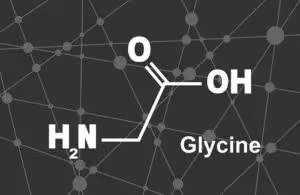
Glycine is the simplest amino acid found in proteins, characterized by a single hydrogen atom as its side chain. It is involved in numerous physiological functions and plays a key role as a neurotransmitter in the central nervous system. Glycine is found in high concentrations in collagen, which is abundant in connective tissues.

Glycine helps:

  1. Sleep Quality: Glycine has been shown to improve sleep quality and promote restful sleep by lowering body temperature and increasing serotonin levels.
  2. Cognitive Function: Glycine acts as an inhibitory neurotransmitter in the brain, enhancing cognitive function, memory, and attention.
  3. Muscle Repair: Glycine supports muscle repair and growth by contributing to the synthesis of collagen and creatine.
  4. Antioxidant Production: Glycine is a precursor to glutathione, a powerful antioxidant that protects cells from oxidative damage.
  5. Anti-Inflammatory Effects: Glycine has anti-inflammatory properties, which can help reduce inflammation and promote overall health.

How Glycine Works in the Brain
Glycine functions as an inhibitory neurotransmitter, primarily in the spinal cord and brainstem, where it helps regulate nerve impulses. It also acts as a co-agonist with glutamate at NMDA receptors, which are critical for synaptic plasticity, memory formation, and learning.

  1. Neurotransmitter Synthesis: Glycine is involved in the synthesis of key neurotransmitters, including serotonin and norepinephrine, which affect mood and cognitive function.
  2. NMDA Receptor Modulation: By modulating NMDA receptors, glycine plays a role in synaptic plasticity, which is essential for learning and memory.
  3. Neuroprotection: Glycine has neuroprotective properties that help protect brain cells from damage caused by oxidative stress and excitotoxicity.
glycine depression

Research Studies on Glycine

  1. Sleep Quality Improvement: A study published in the journal Sleep and Biological Rhythms found that glycine supplementation (3 grams before bedtime) improved sleep quality and reduced daytime sleepiness in individuals with sleep disorders.
  2. Cognitive Enhancement: Research published in the Journal of Clinical Psychopharmacology showed that glycine supplementation improved cognitive function in individuals with schizophrenia, particularly in memory and attention.
  3. Metabolic Syndrome: A study in The American Journal of Clinical Nutrition demonstrated that glycine supplementation improved markers of metabolic syndrome, such as insulin resistance and inflammation, in individuals with type 2 diabetes.
  4. Schizophrenia Treatment: Clinical trials have shown that glycine supplementation can enhance the effects of antipsychotic medications in patients with schizophrenia by modulating NMDA receptor activity.
  5. Neuroprotection: Research published in Neuropsychopharmacology found that glycine has neuroprotective effects, reducing neuronal damage and improving functional recovery in animal models of stroke.

Glycine Final Thoughts
Glycine is a versatile and important amino acid that plays numerous roles in the body and brain. Its benefits include improved sleep quality, enhanced cognitive function, muscle repair, and antioxidant production. Glycine supplementation can be particularly beneficial for individuals with sleep disorders, cognitive impairment, and metabolic syndrome. Given its safety and efficacy, glycine is a valuable addition to any supplement regimen aimed at promoting overall health and well-being.

References:

  1. Beneficial Effects of the Amino Acid Glycine
  2. The effect of glycine administration on the characteristics of physiological systems in human adults: A systematic review
  3. Dietary Glycine Is Rate-Limiting for Glutathione Synthesis and May Have Broad Potential for Health Protection
  4. Glycine: The Smallest Anti-Inflammatory Micronutrient
  5. Glycine-induced NMDA receptor internalization provides neuroprotection and preserves vasculature following ischemic stroke
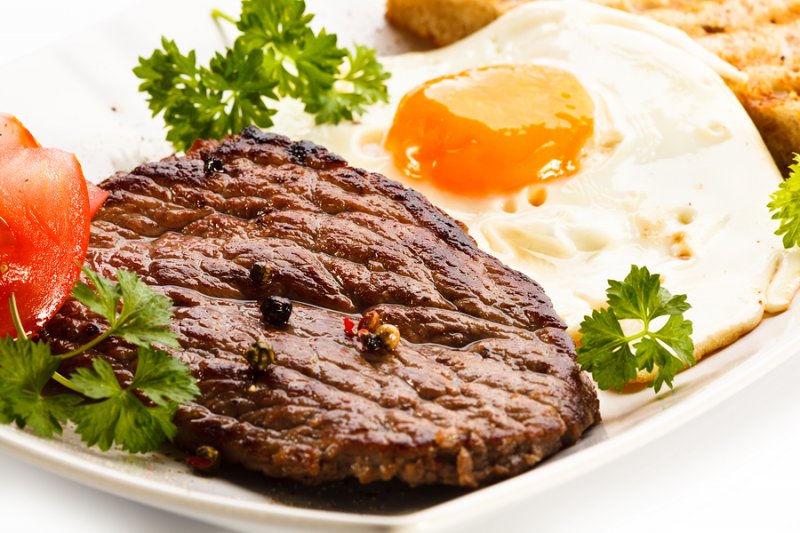
High quality Acetyl L-Carnitine is found naturally in grass-fed beef and mutton.

Acetyl-L-Carnitine (ALCAR)

Acetyl-L-Carnitine (ALCAR, ALC or LAC) is a synthesized version of L-Carnitine. Which is a derivative of the amino acids lysine and methionine.

ALCAR is more bioavailable than L-Carnitine. It easily crosses the blood-brain barrier. And delivers L-Carnitine across cell membranes and into your brain (which L-Carnitine would not be able to cross on its own).

L-Carnitine is naturally made in your liver and kidneys. And then transported to other tissues including your brain and heart.

ALCAR helps:

Acetyl-L-Carnitine (ALCAR) Overview

L-Carnitine is an amino acid that’s synthesized in your body. You also get it from red meat and dairy.

High quality Acetyl L-Carnitine is found naturally in grass-fed beef and mutton.

L-Carnitine is considered a “conditionally essential” nutrient because when your body uses it faster than it can produce it, you need supplemental L-Carnitine either from food or a supplement.

L-Carnitine is used throughout your body. Here we’re talking about the Acetyl-L-Carnitine form of L-Carnitine because of its affects on brain health and chemistry.

L-Carnitine vs. Acetyl-L-Carnitine: What’s the Difference?

L-Carnitine and Acetyl-L-Carnitine are often referred to as Carnitine. But each are structurally different, and each has its advantages.

L-Carnitine: Helps produce energy within the mitochondria of your cells, but is not capable of crossing the blood-brain barrier. Supplemental L-Carnitine is difficult for your body to absorb; only 18% of it reaches your bloodstream.

L Carnitine supplements are favored by athletes and dieters who want Carnitine’s fat-metabolizing benefits. But are not seeking any brain benefits.

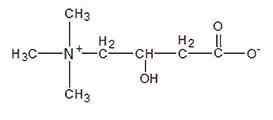
L-Carnitine chemical structure
L-Carnitine

Acetyl-L-Carnitine: Is easier to absorb and used by your body than L-Carnitine. In one animal study, who were given 2 grams of ALCAR daily for 50 days, ALCAR boosted blood levels of ALCAR by 43%.[i]

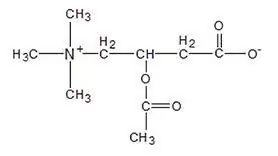
Acetyl-L-Carnitine chemical structure
Acetyl-L-Carnitine

ALCAR does everything that L-Carnitine does, but by adding an acetyl group, it but can also cross the blood-brain barrier. In another animal study, researchers found that ALCAR supports mitochondrial function which then protects brain cells from oxidative stress, while L-Carnitine does not.[ii]

How does Acetyl-L-Carnitine Work in the Brain?

Acetyl-L-Carnitine boosts brain health and function in several ways. But two in particular stand out.

  1. ALCAR boosts acetylcholine, a neurotransmitter tied to memory and overall brain function. Acetyl-L-Carnitine is a precursor to acetylcholine in the presence of Coenzyme-A. Test tube studies shows that ALCAR donates a “methyl group” to help make acetylcholine.[iii]

Alzheimer’s-diseased brains show a 25% to 40% reduction in carnitine acetyltransferase, an enzyme that works with L-Carnitine & Acetyl-L-Carnitine.

This enzyme decline led researchers to link low ALCAR with low acetylcholine, and Alzheimer’s onset. They went on to suggest that the therapeutic properties of ALCAR supplementation is a viable therapy for brain regeneration.[iv]

  1. ALCAR promotes brain energy metabolism by supporting your brain cell’s mitochondria in creating ATP which is your main source of cellular energy.[v]

ALCAR works as a shuttle transport for fatty acids through cell membranes into mitochondria to assist with adenosine triphosphate (ATP) synthesis.[vi]

ALCAR is essential for fatty acid oxidation:

  • ALCAR shuttles fatty acids into mitochondria, for the creation of ATP.
  • ALCAR then shuttles fatty acids out of mitochondria, and flushes out tox ic byproducts.
ALCAR helps maintain mitochondrial function in nearly every cell of your body and brain.


ALCAR helps maintain mitochondrial function in nearly every cell of your body. Your brain consumes at least 20% of your body’s energy. And generates a lot of toxic byproducts as well as different chronic intermittent stressors. . So ALCAR supplementation is particularly important for a healthy brain.

How things go bad

As we get older, our brain chemistry and energy metabolism changes.[vii]

↓ Nerve growth factor in the brain declines

↓ Acetyl-L-Carnitine levels decline

↓ Acetylcholine levels decline

↓ Mitochondria loses efficiency

All of these age-related changes are contributing factors to cognitive impairment and the neurodegenerative diseases of aging, including Alzheimer’s and dementia.

ALCAR Nootropic benefits

Animal research conducted at the Linus Pauling Institute at Oregon State University shows that Acetyl-L-Carnitine will:[viii]

  • Restore efficient mitochondrial energy production
  • Replenish age-related changes to mitochondrial structure
  • Replenish ALCAR and acetylcholine levels in the brain and body

One of the most potent Acetyl-L-Carnitine benefits is that it has the ability to boost acetylcholine and rejuvenate brain cells (including mitochondria). This has been proven to benefit those with age-related brain diseases like Alzheimer’s and major depressive symptoms.[ix]

And one animal study conducted in New Delhi showed that Acetyl L-Carnitine reduces lipofuscin in the cerebral cortex, hippocampus, striatum and thalamus.

How does Acetyl-L-Carnitine feel?

You may not feel ALCAR… unless you’re elderly, have low energy levels, or have Erectile Dysfunction. Within those specific groups, users of Acetyl-L-Carnitine report it helps with memory, mental fatigue, mood, mental performance and the ability to get and maintain an erection.

How does ALCAR make you feel?

ALCAR’s brain support and its ability to support the mitochondria in your brain cells should boost cognition in all age and gender groups.

As a nootropic, ALCAR user reviews report a boost in energy and quicker thinking.

ALCAR Clinical Research

In one study, researchers showed that ALCAR may have beneficial effects for depression and dementia in the aging brain.[x]

Another study out of Italy; researchers showed that Acetyl-L-Carnitine stimulated the growth of new neurites. More of these minute projections from nerve cell bodies meant increased signaling between cells throughout the central nervous system (brain and spinal cord).[xi]

And a study conducted at the Mount Sinai School of Medicine in New York found that ALCAR has potential in treating the symptoms of Parkinson’s Disease. By directly affecting mitochondrial respiration and assisting dopamine receptors and the use of dopamine in the brain.

ALCAR helps with Mild Cognitive Impairment (MCI)

A gold-standard double-blind, randomized controlled trial on 1,204 people showed significant effect on attention, mental performance, memory and higher mental functions.[xii]

In this study ALCAR seemed to ward off further brain deterioration. And could be considered as therapy for brain degeneration.

Acetyl-L-Carnitine slows rate of cognitive decline

130 Alzheimer’s patients were given ALCAR or a placebo daily for a year. They were tested across 14 points of cognitive performance.

This research showed a slower decline in cognitive performance with the ALCAR group compared to the placebo group.[xiii]

ALCAR effective for Chronic Fatigue Syndrome

acetyl-l-carnitine helps reduce chronic fatigue

Acetyl-L-Carnitine has been shown to improve fatigue in patients with chronic fatigue syndrome.

In a randomized, double-blind, crossover study; 36 people were treated for 3 months with either amantadine (used to treat Chronic Fatigue), or 1 gram of ALCAR twice daily.

The results of the study showed that ALCAR was better tolerated and more effective for brain function than the pharmaceutical for fatigue.[xiv]

Acetyl-L-Carnitine protects from oxidative damage of Ecstasy (MDMA)

Research has shown ALCAR to be effective in protecting your mitochondria from oxidative stress. But these guys took it a step further.

Male rats were given Acetyl-L-Carnitine before a dose of Ecstasy (MDMA). ALCAR pretreatment “exerts effective neuroprotection against MDMA-induced neurotoxicity at the mitochondrial level”, said the researchers.[xv]

Keep that in mind before your next party.

ALCAR for Erectile Dysfunction?

Carnitine versus androgen administration. In this study, 120 patients were split into 3 groups. Group 1 was given 160 mg of testosterone per day. The 2nd group was given 2 grams of Propionyl-L-Carnitine plus 2 grams of Acetyl L Carnitine hcl per day. And the 3rd group a placebo.

Did you know that there’s an International Index of Erectile Function?

Turns out the Propionyl-L-Carnitine/Acetyl-L-Carnitine stack was better than testosterone for sexual dysfunction. Without the side effects of an enlarged prostate, better orgasms, more sexual desire and improved mood.[xvi]

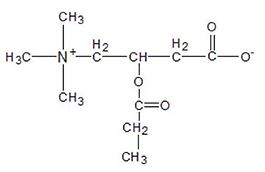
Propionyl-L-Carnitine chemical structure
Propionyl-L-Carnitine

ALCAR Recommended Dosage

  • Acetyl-L-Carnitine suggested dosage for cognitive benefits is 1 – 4 grams per day.
  • For improved mood and elimination of chronic fatigue, 1 – 3 grams of ALCAR per day.
  • For age-related memory concerns, 1 – 2 grams of ALCAR per day.

ALCAR is water-soluble and can be taken on an empty stomach with water. A few supplement manufacturers recommend taking their Acetyl-L-Carnitine with a meal. Which may imply that it’s fat-soluble although I’ve found no evidence in the scientific literature.

ALCAR Side Effects

Acetyl-L-Carnitine is produced naturally in your body. So is considered well-tolerated and safe.

Side effects are rare but can include nausea, vomiting, increased agitation, weight loss, and restlessness.

You can also see an increase in seizure frequency if you have any kind of seizure disorder.

ALCAR and thyroid hormones. L-carnitine inhibits both triiodothyronine (T3) and thyroxine (T4) entry into the cell. Which means ALCAR supplementation may make thyroid hormone replacement therapy less effective.