

Key Takeaways
- Vitamin D: A fat-soluble vitamin crucial for bone health, immune function, and overall well-being.
- Regulates Nutrient Absorption: Helps regulate calcium and phosphorus absorption, supports bone mineralization, and plays a role in immune response.
- Deficiency Risks: Can lead to bone disorders like rickets in children and osteomalacia in adults, as well as weakened immunity.
Vitamin D Overview
Vitamin D, also known as the sunshine vitamin, is essential for maintaining healthy bones, teeth, and muscles. It is produced by the skin when exposed to sunlight and can also be obtained from certain foods and supplements.
Vitamin D Benefits
- Bone Health: Regulates calcium and phosphorus levels in the body, supporting bone mineralization and strength.
- Immune Function: Modulates immune response, reduces inflammation, and supports immune cell function.
- Mood Regulation: Adequate levels are associated with improved mood and may play a role in mental health.
- Muscle Function: Important for muscle strength and coordination, contributing to overall mobility and physical performance.
Deficiency Symptoms
Vitamin D deficiency can lead to:
- Bone Disorders: Rickets in children, characterized by weak and bowed legs, and osteomalacia in adults, causing bone pain and muscle weakness.
- Weakened Immunity: Impaired immune function, increasing the risk of infections and autoimmune diseases.
- Mood Changes: A potential link between deficiency and mood disorders like depression and seasonal affective disorder (SAD).
Food Sources
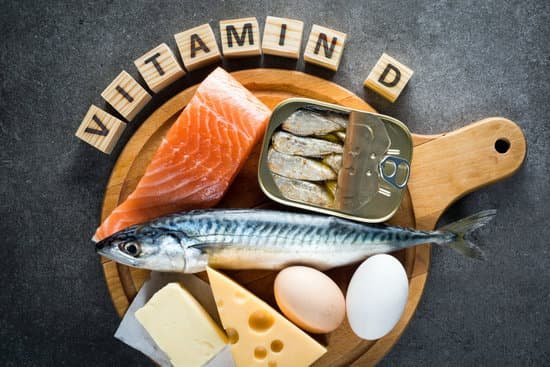
Good food sources of vitamin D include:
- Fatty Fish: Salmon, mackerel, and sardines.
- Egg Yolks: Especially from pasture-raised or fortified eggs.
- Fortified Foods: Dairy products, cereals, and orange juice fortified with vitamin D.
- Mushrooms: Some mushrooms, particularly those exposed to UV light.
How Vitamin D Works in the Body
Vitamin D maintains calcium and phosphorus balance, essential for bone health and mineralization. It supports immune function by modulating immune cell activity and reducing inflammation.
How Things Go Bad
Vitamin D deficiency can occur due to:
- Limited Sun Exposure: Insufficient sunlight, especially in regions with long winters or high pollution levels.
- Dietary Insufficiency: Not consuming enough vitamin D-rich foods or supplements.
- Dark Skin: People with darker skin produce less vitamin D from sunlight exposure.
- Obesity: Excess body fat can sequester vitamin D, reducing its availability for use.
Types of Vitamin D Supplements
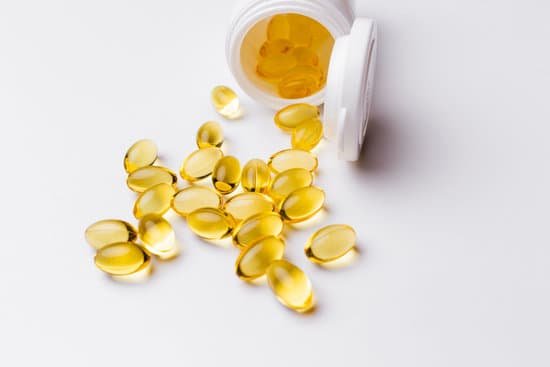
Vitamin D supplements are available in two main forms:
- Vitamin D2 (Ergocalciferol): Derived from plant sources and commonly used in supplements.
- Vitamin D3 (Cholecalciferol): Produced by the skin in response to sunlight and also available in supplements, it is more biologically active than D2.
Dosage Recommendations
The recommended daily allowance (RDA) for vitamin D varies based on age and health status:
- Adults: 600-800 IU (International Units) per day.
- Children: 400-600 IU per day.
- Deficiency Treatment: Higher doses (up to 2,000-4,000 IU/day) may be recommended under medical supervision.
It’s important to have your vitamin D levels checked by a healthcare professional before starting supplementation, as excessive intake can lead to toxicity.
Research Studies on Vitamin D
- Bone Health: Vitamin D is crucial in preventing bone disorders like rickets and osteoporosis, especially when combined with calcium supplementation.
- Immune Function: Plays a role in immune modulation, reducing the risk of infections and autoimmune diseases.
- Mood and Mental Health: Potential link between deficiency and mood disorders, though more research is needed to establish causality.
- Chronic Disease Prevention: Ongoing research on the role of vitamin D in preventing chronic diseases such as cancer, cardiovascular disease, and diabetes, though current evidence is mixed.
Vitamin D Final Thoughts
Vitamin D is an essential nutrient with diverse roles in bone health, immune function, and overall well-being. While sunlight exposure is a natural source, it’s important to obtain vitamin D from diet and supplements, especially in regions with limited sunlight or during winter months.
Disclaimer
The information provided in this article is for educational purposes only and is not intended as a substitute for professional medical advice, diagnosis, or treatment. Always seek the advice of your physician or other qualified health provider with any questions you may have regarding a medical condition.
Leave A Comment