
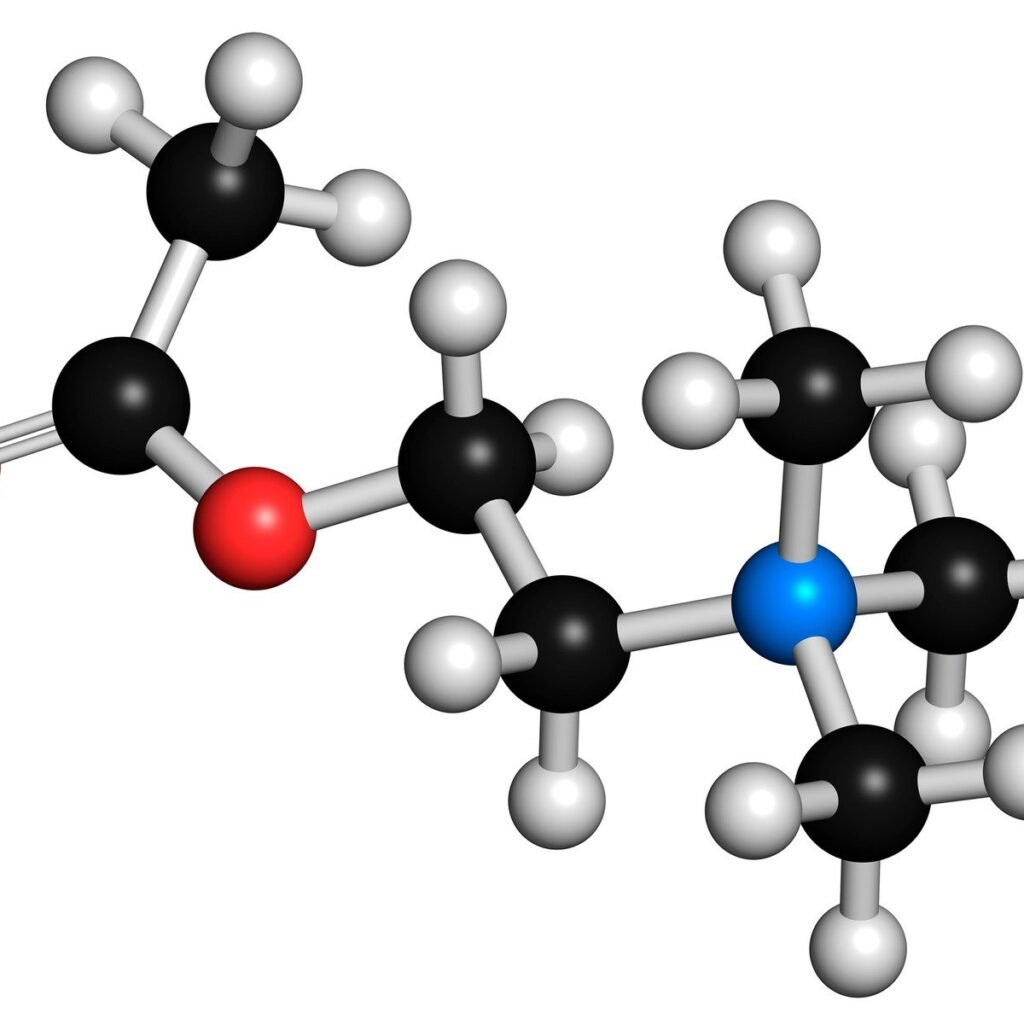
Key Takeaways
- Choline: An essential nutrient crucial for brain health, liver function, and overall metabolism.
- Roles: Plays a role in neurotransmitter synthesis, cell membrane structure, and lipid metabolism.
- Deficiency: Can lead to liver damage, cognitive impairments, and muscle disorders.
- Sources: Good food sources include eggs, meat, fish, dairy products, and certain plant-based foods like soybeans and cruciferous vegetables.
Choline Overview
Choline is a vital nutrient that plays multiple roles in the body, including brain function, nerve signaling, and metabolism. It is essential for the synthesis of acetylcholine, a neurotransmitter important for memory, learning, and muscle control.
Choline Benefits
- Brain Health: Choline is a precursor to acetylcholine, a neurotransmitter involved in memory, mood, and cognitive function.
- Liver Function: Supports liver health by aiding in fat metabolism and preventing fatty liver disease.
- Cell Membrane Structure: A component of cell membranes, contributing to their integrity and fluidity.
- Metabolism: Plays a role in lipid metabolism, helping to transport fats and cholesterol in the body.
Choline Deficiency Symptoms
A deficiency in choline can lead to:
- Liver Damage: Associated with liver abnormalities and fatty liver disease.
- Cognitive Impairments: May affect memory, concentration, and cognitive performance.
- Muscle Disorders: Important for muscle function, and a deficiency can contribute to muscle weakness or disorders.
How Choline Works in the Body
Choline is a precursor to acetylcholine, a neurotransmitter critical for nerve signaling and muscle control. It also plays a role in cell membrane structure and function, supporting overall cellular health.
Choline Food Sources
Good dietary sources of choline include:

- Eggs: Particularly the egg yolk, which is rich in choline.
- Meat: Beef, chicken, and pork are good sources of choline.
- Fish: Salmon, trout, and other fatty fish contain choline.
- Dairy Products: Milk, cheese, and yogurt provide choline.
- Plant-Based Foods: Soybeans, tofu, broccoli, and Brussels sprouts are plant-based sources of choline.
How Things Go Bad
Choline deficiency can occur due to:
- Inadequate Intake: Not consuming enough choline-rich foods in the diet.
- Certain Health Conditions: Some medical conditions or medications may interfere with choline absorption or utilization.
- Pregnancy and Breastfeeding: Increased choline needs during pregnancy and lactation can lead to deficiency if not met through diet or supplementation.

Choline Supplements
Choline supplements, such as choline bitartrate or choline chloride, are available and may be used to meet daily choline requirements, especially in cases where dietary intake is insufficient.
Dosage Recommendations
The adequate intake (AI) for choline varies by age and gender:
- Adult Men: 550 milligrams per day.
- Adult Women: 425 milligrams per day.
- Pregnant Women: 450 milligrams per day.
- Breastfeeding Women: 550 milligrams per day.
Specific dosages may vary based on individual health needs and should be determined in consultation with a healthcare provider.
Research Studies on Choline
- Brain Development: Adequate choline intake during pregnancy and early childhood is crucial for proper brain development and cognitive function in offspring.
- Liver Health: Choline supplementation has been shown to improve liver function and reduce the risk of fatty liver disease.
- Cognitive Function: Some research indicates that choline supplementation may benefit memory, attention, and cognitive performance in adults.
Choline Final Thoughts
Choline is an essential nutrient with diverse roles in brain health, liver function, and metabolism. Ensuring an adequate intake of choline-rich foods or considering supplementation can support overall health and well-being, particularly in individuals with increased choline needs or at risk of deficiency.
Disclaimer
The information provided in this article is for educational purposes only and is not intended as a substitute for professional medical advice, diagnosis, or treatment. Always seek the advice of your physician or other qualified health provider with any questions you may have regarding a medical condition.
Leave A Comment