
Key Takeaways
- Zinc is an essential mineral involved in immune function, DNA synthesis, and wound healing.
- It supports immune system function, promotes cell division and growth, and maintains healthy skin, hair, and nails.
- Zinc deficiency can lead to impaired immune function, delayed wound healing, and skin problems.
- Good food sources of zinc include meat, shellfish, legumes, seeds, and nuts.
Zinc Overview
Zinc is a vital mineral that serves various functions in the body, contributing to immune health, cell division, and wound healing. It is necessary for the proper functioning of enzymes and plays a role in maintaining healthy skin, hair, and nails.
Zinc Benefits
- Immune System Support: Critical for immune cell function, helping the body fight infections and illnesses.
- Cell Growth and Division: Essential for DNA synthesis and cell division, crucial processes for growth and development.
- Wound Healing: Plays a role in collagen synthesis and tissue repair, aiding in wound healing and skin regeneration.
- Skin Health: Supports oil gland function and skin cell turnover, contributing to healthy skin.
- Hair and Nail Health: Involved in maintaining strong and healthy hair and nails, reducing brittleness and breakage.
Zinc Deficiency Symptoms
Insufficient zinc intake can lead to:
- Weakened Immune System: Increased susceptibility to infections and slower recovery from illnesses.
- Delayed Wound Healing: Impaired wound healing process.
- Skin Problems: Dry skin, acne, eczema, or dermatitis.
- Hair Loss: Hair thinning or hair loss.
- Nail Issues: Brittle nails, white spots, or slow nail growth.
How Zinc Works in the Body
Zinc functions as a cofactor for numerous enzymes involved in metabolic processes, DNA synthesis, and protein synthesis. It is crucial for immune cell function, antioxidant activity, and hormone regulation.
Zinc Food Sources
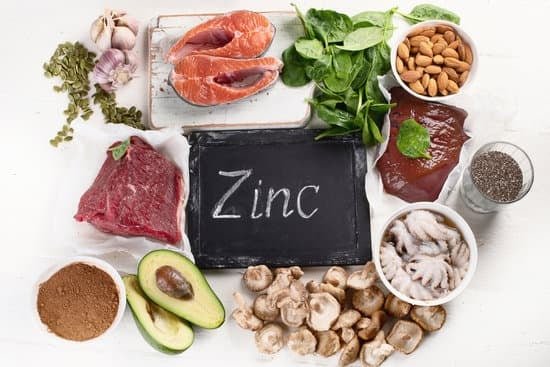
Rich dietary sources of zinc include:
- Meat: Beef, pork, lamb, and poultry.
- Shellfish: Oysters, crab, lobster, and shrimp.
- Legumes: Chickpeas, lentils, beans, and peas.
- Seeds and Nuts: Pumpkin seeds, hemp seeds, cashews, and almonds.
- Dairy: Milk, cheese, and yogurt.
- Whole Grains: Some whole grains like wheat germ and quinoa.
How Things Go Bad
Zinc deficiency can occur due to:
- Inadequate Intake: Not consuming enough zinc-rich foods.
- Poor Absorption: Factors like phytates in grains and legumes can inhibit absorption.
- Digestive Disorders: Conditions like Crohn’s disease or celiac disease can lead to deficiency.
- Vegetarian or Vegan Diets: Plant-based diets may be lower in bioavailable zinc.
- Alcoholism: Excessive alcohol consumption can interfere with absorption and utilization.
Zinc Supplements
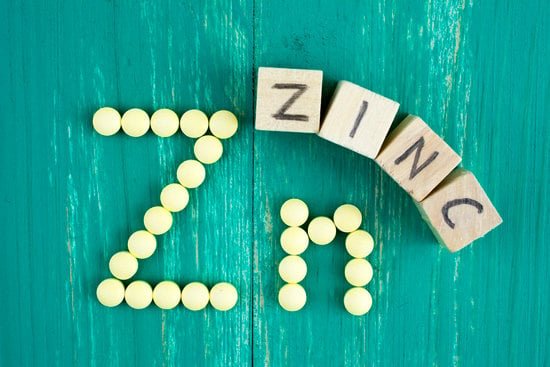
Zinc supplements, such as zinc gluconate, zinc sulfate, or zinc acetate, may address deficiency or support specific health needs. Consult with a healthcare provider for proper dosage and guidance.
Dosage Recommendations
The recommended dietary allowance (RDA) for zinc varies by age and gender:
- Adult Men: 11 mg/day
- Adult Women: 8 mg/day
- Pregnant and Breastfeeding Women: 11-12 mg/day
- Children and Adolescents: 2-11 mg/day, depending on age
Specific dosages may vary based on individual health status and should be determined in consultation with a healthcare provider.
Research Studies on Zinc
Numerous studies have explored the benefits of zinc supplementation in various health conditions, including:
- Immune Health: Reduces duration and severity of colds and respiratory infections.
- Wound Healing: Promotes wound healing and reduces infection risk.
- Skin Conditions: Benefits individuals with acne, eczema, or psoriasis by reducing inflammation and improving skin barrier function.
- Male Fertility: Plays a role in male reproductive health, and supplementation may improve sperm quality and fertility.
Zinc Final Thoughts
Zinc is an essential mineral with diverse roles in maintaining health and well-being. Ensuring an adequate intake of zinc-rich foods or considering supplementation under appropriate guidance can support overall health, immune function, and skin integrity.
Disclaimer: The information provided in this article is for educational purposes only and is not intended as a substitute for professional medical advice, diagnosis, or treatment. Always seek the advice of your physician or other qualified health provider with any questions you may have regarding a medical condition.
Leave A Comment