
Key Takeaways
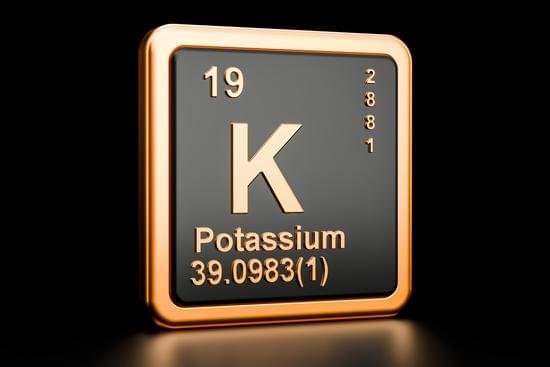
- Potassium: A crucial mineral that plays a vital role in maintaining fluid balance, nerve function, muscle contraction, and heart health.
- Functions: Helps regulate blood pressure, supports electrolyte balance, and contributes to proper cellular function.
- Deficiency: Can lead to muscle weakness, fatigue, heart irregularities, and other health issues.
- Sources: Good dietary sources include bananas, potatoes, spinach, avocados, and beans.
Potassium Overview
Potassium is an essential mineral and electrolyte that the body needs for various physiological functions, particularly those related to nerve and muscle activity.
Potassium Benefits
- Fluid Balance: Helps maintain fluid balance within cells and tissues, supporting proper hydration and cellular function.
- Nerve Function: Plays a key role in nerve impulse transmission, allowing for communication between nerve cells.
- Muscle Contraction: Essential for muscle contraction, including the heart muscle, contributing to normal heart rhythm and function.
- Blood Pressure Regulation: Helps regulate blood pressure by counteracting the effects of sodium and supporting healthy blood vessel function.
- Electrolyte Balance: Works alongside other electrolytes like sodium and chloride to maintain overall electrolyte balance in the body.
Potassium Deficiency Symptoms
Insufficient potassium intake can result in:
- Muscle Weakness: Can lead to muscle weakness, cramps, and spasms.
- Fatigue: Low levels may cause fatigue and weakness, affecting overall energy levels.
- Heart Irregularities: Crucial for maintaining normal heart rhythm, and deficiency can contribute to heart palpitations and irregularities.
- High Blood Pressure: Inadequate intake may contribute to high blood pressure, especially in individuals with a high-sodium diet.
- Kidney Stones: Helps prevent the formation of kidney stones by supporting urinary citrate excretion.
How Potassium Works in the Body
Potassium is absorbed from the diet and plays a role in:
- Nerve Signal Transmission: Facilitates nerve impulse transmission, allowing for communication between nerve cells and the brain.
- Muscle Function: Essential for muscle contraction, including skeletal muscles and the heart muscle (myocardium).
- Fluid Balance: Helps regulate fluid balance within cells and tissues, maintaining proper hydration and cellular function.
- Blood Pressure Regulation: Counteracts the effects of sodium, helping regulate blood pressure and support healthy blood vessel function.

Potassium Food Sources
Dietary sources rich in potassium include:
- Bananas: One of the most well-known sources, providing a significant amount per serving.
- Potatoes: Both white and sweet potatoes are rich in potassium, especially when consumed with the skin.
- Spinach: Leafy greens like spinach are excellent sources of potassium and other essential nutrients.
- Avocados: These fruits are not only rich in healthy fats but also contain a good amount of potassium.
- Beans: Legumes such as kidney beans, black beans, and lentils are potassium-rich foods.
- Oranges: Citrus fruits like oranges contribute to potassium intake along with vitamin C.
How Things Go Bad
Potassium deficiency (hypokalemia) can occur due to:
- Inadequate Intake: Not consuming enough potassium-rich foods in the diet.
- Excessive Loss: Excessive sweating, vomiting, diarrhea, or use of certain medications can lead to potassium loss.
- Medical Conditions: Some medical conditions, such as kidney disorders or eating disorders, can affect potassium levels.
- Diuretics: Certain medications, especially diuretics, can increase potassium excretion and lead to deficiency.
Potassium Supplements
Potassium supplements are available but should be used under medical supervision, especially for individuals with certain health conditions or taking medications that affect potassium levels.
Dosage Recommendations
The recommended daily intake of potassium varies by age and gender:
- Adults: 2,600-3,400 mg/day
- Adolescents: 2,000-3,000 mg/day
- Children: 400-1,800 mg/day (depending on age)
It’s important to get potassium from dietary sources whenever possible, as excessive potassium supplementation can be harmful.
Research Studies on Potassium
Numerous studies have investigated the role of potassium in health, including:
- Blood Pressure Management: Research has shown that diets rich in potassium can help lower blood pressure and reduce the risk of hypertension.
- Heart Health: Potassium intake is associated with a lower risk of cardiovascular diseases, including stroke and heart attack.
- Muscle Function: Plays a critical role in muscle function and athletic performance, particularly in preventing muscle cramps and fatigue.
- Kidney Health: Adequate intake may protect against kidney stone formation and support overall kidney function.
Potassium Final Thoughts
Potassium is an essential mineral with multiple health benefits, including its role in nerve function, muscle contraction, blood pressure regulation, and fluid balance. Consuming a balanced diet rich in potassium-rich foods is key to maintaining optimal potassium levels and supporting overall health.
Disclaimer
The information provided in this article is for educational purposes only and is not intended as a substitute for professional medical advice, diagnosis, or treatment. Always seek the advice of your physician or other qualified health provider with any questions you may have regarding a medical condition.
Leave A Comment