
Key Takeaways
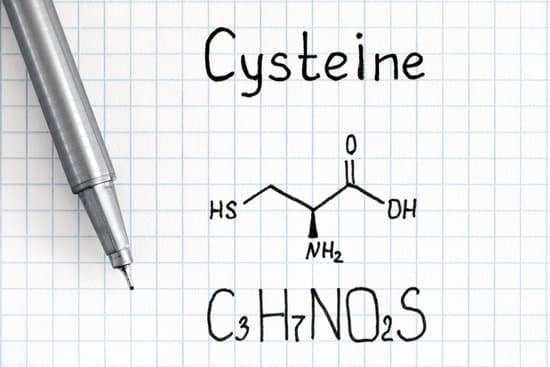
- N-Acetylcysteine (NAC): A compound derived from the amino acid cysteine, known for its antioxidant and detoxification properties.
- Health Support: Supports liver health, respiratory function, and may benefit mental health conditions like depression and OCD.
- Glutathione Precursor: Acts as a precursor to glutathione, a powerful antioxidant that neutralizes free radicals and supports immune function.
- Dietary Sources: Good dietary sources of cysteine, the precursor to NAC, include poultry, eggs, yogurt, and legumes.
N-Acetylcysteine (NAC) Overview
N-Acetylcysteine (NAC) is a compound derived from the amino acid cysteine. It is valued for its antioxidant properties and ability to support various aspects of health.
NAC Benefits
- Antioxidant Support: NAC acts as a precursor to glutathione, a potent antioxidant that neutralizes free radicals and protects cells from oxidative damage.
- Liver Health: Supports liver function by aiding in detoxification processes and promoting the production of glutathione, crucial for liver health.
- Respiratory Function: NAC has mucolytic properties, helping to break down mucus and improve respiratory conditions like chronic bronchitis and COPD.
- Mental Health: Studies suggest NAC may benefit mental health conditions such as depression, OCD (Obsessive-Compulsive Disorder), and addiction by modulating neurotransmitter levels and reducing oxidative stress.
- Immune Support: By supporting glutathione production, NAC helps bolster immune function and may enhance the body’s ability to fight infections and illnesses.
NAC Deficiency Symptoms
While NAC deficiency specifically is uncommon, inadequate intake of cysteine, its precursor, can lead to:
- Reduced Antioxidant Defense: Insufficient cysteine levels may compromise the body’s ability to produce glutathione, leading to increased oxidative stress and cellular damage.
- Respiratory Issues: Since NAC plays a role in respiratory health, low cysteine levels may contribute to respiratory conditions like mucus buildup and airway inflammation.
- Liver Dysfunction: Cysteine deficiency can impact liver function, affecting detoxification processes and antioxidant defenses.
How NAC Works in the Body
NAC exerts its beneficial effects through several mechanisms:
- Glutathione Synthesis: Serves as a precursor to glutathione, enhancing the body’s antioxidant capacity and supporting detoxification processes.
- Mucolytic Action: NAC’s mucolytic properties help break down thick mucus in the respiratory tract, improving breathing and reducing congestion.
- Neurotransmitter Modulation: NAC may influence neurotransmitter levels, particularly dopamine and glutamate, contributing to its potential benefits for mental health.
- Anti-inflammatory Effects: It has anti-inflammatory properties, which may help alleviate symptoms of inflammatory conditions and support overall immune function.
NAC Food Sources
While NAC itself is not abundant in food, its precursor cysteine is found in various dietary sources, including:
- Poultry: Chicken and turkey are rich in cysteine, providing a basis for NAC synthesis in the body.
- Eggs: Egg whites contain cysteine, making them a good source of this amino acid.
- Dairy Products: Yogurt and cheese contain cysteine and other amino acids necessary for overall health.
- Legumes: Beans, lentils, and soy products are plant-based sources of cysteine and protein.
How Things Go Bad
Factors that can impact NAC levels or function include:
- Poor Diet: Inadequate intake of cysteine-rich foods can lead to suboptimal NAC synthesis and reduced antioxidant defense.
- Environmental Toxins: Exposure to pollutants, heavy metals, and toxins can increase oxidative stress and deplete NAC reserves.
- Chronic Illness: Certain medical conditions may affect NAC metabolism and utilization, requiring additional support through supplementation.
- Aging: Age-related changes in metabolic processes and antioxidant capacity may influence NAC levels and effectiveness.
NAC Supplements
NAC supplements are available and commonly used to support liver health, respiratory function, and antioxidant defense. However, it’s essential to consult with a healthcare provider before starting any new supplement regimen, especially if you have underlying health conditions or are taking medications.
Dosage Recommendations
The recommended dosage of NAC varies based on individual health needs and goals. Typical doses range from 600 mg to 1200 mg per day for general health support. Higher doses may be used for specific therapeutic purposes, under medical supervision.
Research Studies on NAC
Research on NAC has explored its potential benefits in various areas, including:
- Liver Support: Studies suggest NAC supplementation may improve liver function and protect against liver damage caused by toxins or medications.
- Respiratory Health: NAC has been used to treat respiratory conditions like chronic bronchitis, COPD, and cystic fibrosis, with positive outcomes in reducing mucus buildup and improving breathing.
- Mental Health: NAC shows promise in managing mental health conditions such as depression, OCD, and addiction by modulating neurotransmitter levels and reducing oxidative stress.
- Detoxification: Due to its role in glutathione production, NAC supports detoxification processes and helps eliminate toxins from the body.
NAC Final Thoughts
N-Acetylcysteine (NAC) is a valuable compound with antioxidant, detoxification, and health-supporting properties. Whether obtained through diet or supplementation, NAC can contribute to overall well-being, liver health, respiratory function, and mental wellness.
Disclaimer
The information provided in this article is for educational purposes only and is not intended as a substitute for professional medical advice, diagnosis, or treatment. Always seek the advice of your physician or other qualified health provider with any questions you may have regarding a medical condition.
Leave A Comment