
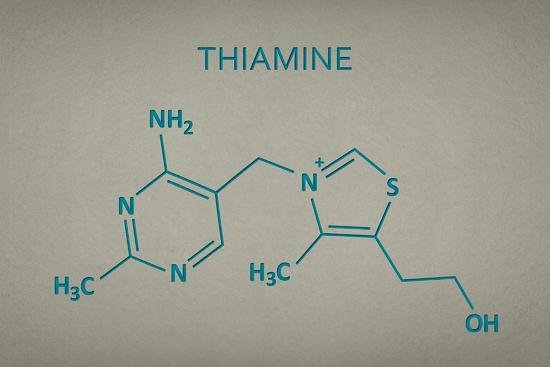
Key Takeaways
- Thiamine (Vitamin B1) is a water-soluble vitamin essential for energy metabolism, nerve function, and overall cellular function.
- Thiamine plays a critical role in carbohydrate metabolism, facilitating the conversion of glucose into energy.
- Thiamine benefits brain health by supporting neurotransmitter synthesis and protecting nerve cells.
- It has potential therapeutic effects on conditions such as beriberi, Wernicke-Korsakoff syndrome, and diabetic neuropathy.
- Deficiency symptoms include fatigue, irritability, reduced reflexes, nerve damage, and muscle weakness.
Thiamine Overview
Thiamine, also known as Vitamin B1, is an essential nutrient that plays a key role in energy metabolism and nerve function. It is naturally present in many foods, added to some food products, and available as a dietary supplement. Thiamine is crucial for converting carbohydrates into energy and is vital for the functioning of the heart, muscles, and nervous system.
Thiamine Benefits
- Energy Metabolism: Thiamine is a cofactor for enzymes involved in carbohydrate metabolism, which helps convert glucose into energy. This process is essential for maintaining energy levels and overall vitality.
- Nerve Function: Thiamine is essential for the proper functioning of the nervous system, supporting the synthesis of neurotransmitters and myelin. This helps in maintaining healthy nerve cells and efficient signal transmission.
- Cognitive Function: Thiamine contributes to brain health by supporting memory, attention, and cognitive processes. Adequate thiamine levels are associated with improved mental clarity and cognitive performance.
- Cardiovascular Health: Thiamine helps maintain heart health by supporting energy production in heart cells and protecting against oxidative stress. This is vital for ensuring the heart functions effectively and efficiently.
- Muscle Function: Thiamine supports muscle function by facilitating energy production in muscle cells. This helps in maintaining muscle strength and endurance.
Deficiency Symptoms
Thiamine deficiency can lead to several health issues, including:
- Fatigue and Weakness: Due to impaired energy metabolism.
- Nerve Damage: Resulting in tingling and numbness in the hands and feet.
- Beriberi: Characterized by muscle weakness, cardiovascular issues, and nerve damage.
- Wernicke-Korsakoff Syndrome: A serious brain disorder often associated with chronic alcohol consumption.
- Cognitive Impairments: Including memory loss and confusion.
Food Sources
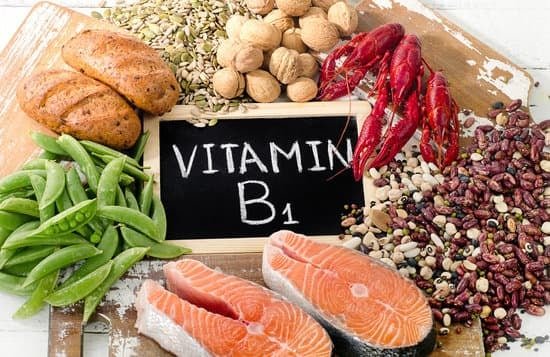
Thiamine can be found in a variety of foods, including:
- Whole Grains: Brown rice, oatmeal, and whole wheat bread.
- Meat: Pork, liver, and other organ meats.
- Fish: Tuna and trout.
- Legumes: Beans, lentils, and peas.
- Nuts and Seeds: Sunflower seeds and macadamia nuts.
- Vegetables: Spinach, kale, and asparagus.
- Fortified Foods: Breakfast cereals and grain products.
How Thiamine Works in the Brain
Thiamine plays a crucial role in brain function by supporting energy production, neurotransmitter synthesis, and nerve cell protection.
- Energy Production: Thiamine is a coenzyme for pyruvate dehydrogenase and alpha-ketoglutarate dehydrogenase, which are critical for glucose metabolism and ATP production. This is essential for maintaining high levels of energy in brain cells.
- Neurotransmitter Synthesis: Thiamine is involved in the synthesis of acetylcholine and gamma-aminobutyric acid (GABA), which are essential for cognitive function and mood regulation. These neurotransmitters play a key role in memory, learning, and emotional balance.
- Nerve Cell Protection: Thiamine has neuroprotective properties that help protect nerve cells from oxidative stress and excitotoxicity. This is crucial for preventing neurodegenerative diseases and maintaining overall brain health.
How Things Go Bad
We depend on our diet for thiamine. Very little thiamine is stored in your body, and depletion can occur within 14 days.
Thiamine deficiency can be caused by alcoholism, Alzheimer’s Disease, anemia, athletes who reduce food intake, cancer, clogged arteries, Crohn’s disease, diabetes, diarrhea, gastric bypass surgery, and kidney disease. Even a poor diet can contribute to deficiency.
Several foods are also considered “anti-thiamine factors” (ATF) and contribute to the risk of thiamine deficiency in otherwise healthy people. Certain plants contain ATF, which react with thiamine to form an oxidized, inactive product.
Consuming large amounts of tea and coffee (including decaffeinated), as well as chewing tea leaves and betel nuts, have been associated with thiamine depletion in humans.
ATF include mycotoxins (molds) that break thiamine down in the blood. If you eat certain raw, fresh-water fish, raw shellfish, and ferns, you are at a greater risk of thiamine deficiency. Thiamine is also inactivated by cooking food.
Thiamine is a cofactor of several enzymes, including transketolase, pyruvate dehydrogenase, and alpha-ketoglutarate dehydrogenase. Thiamine deficiency decreases cerebral glucose utilization, which results in mitochondrial damage.
Scientists have observed through electron microscopy disintegrating mitochondria, chromatin clumping, and swelling of degenerating neurons.
- Low thiamine levels can slow the creation of ATP.
- Energy levels drop.
- Low thiamine levels can cause problems with memory, learning, recall, and perception.
- Acetylcholine levels decline.
- Blood pressure drops, reflexes decline, and calf muscles get tender.
- Heart muscles enlarge.
- Severe thiamine deficiency can result in psychosis.
Thiamine supplementation can help nearly every active adult, as well as students looking to do better in school, by boosting acetylcholine, glutamate, and GABA in the brain. Thiamine provides increased brain energy by contributing to the synthesis of ATP and building myelin sheaths that protect axons needed for brain cell signaling.
Types of Thiamine Supplements
Thiamine supplements are available in various forms, each with specific benefits and uses:
- Thiamine Hydrochloride: This is the most common form of thiamine supplement. It is water-soluble and easily absorbed by the body. It is often used to treat and prevent thiamine deficiency.
- Thiamine Mononitrate: Another widely used form, thiamine mononitrate is stable and has a longer shelf life than thiamine hydrochloride. It is often used in food fortification and dietary supplements.
- Benfotiamine: A fat-soluble derivative of thiamine, benfotiamine has better absorption and bioavailability compared to water-soluble forms. It is particularly effective in managing diabetic complications and neuropathy.
- Sulbutiamine: This synthetic derivative of thiamine is fat-soluble and can cross the blood-brain barrier more effectively than other forms. It is often used to enhance cognitive function and combat fatigue.
- Thiamine Pyrophosphate (TPP): Also known as cocarboxylase, this active form of thiamine is used in certain medical conditions requiring immediate replenishment of thiamine stores, such as in severe deficiency states.
Dosage Recommendations
The recommended daily allowance (RDA) for thiamine varies based on age, gender, and life stage:
- Adults: The RDA for adult men is 1.2 mg/day, while for adult women, it is 1.1 mg/day.
- Pregnancy and Lactation: Pregnant and breastfeeding women need higher amounts, around 1.4 mg/day.
- Children: Children require lower amounts, ranging from 0.5 mg/day for infants to 1.0 mg/day for older children.
For individuals with thiamine deficiency or certain medical conditions, higher doses may be necessary under medical supervision. It’s best to consult with a healthcare professional to determine the right dosage for you.
Research Studies on Thiamine
- Beriberi Treatment: A study published in the Journal of the American College of Nutrition found that thiamine supplementation effectively treated beriberi, a disease caused by thiamine deficiency, by restoring proper nerve and muscle function. The study highlighted the importance of thiamine in maintaining cardiovascular and nervous system health.
- Wernicke-Korsakoff Syndrome: Research published in the New England Journal of Medicine showed that high-dose thiamine administration improved symptoms of Wernicke-Korsakoff syndrome, a neurodegenerative disorder associated with chronic alcoholism. The findings suggest that thiamine is critical for brain function and can prevent severe cognitive decline in at-risk populations.
- Diabetic Neuropathy: A study in Diabetes Care demonstrated that thiamine supplementation reduced symptoms of diabetic neuropathy, such as pain and numbness, by supporting nerve health and function. This study suggests thiamine’s potential as a therapeutic agent for managing diabetes-related complications.
- Cognitive Enhancement: Research published in the Journal of Neurochemistry showed that thiamine supplementation improved cognitive function and memory in individuals with mild cognitive impairment by supporting neurotransmitter synthesis. This indicates that thiamine can play a role in preventing or delaying the onset of neurodegenerative diseases.
- Cardiovascular Health: A study in Clinical Research in Cardiology found that thiamine supplementation improved cardiac function and reduced symptoms of heart failure in patients with chronic heart failure.
Leave A Comment