
Key Takeaways
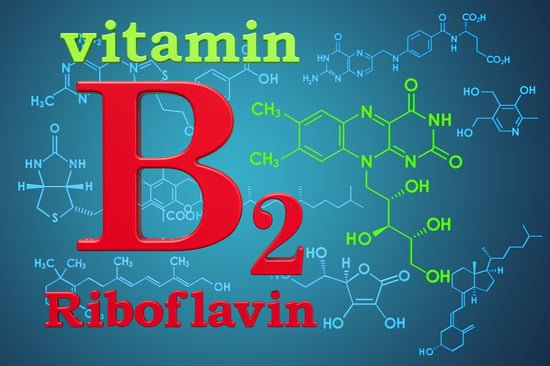
Riboflavin (Vitamin B2) is a water-soluble vitamin essential for energy production, cellular function, and metabolism of fats, drugs, and steroids.
Riboflavin plays a critical role in the conversion of carbohydrates into ATP, the energy currency of the cell.
Riboflavin supports skin health, vision, and red blood cell production.
It has potential therapeutic effects on conditions such as migraines, cataracts, and certain metabolic disorders.
Deficiency symptoms include sore throat, redness and swelling of the lining of the mouth and throat, cracks or sores on the outsides of the lips (cheilosis) and at the corners of the mouth (angular stomatitis), and a swollen, magenta-colored tongue (magenta tongue).
Riboflavin Overview
Riboflavin, also known as Vitamin B2, is an essential nutrient that plays a key role in energy production and cellular function. It is naturally present in many foods, added to some food products, and available as a dietary supplement. Riboflavin is crucial for converting carbohydrates into ATP and is vital for the functioning of the skin, eyes, and red blood cells.
Riboflavin Benefits
Energy Production: Riboflavin is a key component of the coenzymes FAD (flavin adenine dinucleotide) and FMN (flavin mononucleotide), which are essential for the production of ATP from carbohydrates, fats, and proteins.
Skin Health: Riboflavin supports the maintenance of healthy skin by promoting cell turnover and repair. It also helps to prevent acne and dermatitis.
Vision: Riboflavin is important for maintaining healthy eyes and preventing cataracts. It helps protect the eye cells from oxidative damage caused by free radicals.
Red Blood Cell Production: Riboflavin is necessary for the production and maintenance of red blood cells, which are essential for oxygen transport throughout the body.
Antioxidant Function: Riboflavin contributes to the body’s antioxidant defense system by regenerating glutathione, a powerful antioxidant that protects cells from oxidative stress.
Deficiency Symptoms
Riboflavin deficiency can lead to several health issues, including:
Sore Throat and Swelling: Due to impaired cellular function and repair.
Cheilosis: Cracks or sores on the outsides of the lips.
Angular Stomatitis: Cracks or sores at the corners of the mouth.
Magenta Tongue: Swelling and discoloration of the tongue.
Dermatitis: Inflammation of the skin, particularly around the nose and mouth.
Food Sources
Riboflavin can be found in a variety of foods, including:
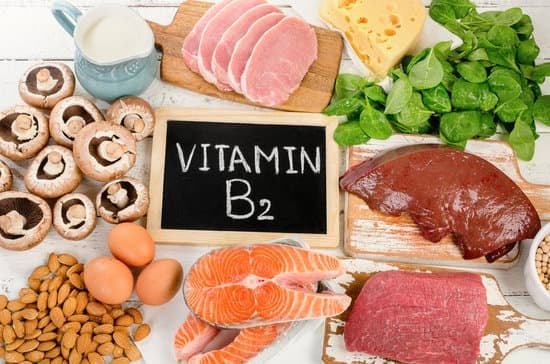
Dairy Products: Milk, cheese, and yogurt.
Meat: Lean meats, liver, and other organ meats.
Fish: Salmon and trout.
Eggs: Particularly the yolk.
Green Vegetables: Spinach, broccoli, and asparagus.
Grains: Fortified cereals and whole grains.
Nuts and Seeds: Almonds and sunflower seeds.
How Riboflavin Works in the Body
Riboflavin plays a crucial role in body function by supporting energy production, cellular health, and antioxidant defense.
Energy Production: Riboflavin is involved in the electron transport chain, a series of reactions that generate ATP, the main energy source for cells. This process is essential for maintaining high energy levels in the body.
Cellular Health: Riboflavin supports the production and repair of skin cells, maintaining healthy skin and mucous membranes. It also plays a role in wound healing and tissue repair.
Antioxidant Defense: Riboflavin helps regenerate glutathione, an important antioxidant that protects cells from damage by free radicals. This is crucial for preventing oxidative stress and maintaining overall health.
How Things Go Bad
We depend on our diet for riboflavin. Very little riboflavin is stored in your body, and depletion can occur quickly.
Riboflavin deficiency can be caused by poor diet, alcoholism, chronic diarrhea, liver disorders, and certain medications that interfere with vitamin absorption.
Types of Riboflavin Supplements
Riboflavin supplements are available in various forms, each with specific benefits and uses:
Riboflavin-5-Phosphate: This is the active form of riboflavin and is more readily absorbed by the body. It is often used in supplements for individuals with impaired absorption or metabolic disorders.
Riboflavin Mononucleotide: Another form that is used in supplements, particularly for individuals with specific health conditions requiring higher riboflavin intake.
Riboflavin Tablets/Capsules: These are the most common forms of riboflavin supplements and are used to prevent and treat riboflavin deficiency.
Dosage Recommendations
The recommended daily allowance (RDA) for riboflavin varies based on age, gender, and life stage:
Adults: The RDA for adult men is 1.3 mg/day, while for adult women, it is 1.1 mg/day.
Pregnancy and Lactation: Pregnant women need higher amounts, around 1.4 mg/day, and lactating women require 1.6 mg/day.
Children: Children require lower amounts, ranging from 0.3 mg/day for infants to 0.9 mg/day for older children.
For individuals with riboflavin deficiency or certain medical conditions, higher doses may be necessary under medical supervision. It’s best to consult with a healthcare professional to determine the right dosage for you.
Research Studies on Riboflavin
Migraine Prevention: A study published in the European Journal of Neurology found that riboflavin supplementation reduced the frequency and severity of migraines in patients, suggesting its potential as a preventive treatment for migraines.
Cataract Prevention: Research published in the American Journal of Clinical Nutrition showed that higher dietary intake of riboflavin was associated with a reduced risk of age-related cataracts, highlighting its importance in eye health.
Metabolic Disorders: A study in Molecular Genetics and Metabolism demonstrated that riboflavin supplementation improved symptoms in patients with multiple acyl-CoA dehydrogenase deficiency (MADD), a genetic disorder affecting metabolism.
Anemia Treatment: Research published in Blood found that riboflavin supplementation improved hemoglobin levels and overall anemia symptoms in patients with riboflavin-responsive anemia, indicating its therapeutic potential for this condition.
Skin Health: A study in Dermatology found that riboflavin supplementation improved symptoms of seborrheic dermatitis, a common skin condition, by supporting skin cell health and reducing inflammation.
Riboflavin Final Thoughts
Riboflavin is a vital nutrient with numerous benefits for energy production, cellular function, and overall health. Its roles in ATP production, antioxidant defense, and maintaining healthy skin and vision make it essential for overall well-being.
Disclaimer
The information provided in this video is for educational purposes only and is not intended as a substitute for professional medical advice, diagnosis, or treatment. Always seek the advice of your physician or other qualified health provider with any questions you may have regarding a medical condition. Never disregard professional medical advice or delay in seeking it because of something you have read or heard in this video. The statements made in this video have not been evaluated by the Food and Drug Administration and are not intended to diagnose, treat, cure, or prevent any disease.
Leave A Comment