
Vitamin D

Key Takeaways

  1. Vitamin D: A fat-soluble vitamin crucial for bone health, immune function, and overall well-being.
  2. Regulates Nutrient Absorption: Helps regulate calcium and phosphorus absorption, supports bone mineralization, and plays a role in immune response.
  3. Deficiency Risks: Can lead to bone disorders like rickets in children and osteomalacia in adults, as well as weakened immunity.

Vitamin D Overview

Vitamin D, also known as the sunshine vitamin, is essential for maintaining healthy bones, teeth, and muscles. It is produced by the skin when exposed to sunlight and can also be obtained from certain foods and supplements.

Vitamin D Benefits

  1. Bone Health: Regulates calcium and phosphorus levels in the body, supporting bone mineralization and strength.
  2. Immune Function: Modulates immune response, reduces inflammation, and supports immune cell function.
  3. Mood Regulation: Adequate levels are associated with improved mood and may play a role in mental health.
  4. Muscle Function: Important for muscle strength and coordination, contributing to overall mobility and physical performance.
Deficiency Symptoms

Vitamin D deficiency can lead to:

  1. Bone Disorders: Rickets in children, characterized by weak and bowed legs, and osteomalacia in adults, causing bone pain and muscle weakness.
  2. Weakened Immunity: Impaired immune function, increasing the risk of infections and autoimmune diseases.
  3. Mood Changes: A potential link between deficiency and mood disorders like depression and seasonal affective disorder (SAD).
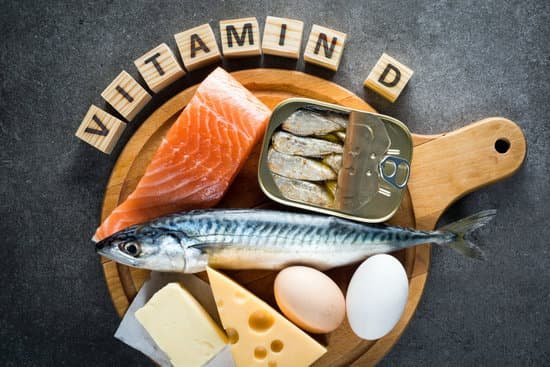
Food Sources

Good food sources of vitamin D include:

  1. Fatty Fish: Salmon, mackerel, and sardines.
  2. Egg Yolks: Especially from pasture-raised or fortified eggs.
  3. Fortified Foods: Dairy products, cereals, and orange juice fortified with vitamin D.
  4. Mushrooms: Some mushrooms, particularly those exposed to UV light.

How Vitamin D Works in the Body

Vitamin D maintains calcium and phosphorus balance, essential for bone health and mineralization. It supports immune function by modulating immune cell activity and reducing inflammation.

How Things Go Bad

Vitamin D deficiency can occur due to:

  1. Limited Sun Exposure: Insufficient sunlight, especially in regions with long winters or high pollution levels.
  2. Dietary Insufficiency: Not consuming enough vitamin D-rich foods or supplements.
  3. Dark Skin: People with darker skin produce less vitamin D from sunlight exposure.
  4. Obesity: Excess body fat can sequester vitamin D, reducing its availability for use.
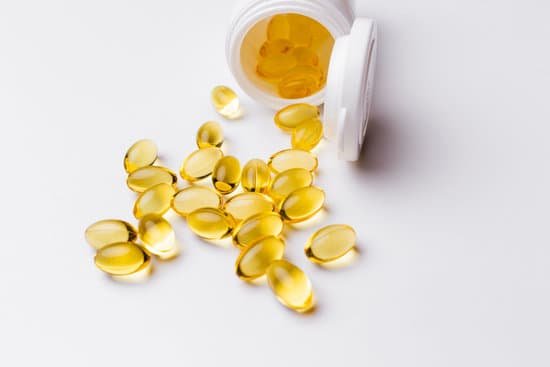
Types of Vitamin D Supplements

Vitamin D supplements are available in two main forms:

  1. Vitamin D2 (Ergocalciferol): Derived from plant sources and commonly used in supplements.
  2. Vitamin D3 (Cholecalciferol): Produced by the skin in response to sunlight and also available in supplements, it is more biologically active than D2.

Dosage Recommendations

The recommended daily allowance (RDA) for vitamin D varies based on age and health status:

  1. Adults: 600-800 IU (International Units) per day.
  2. Children: 400-600 IU per day.
  3. Deficiency Treatment: Higher doses (up to 2,000-4,000 IU/day) may be recommended under medical supervision.

It’s important to have your vitamin D levels checked by a healthcare professional before starting supplementation, as excessive intake can lead to toxicity.

Research Studies on Vitamin D

  1. Bone Health: Vitamin D is crucial in preventing bone disorders like rickets and osteoporosis, especially when combined with calcium supplementation.
  2. Immune Function: Plays a role in immune modulation, reducing the risk of infections and autoimmune diseases.
  3. Mood and Mental Health: Potential link between deficiency and mood disorders, though more research is needed to establish causality.
  4. Chronic Disease Prevention: Ongoing research on the role of vitamin D in preventing chronic diseases such as cancer, cardiovascular disease, and diabetes, though current evidence is mixed.

Vitamin D Final Thoughts

Vitamin D is an essential nutrient with diverse roles in bone health, immune function, and overall well-being. While sunlight exposure is a natural source, it’s important to obtain vitamin D from diet and supplements, especially in regions with limited sunlight or during winter months.

Disclaimer

The information provided in this article is for educational purposes only and is not intended as a substitute for professional medical advice, diagnosis, or treatment. Always seek the advice of your physician or other qualified health provider with any questions you may have regarding a medical condition.

Vitamin E

Key Takeaways

  1. Vitamin E: A fat-soluble antioxidant that plays a crucial role in protecting cells from oxidative damage.
  2. Supports Health: Enhances immune function, promotes skin health, and may have cardiovascular benefits.
  3. Deficiency: Rare but can lead to neurological and muscular problems.
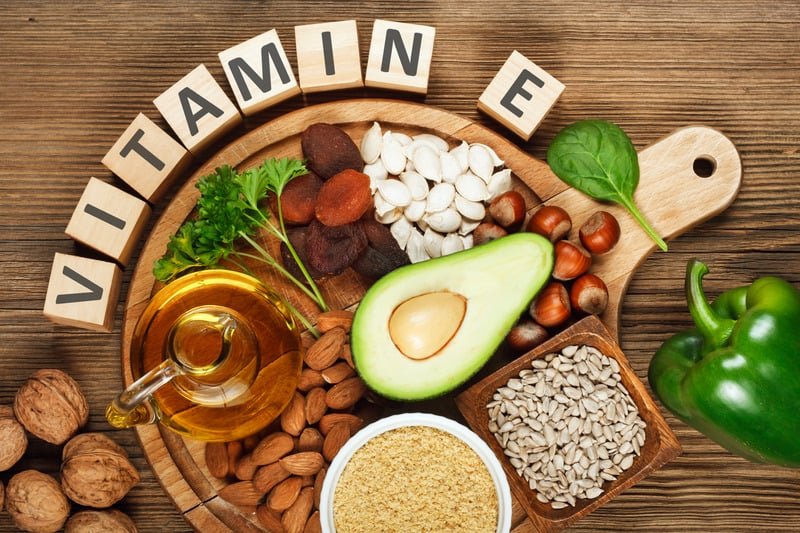
  4. Food Sources: Include nuts, seeds, vegetable oils, and leafy greens.

Vitamin E Overview

Vitamin E is a group of fat-soluble compounds known for their antioxidant properties. It helps protect cells from oxidative stress, which can contribute to aging and various diseases. Vitamin E exists in several forms, with alpha-tocopherol being the most biologically active.

Vitamin E Benefits

  1. Antioxidant Protection: Acts as an antioxidant, scavenging free radicals and protecting cells from oxidative damage.
  2. Immune Support: Enhances the activity of immune cells, helping the body defend against infections and illnesses.
  3. Skin Health: Reduces inflammation, supports wound healing, and protects against UV damage.
  4. Cardiovascular Health: May have benefits such as reducing oxidative stress in blood vessels and improving cholesterol levels.

Deficiency Symptoms

Vitamin E deficiency is rare but can lead to:

  • Neurological Issues: Muscle weakness, vision problems, and coordination difficulties.
  • Immune Impairment: Reduced immune function and increased susceptibility to infections.
  • Anemia: In severe cases, vitamin E deficiency can contribute to hemolytic anemia.

Food Sources

Good food sources of vitamin E include:

  • Nuts and Seeds: Almonds, sunflower seeds, and hazelnuts.
  • Vegetable Oils: Olive oil, sunflower oil, and wheat germ oil.
  • Leafy Greens: Spinach, kale, and Swiss chard.
  • Fortified Foods: Some cereals and fruit juices are fortified with vitamin E.

How Vitamin E Works in the Body

Vitamin E functions primarily as an antioxidant, protecting cells from oxidative damage caused by free radicals. It also plays a role in immune function, skin health, and cardiovascular health.

How Things Go Bad

While vitamin E deficiency is uncommon, it can occur due to:

  • Poor Diet: Not consuming enough vitamin E-rich foods.
  • Digestive Disorders: Conditions that impair fat absorption, such as Crohn’s disease or cystic fibrosis.
  • Genetic Disorders: Rare genetic conditions that affect vitamin E metabolism.

Types of Vitamin E Supplements

Vitamin E supplements are available in various forms, including:

  1. Alpha-Tocopherol: The most common and biologically active form of vitamin E.
  2. Mixed Tocopherols: Supplements that contain a mix of different vitamin E forms.
  3. Vitamin E Complexes: Supplements that combine vitamin E with other antioxidants or nutrients.

Dosage Recommendations

The recommended daily allowance (RDA) for vitamin E varies based on age and gender:

  1. Adults: The RDA for adult men and women is 15 milligrams (mg) of alpha-tocopherol.
  2. Pregnancy and Lactation: Pregnant and breastfeeding women may require slightly higher amounts, around 15-19 mg per day.

It’s important to consult with a healthcare professional before starting any supplement regimen, especially if you have underlying health conditions or are taking medications.

Research Studies on Vitamin E

  1. Antioxidant Benefits: Studies have shown that vitamin E supplementation can reduce oxidative stress and inflammation in various conditions, such as cardiovascular disease and diabetes.
  2. Skin Health: Promotes skin healing, reduces UV damage, and improves overall skin health.
  3. Immune Function: May enhance immune cell activity and support immune responses.
  4. Cardiovascular Effects: Potential cardiovascular benefits, particularly in reducing oxidative damage to blood vessels, though findings have been mixed.

Vitamin E Final Thoughts

Vitamin E is an essential nutrient with antioxidant properties that support overall health and well-being. While deficiency is rare, consuming vitamin E-rich foods or supplements can contribute to optimal health, especially for immune function, skin health, and cellular protection.

Disclaimer

The information provided in this document is for educational purposes only and is not intended as a substitute for professional medical advice, diagnosis, or treatment. Always seek the advice of your physician or other qualified health provider with any questions you may have regarding a medical condition.
Cobalamin

Key Takeaway

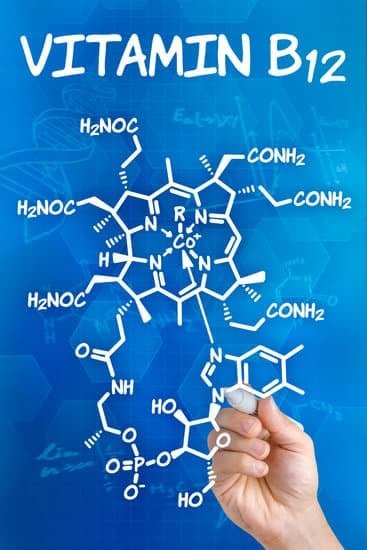
  1. Cobalamin (Vitamin B12): A water-soluble vitamin essential for DNA synthesis, red blood cell formation, and neurological function.
  2. Critical Roles: Plays a key role in energy metabolism, nerve cell maintenance, and the production of genetic material.
  3. Therapeutic Effects: Potential benefits for conditions such as pernicious anemia, neuropathy, and cognitive decline.
  4. Deficiency Symptoms: Includes fatigue, weakness, pale skin, neurological problems, and megaloblastic anemia.

Cobalamin Overview

Cobalamin is a vital nutrient that plays a key role in DNA synthesis, red blood cell formation, and neurological function. It is naturally present in animal products, fortified foods, and available as a dietary supplement. Cobalamin is crucial for overall cellular function, particularly in energy metabolism and nerve cell maintenance.

Cobalamin Benefits

  1. DNA Synthesis: Essential for DNA synthesis and repair, supporting cell division and genetic material production.
  2. Red Blood Cells: Necessary for the formation of red blood cells, preventing anemia and supporting oxygen transport.
  3. Neurological Function: Plays a crucial role in nerve cell maintenance and myelin formation, supporting neurological function and cognitive health.
  4. Energy Metabolism: Involved in converting food into energy for cellular processes.

Deficiency Symptoms

Cobalamin deficiency can lead to several health issues, including:

  • Anemia: Due to impaired red blood cell formation (megaloblastic anemia).
  • Neurological Problems: Nerve damage can cause tingling, numbness, and balance issues.
  • Fatigue: Reduced energy levels and overall weakness.
  • Pale Skin: Skin may appear paler due to reduced red blood cell production.
  • Cognitive Decline: Memory problems, confusion, and cognitive impairment may occur.

Food Sources

Cobalamin can be found in a variety of foods, including:

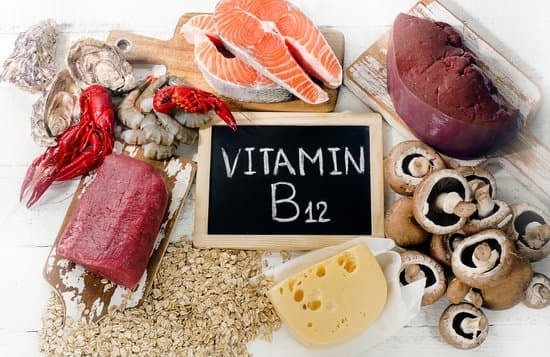
  • Animal Products: Beef, chicken, fish, eggs, and dairy products.
  • Fortified Foods: Some cereals, plant-based milk alternatives, and nutritional yeast.

How Cobalamin Works in the Body

Cobalamin plays a crucial role in body function by supporting DNA synthesis, red blood cell formation, and neurological function.

  1. DNA Synthesis: Necessary for the synthesis and repair of DNA, supporting cell division and genetic material production.
  2. Red Blood Cells: Essential for the production of red blood cells, preventing anemia and supporting oxygen transport.
  3. Neurological Function: Supports nerve cell maintenance, myelin formation, and neurotransmitter synthesis, contributing to neurological function and cognitive health.
  4. Energy Metabolism: Involved in converting food into energy for cellular processes.

How Things Go Bad

Cobalamin deficiency can occur due to various factors, including:

  • Poor Diet: Not consuming enough cobalamin-rich foods, especially in vegetarian or vegan diets.
  • Malabsorption: Certain gastrointestinal disorders can impair cobalamin absorption, leading to deficiency.
  • Intrinsic Factor Deficiency: Inadequate production of intrinsic factor, a protein necessary for cobalamin absorption in the gut.
  • Pernicious Anemia: An autoimmune condition that affects intrinsic factor production and cobalamin absorption.

Types of Cobalamin Supplements

Cobalamin supplements are available in various forms, including:

  1. Cyanocobalamin: The most common form of cobalamin supplement, often used in dietary supplements and fortified foods.
  2. Methylcobalamin: Another active form of cobalamin, may be preferred for individuals with certain metabolic conditions or absorption issues.

Dosage Recommendations

The recommended daily allowance (RDA) for cobalamin varies based on age, gender, and life stage:

  1. Adults: The RDA for adult men and women is 2.4 micrograms (mcg) per day.
  2. Pregnancy and Lactation: Pregnant and breastfeeding women may require higher amounts of cobalamin, around 2.6-2.8 mcg per day.

It’s important to consult with a healthcare professional to determine the right dosage for you, especially if you have specific health conditions or dietary preferences.

Research Studies on Cobalamin

  1. Pernicious Anemia Treatment: Cobalamin supplementation is a standard treatment for pernicious anemia, effectively restoring red blood cell production and alleviating symptoms.
  2. Neuropathy Management: Studies have shown that cobalamin supplementation can improve neuropathic symptoms, such as tingling and numbness, in individuals with nerve damage.
  3. Cognitive Health: Research suggests that adequate cobalamin levels are essential for cognitive health and may help prevent age-related cognitive decline.
  4. Energy Metabolism: Plays a crucial role in energy metabolism, contributing to overall vitality and cellular function.

Cobalamin Final Thoughts

Cobalamin is a vital nutrient with numerous benefits for DNA synthesis, red blood cell formation, and neurological function. Its roles in energy metabolism, nerve cell maintenance, and cognitive health make it essential for maintaining overall vitality and well-being.

Disclaimer

The information provided in this document is for educational purposes only and is not intended as a substitute for professional medical advice, diagnosis, or treatment. Always seek the advice of your physician or other qualified health provider with any questions you may have regarding a medical condition.
Folate

Key Takeaways

  1. Folate, also known as Vitamin B9, is a water-soluble vitamin essential for DNA synthesis, cell division, and red blood cell formation.
  2. Folate plays a critical role in fetal development during pregnancy, supporting neural tube formation and preventing birth defects.
  3. Folate benefits cardiovascular health by reducing homocysteine levels and supporting blood vessel function.
  4. It has potential therapeutic effects on conditions such as anemia, neural tube defects, and cardiovascular diseases.
  5. Deficiency symptoms include fatigue, weakness, pale skin, shortness of breath, and neural tube defects in newborns.

Folate Overview

Folate is an essential nutrient that plays a key role in DNA synthesis, cell division, and red blood cell formation. It is naturally present in many foods, added to some food products, and available as a dietary supplement. Folate is crucial for overall cellular function, particularly during periods of rapid growth and development.

Folate Benefits

  1. DNA Synthesis: Folate is necessary for DNA synthesis and repair, supporting cell division and growth.
  2. Cellular Function: Folate plays a role in amino acid metabolism, neurotransmitter synthesis, and gene expression.
  3. Red Blood Cells: Folate is essential for the formation of red blood cells, preventing anemia and supporting oxygen transport.
  4. Neural Tube Development: During pregnancy, folate is crucial for neural tube formation in the developing fetus, reducing the risk of birth defects.
  5. Cardiovascular Health: Folate helps reduce homocysteine levels in the blood, which is associated with a lower risk of cardiovascular diseases.

Deficiency Symptoms

Folate deficiency can lead to several health issues, including:

  • Anemia: Due to impaired red blood cell formation and function.
  • Neural Tube Defects: Increased risk of birth defects such as spina bifida and anencephaly.
  • Fatigue: Reduced energy levels and overall weakness.
  • Pale Skin: Skin may appear paler due to reduced red blood cell production.
  • Shortness of Breath: Difficulty breathing due to decreased oxygen-carrying capacity of the blood.

Food Sources

Folate can be found in a variety of foods, including:

  • Leafy Greens: Spinach, kale, and collard greens.
  • Legumes: Lentils, chickpeas, and black beans.
  • Citrus Fruits: Oranges, grapefruits, and lemons.
  • Avocado: A good source of folate and other nutrients.
  • Fortified Foods: Some cereals, bread, and pasta are fortified with folate for added nutritional value.

How Folate Works in the Body

Folate plays a crucial role in body function by supporting DNA synthesis, cell division, and red blood cell formation.

  1. DNA Synthesis: Folate is essential for the synthesis and repair of DNA, supporting cell division and growth.
  2. Cellular Metabolism: Folate is involved in amino acid metabolism and neurotransmitter synthesis, contributing to overall cellular function.
  3. Red Blood Cells: Folate is necessary for the production of red blood cells, preventing anemia and supporting oxygen transport.
  4. Neural Tube Development: During pregnancy, folate is crucial for neural tube formation in the developing fetus, reducing the risk of neural tube defects.
  5. Cardiovascular Health: Folate helps lower homocysteine levels in the blood, which can reduce the risk of cardiovascular diseases such as heart disease and stroke.

How Things Go Bad

Folate deficiency can occur due to poor diet, certain medical conditions, and lifestyle factors. Factors that may contribute to folate deficiency include:

  • Poor Nutrition: Not consuming enough folate-rich foods in the diet.
  • Malabsorption: Certain gastrointestinal disorders can impair folate absorption, leading to deficiency.
  • Alcohol Consumption: Excessive alcohol consumption can interfere with folate metabolism and utilization.
  • Medications: Some medications may interfere with folate absorption or metabolism.

Types of Folate Supplements

Folate supplements are available in various forms, including:

  1. Folic Acid: This synthetic form of folate is commonly used in dietary supplements and fortified foods.
  2. Methylfolate: Also known as 5-MTHF, this active form of folate is more easily absorbed by the body and may be preferred for individuals with certain genetic variations.

Dosage Recommendations

The recommended daily allowance (RDA) for folate varies based on age, gender, and life stage:

  1. Adults: The RDA for adult men and women is 400 micrograms (mcg) per day.
  2. Pregnancy: Pregnant women require higher amounts of folate, around 600-800 mcg per day, to support fetal development.
  3. Lactation: Breastfeeding women may also need higher amounts of folate, around 500-600 mcg per day.

It’s important to consult with a healthcare professional to determine the right dosage for you, especially during pregnancy or lactation.

Research Studies on Folate

  1. Neural Tube Defect Prevention: Research has shown that adequate folate intake during pregnancy can significantly reduce the risk of neural tube defects in newborns.
  2. Anemia Management: Folate supplementation is often used to treat and prevent folate-deficiency anemia, supporting red blood cell production.
  3. Cardiovascular Health: Studies have indicated that folate supplementation can help lower homocysteine levels in the blood, reducing the risk of cardiovascular diseases.
  4. Neurological Function: Some research suggests that folate may play a role in cognitive function and neurological health, although more studies are needed to confirm these effects.

Folate Final Thoughts

Folate is a vital nutrient with numerous benefits for DNA synthesis, cell division, and overall health. Its roles in fetal development, red blood cell formation, and cardiovascular health make it essential for maintaining vitality and supporting various body functions.

Disclaimer

The information provided in this document is for educational purposes only and is not intended as a substitute for professional medical advice, diagnosis, or treatment. Always seek the advice of your physician or other qualified health provider with any questions you may have regarding a medical condition.
Pantothenic Acid

Key Takeaways

  1. Pantothenic Acid (Vitamin B5) is a water-soluble vitamin essential for energy production, synthesis of coenzyme A, and overall cellular function.
  2. Pantothenic Acid plays a critical role in the synthesis of coenzyme A (CoA), which is vital for fatty acid metabolism and the Krebs cycle.
  3. Pantothenic Acid supports skin health, wound healing, and the production of red blood cells.
  4. It has potential therapeutic effects on conditions such as acne, wound healing, and adrenal function.
  5. Deficiency symptoms include fatigue, irritability, numbness, muscle cramps, and hypoglycemia.

Pantothenic Acid Overview

Pantothenic Acid, also known as Vitamin B5, is an essential nutrient that plays a key role in energy production and the synthesis of coenzyme A. It is naturally present in many foods, added to some food products, and available as a dietary supplement. Pantothenic acid is crucial for converting carbohydrates, fats, and proteins into energy and is vital for the functioning of the adrenal glands, skin, and nervous system.

Pantothenic Acid Benefits

  1. Energy Production: Pantothenic acid is a component of coenzyme A (CoA), which is essential for the metabolic processes that convert food into energy. This process is crucial for maintaining energy levels and overall vitality.
  2. Fatty Acid Metabolism: CoA is involved in the synthesis and oxidation of fatty acids, which are vital for cell membrane integrity and hormone production.
  3. Skin Health: Pantothenic acid supports the maintenance of healthy skin by promoting wound healing and reducing inflammation. It is often used in skincare products to improve skin hydration and elasticity.
  4. Adrenal Function: Pantothenic acid is vital for the proper functioning of the adrenal glands, which produce hormones that help the body respond to stress.
  5. Red Blood Cell Production: Pantothenic acid is necessary for the synthesis of heme, a component of hemoglobin in red blood cells, which is essential for oxygen transport in the body.

Deficiency Symptoms

Pantothenic acid deficiency can lead to several health issues, including:

  • Fatigue and Weakness: Due to impaired energy production.
  • Irritability and Depression: As a result of disrupted neurotransmitter synthesis.
  • Numbness and Tingling: Especially in the hands and feet.
  • Muscle Cramps: Due to impaired metabolism and electrolyte imbalance.
  • Hypoglycemia: Low blood sugar levels caused by impaired gluconeogenesis.

Food Sources

Pantothenic acid can be found in a variety of foods, including:

  • Meat: Chicken, turkey, beef, and organ meats.
  • Fish: Salmon and trout.
  • Whole Grains: Brown rice, oatmeal, and whole wheat bread.
  • Legumes: Lentils, beans, and peas.
  • Nuts and Seeds: Sunflower seeds and peanuts.
  • Vegetables: Broccoli, kale, and avocados.
  • Dairy Products: Milk and yogurt.
  • Eggs: Especially egg yolks.

How Pantothenic Acid Works in the Body

Pantothenic acid plays a crucial role in body function by supporting energy production, fatty acid metabolism, and cellular health.

  1. Energy Production: Pantothenic acid is a precursor to coenzyme A (CoA), which is involved in the Krebs cycle—a series of chemical reactions used by all aerobic organisms to generate energy through the oxidation of acetate.
  2. Fatty Acid Metabolism: CoA is essential for the synthesis and degradation of fatty acids and the conversion of carbohydrates into fats. This is crucial for maintaining healthy cell membranes and producing essential hormones.
  3. Cellular Health: Pantothenic acid supports the synthesis of acyl carrier protein (ACP), which is involved in the biosynthesis of fatty acids necessary for cell membrane integrity and function.

How Things Go Bad

We depend on our diet for pantothenic acid. Very little pantothenic acid is stored in your body, and depletion can occur quickly.

Types of Pantothenic Acid Supplements

Pantothenic acid supplements are available in various forms, each with specific benefits and uses:

  1. Calcium Pantothenate: This is the most common form of pantothenic acid supplement. It is water-soluble and easily absorbed by the body. It is often used to treat and prevent pantothenic acid deficiency.
  2. Pantethine: A derivative of pantothenic acid, pantethine is more bioavailable and is particularly effective in supporting lipid metabolism and cardiovascular health. It is often used to manage cholesterol levels.
  3. Topical Pantothenic Acid: Used in skincare products to promote wound healing, reduce inflammation, and improve skin hydration and elasticity.

Dosage Recommendations

  1. The recommended daily allowance (RDA) for pantothenic acid varies based on age, gender, and life stage:
    • Adults: The adequate intake (AI) for adults is 5 mg/day.
    • Pregnancy and Lactation: Pregnant women need higher amounts, around 6 mg/day, and lactating women require 7 mg/day.
    • Children: Children require lower amounts, ranging from 1.7 mg/day for infants to 5 mg/day for older children.
  2. For individuals with pantothenic acid deficiency or certain medical conditions, higher doses may be necessary under medical supervision. It’s best to consult with a healthcare professional to determine the right dosage for you.

Research Studies on Pantothenic Acid

  1. Acne Treatment: A study published in the Journal of Cosmetic Dermatology found that pantothenic acid supplementation significantly reduced acne lesions and improved skin texture, suggesting its potential as a treatment for acne.
  2. Wound Healing: Research published in the International Journal of Clinical Pharmacology and Therapeutics showed that pantothenic acid improved wound healing and reduced inflammation, highlighting its benefits for skin health.
  3. Adrenal Function: A study in Endocrinology demonstrated that pantothenic acid supports adrenal function and helps the body respond to stress by regulating hormone production.
  4. Cholesterol Management: Research published in the American Journal of Clinical Nutrition found that pantethine, a derivative of pantothenic acid, effectively reduced LDL cholesterol and triglyceride levels in individuals with hyperlipidemia.
  5. Cognitive Function: A study in the Journal of Neuroscience suggested that pantothenic acid could help improve cognitive function and protect against neurodegenerative diseases by supporting brain health and energy production.

Pantothenic Acid Final Thoughts

Pantothenic acid is a vital nutrient with numerous benefits for energy production, fatty acid metabolism, and overall cellular health. Its roles in ATP production, CoA synthesis, and maintaining healthy skin and brain function make it essential for optimal health.

Disclaimer

The information provided in this document is for educational purposes only and is not intended as a substitute for professional medical advice, diagnosis, or treatment. Always seek the advice of your physician or other qualified health provider with any questions you may have regarding a medical condition.
Niacinamide

Key Takeaways

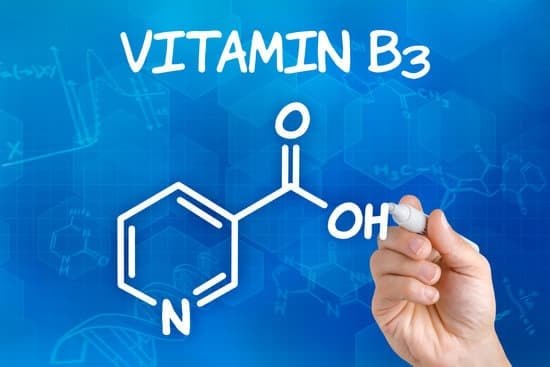
  1. Niacinamide (Vitamin B3) is a water-soluble vitamin essential for energy production, DNA repair, and cellular communication.
  2. Niacinamide plays a critical role in converting carbohydrates, fats, and proteins into usable energy.
  3. Niacinamide supports skin health by reducing inflammation, improving the skin barrier, and addressing hyperpigmentation.
  4. It has potential therapeutic effects on conditions such as acne, rosacea, and certain skin disorders.
  5. Deficiency symptoms include dermatitis, diarrhea, dementia, and in severe cases, pellagra.

Niacinamide Overview

Niacinamide, also known as Vitamin B3 or nicotinamide, is an essential nutrient that plays a key role in energy production and cellular communication. It is naturally present in many foods, added to some food products, and available as a dietary supplement. Niacinamide is crucial for converting carbohydrates, fats, and proteins into energy and is vital for the functioning of the skin, digestive system, and nervous system.

Niacinamide Benefits

  1. Energy Production: Niacinamide is a component of the coenzymes NAD (nicotinamide adenine dinucleotide) and NADP (nicotinamide adenine dinucleotide phosphate), which are essential for metabolic processes that convert food into energy.
  2. Skin Health: Niacinamide supports the maintenance of healthy skin by reducing inflammation, improving the skin barrier function, and reducing hyperpigmentation and fine lines.
  3. DNA Repair: Niacinamide helps repair damaged DNA and supports cellular health, which is crucial for preventing mutations and maintaining healthy cell function.
  4. Anti-inflammatory Properties: Niacinamide has anti-inflammatory properties that can help manage conditions like acne, rosacea, and eczema.
  5. Cognitive Function: Niacinamide supports brain health by maintaining proper neurotransmitter function and protecting against neurodegeneration.

Deficiency Symptoms

Niacinamide deficiency can lead to several health issues, including:

  • Dermatitis: Inflammation of the skin, often characterized by a dark, scaly rash.
  • Diarrhea: Due to impaired digestive health.
  • Dementia: Cognitive impairments, memory loss, and confusion.
  • Pellagra: A severe deficiency leading to dermatitis, diarrhea, and dementia, which can be fatal if untreated.

Food Sources

Niacinamide can be found in a variety of foods, including:

  • Meat: Chicken, turkey, beef, and liver.
  • Fish: Tuna and salmon.
  • Grains: Fortified cereals, whole wheat bread, and brown rice.
  • Legumes: Peanuts, beans, and lentils.
  • Seeds and Nuts: Sunflower seeds and almonds.
  • Vegetables: Green peas, potatoes, and mushrooms.
  • Dairy Products: Milk and cheese.

How Niacinamide Works in the Body

Niacinamide plays a crucial role in body function by supporting energy production, cellular health, and DNA repair.

  1. Energy Production: Niacinamide is involved in the electron transport chain, a series of reactions that generate ATP, the main energy source for cells. This process is essential for maintaining high energy levels in the body.
  2. Cellular Health: Niacinamide supports the production and repair of skin cells, maintaining healthy skin and mucous membranes. It also plays a role in wound healing and tissue repair.
  3. DNA Repair: Niacinamide helps repair damaged DNA and prevents mutations, which is crucial for preventing cancer and other diseases.

How Things Go Bad

We depend on our diet for niacinamide. Very little niacinamide is stored in your body, and depletion can occur quickly.

Niacinamide deficiency can be caused by poor diet, alcoholism, chronic diarrhea, liver disorders, and certain medications that interfere with vitamin absorption.

Types of Niacinamide Supplements

Niacinamide supplements are available in various forms, each with specific benefits and uses:

  1. Niacinamide Capsules/Tablets: These are the most common forms of niacinamide supplements and are used to prevent and treat niacinamide deficiency.
  2. Topical Niacinamide: Used in skincare products for its benefits in reducing inflammation, improving skin barrier function, and treating hyperpigmentation and acne.
  3. Niacinamide Powders: Often used in higher concentrations for custom formulations or for individuals who need precise dosing.

Dosage Recommendations

  1. The recommended daily allowance (RDA) for niacinamide varies based on age, gender, and life stage:
    • Adults: The RDA for adult men is 16 mg/day, while for adult women, it is 14 mg/day.
    • Pregnancy and Lactation: Pregnant women need higher amounts, around 18 mg/day, and lactating women require 17 mg/day.
    • Children: Children require lower amounts, ranging from 2 mg/day for infants to 12 mg/day for older children.
  2. For individuals with niacinamide deficiency or certain medical conditions, higher doses may be necessary under medical supervision. It’s best to consult with a healthcare professional to determine the right dosage for you.

Research Studies on Niacinamide

  1. Acne Treatment: A study published in the Journal of Clinical and Aesthetic Dermatology found that topical niacinamide significantly reduced acne lesions and inflammation, suggesting its potential as a treatment for acne.
  2. Anti-aging Effects: Research published in the British Journal of Dermatology showed that niacinamide improved skin elasticity, enhanced the barrier function, erased discolorations, and revived skin tone and texture.
  3. Rosacea Management: A study in the Journal of Dermatological Treatment demonstrated that niacinamide reduced the severity of rosacea, a chronic skin condition characterized by facial redness and pimples.
  4. Skin Cancer Prevention: Research published in The New England Journal of Medicine found that niacinamide supplementation reduced the incidence of non-melanoma skin cancers in high-risk individuals, highlighting its protective effects against UV radiation.
  5. Cognitive Function: A study in the Journal of Alzheimer’s Disease suggested that niacinamide could help prevent cognitive decline and improve symptoms in patients with Alzheimer’s disease by supporting brain health and function.

Niacinamide Final Thoughts

Niacinamide is a vital nutrient with numerous benefits for energy production, cellular health, and overall well-being. Its roles in ATP production, DNA repair, and maintaining healthy skin and brain function make it essential for optimal health.

Disclaimer

The information provided in this document is for educational purposes only and is not intended as a substitute for professional medical advice, diagnosis, or treatment. Always seek the advice of your physician or other qualified health provider with any questions you may have regarding a medical condition.
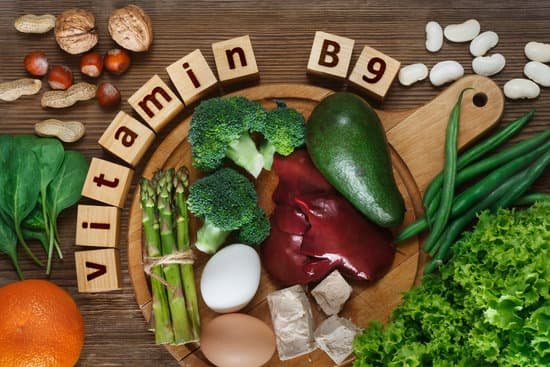
Pyridoxine

Key Takeaways

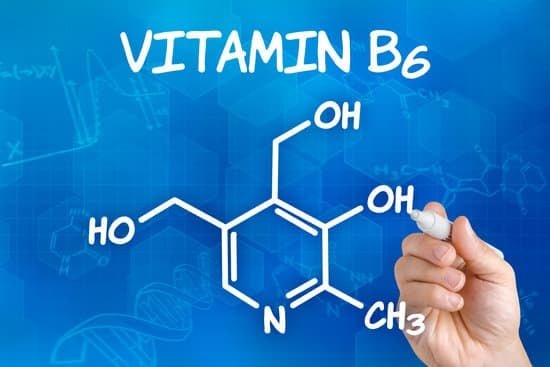
  1. Pyridoxine (Vitamin B6) is a water-soluble vitamin essential for metabolism, neurotransmitter synthesis, and overall cellular function.
  2. Pyridoxine plays a critical role in amino acid metabolism, hemoglobin synthesis, and immune function.
  3. Pyridoxine benefits brain health by supporting neurotransmitter production and cognitive function.
  4. It has potential therapeutic effects on conditions such as anemia, cognitive decline, and PMS.
  5. Deficiency symptoms include anemia, dermatitis, neurological issues, and impaired immune function.

Pyridoxine Overview

Pyridoxine, also known as Vitamin B6, is an essential nutrient that plays a key role in metabolism, neurotransmitter synthesis, and overall cellular function. It is naturally present in many foods, added to some food products, and available as a dietary supplement. Pyridoxine is crucial for amino acid metabolism, hemoglobin synthesis, and immune function, making it essential for energy production and overall health.

Pyridoxine Benefits

  1. Metabolism Support: Pyridoxine is involved in amino acid metabolism, helping convert proteins into usable forms and facilitating energy production.
  2. Neurotransmitter Synthesis: Pyridoxine supports the synthesis of neurotransmitters such as serotonin, dopamine, and GABA, which are essential for mood regulation, cognition, and behavior.
  3. Hemoglobin Synthesis: Pyridoxine is necessary for the synthesis of hemoglobin, the protein in red blood cells that carries oxygen throughout the body.
  4. Immune Function: Pyridoxine plays a role in immune function by supporting the production and activity of immune cells, helping the body defend against infections and diseases.

Deficiency Symptoms

Pyridoxine deficiency can lead to several health issues, including:

  • Anemia: Due to impaired hemoglobin synthesis and red blood cell function.
  • Dermatitis: Skin inflammation and irritation, especially around the mouth, eyes, and hands.
  • Neurological Issues: Such as numbness, tingling, and nerve damage, particularly in the extremities.
  • Impaired Immune Function: Increased susceptibility to infections and reduced immune response.

Food Sources

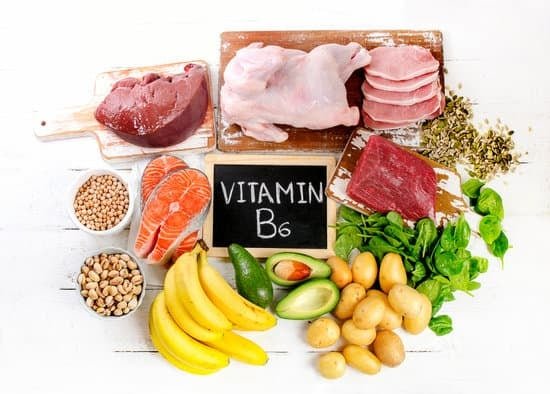
Pyridoxine can be found in a variety of foods, including:

  • Meat: Chicken, turkey, beef, and pork.
  • Fish: Tuna, salmon, and trout.
  • Whole Grains: Brown rice, oatmeal, and whole wheat products.
  • Legumes: Beans, lentils, and peas.
  • Nuts and Seeds: Walnuts, sunflower seeds, and flaxseeds.
  • Vegetables: Spinach, potatoes, and bananas.
  • Fruits: Avocado, prunes, and raisins.

How Pyridoxine Works in the Body

Pyridoxine plays a crucial role in body function by supporting metabolism, neurotransmitter synthesis, and immune function.

  1. Amino Acid Metabolism: Pyridoxine is a cofactor for enzymes involved in amino acid metabolism, helping convert amino acids into proteins and other molecules needed for cell function.
  2. Neurotransmitter Synthesis: Pyridoxine is necessary for the synthesis of neurotransmitters such as serotonin, dopamine, and GABA, which are essential for mood, cognition, and behavior.
  3. Hemoglobin Synthesis: Pyridoxine supports the production of hemoglobin, the protein in red blood cells that carries oxygen throughout the body, ensuring adequate oxygen supply to tissues and organs.
  4. Immune Function: Pyridoxine plays a role in immune function by supporting the production and activity of immune cells, helping the body defend against infections and diseases.

How Things Go Bad

We depend on our diet for pyridoxine. Very little pyridoxine is stored in your body, and depletion can occur over time.

Pyridoxine deficiency can be caused by poor diet, malabsorption syndromes, certain medications, and chronic alcohol consumption.

Types of Pyridoxine Supplements

Pyridoxine supplements are available in various forms, each with specific benefits and uses:

  1. Pyridoxine Hydrochloride: This is the most common form of pyridoxine supplement. It is water-soluble and easily absorbed by the body. It is often used to treat and prevent pyridoxine deficiency.
  2. Pyridoxal-5-Phosphate (P5P): A more bioavailable form of pyridoxine, P5P is the active coenzyme form and is involved in various metabolic processes. It is particularly effective for individuals with impaired pyridoxine metabolism or absorption.
  3. Combination Supplements: Pyridoxine is often included in B-complex supplements, which contain a combination of B vitamins that work synergistically to support overall health and well-being.

Dosage Recommendations

  1. The recommended daily allowance (RDA) for pyridoxine varies based on age, gender, and life stage:
    • Adults: The RDA for adult men and women is 1.3 mg/day.
    • Pregnancy and Lactation: Pregnant women need higher amounts, around 1.9 mg/day, and lactating women require 2.0 mg/day.
    • Children: Children require lower amounts, ranging from 0.1 mg/day for infants to 1.1 mg/day for older children.
  2. For individuals with pyridoxine deficiency or certain medical conditions, higher doses may be necessary under medical supervision. It’s best to consult with a healthcare professional to determine the right dosage for you.

Research Studies on Pyridoxine

  1. Anemia Treatment: A study published in the American Journal of Clinical Nutrition found that pyridoxine supplementation effectively improved hemoglobin levels and reduced symptoms of anemia in individuals with pyridoxine deficiency.
  2. Cognitive Enhancement: Research in the Journal of Nutrition, Health & Aging suggested that pyridoxine supplementation improved cognitive function and memory in older adults, highlighting its potential role in preventing age-related cognitive decline.
  3. PMS Relief: A study in Cochrane Database of Systematic Reviews showed that pyridoxine supplementation reduced symptoms of premenstrual syndrome (PMS), such as mood swings and bloating, in women with PMS.
  4. Neurological Disorders: Research in Neurology indicated that pyridoxine supplementation could benefit individuals with certain neurological disorders, such as epilepsy and autism, by supporting neurotransmitter function and reducing symptoms.
  5. Immune Support: A study in Journal of Immunology demonstrated that pyridoxine plays a role in immune function by enhancing the activity of immune cells, suggesting its potential in supporting immune health.

Pyridoxine Final Thoughts

Pyridoxine is a vital nutrient with numerous benefits for metabolism, neurotransmitter synthesis, and overall health. Its roles in amino acid metabolism, hemoglobin synthesis, and immune function make it essential for energy production and maintaining optimal health.

Disclaimer

The information provided in this article is for educational purposes only and is not intended as a substitute for professional medical advice, diagnosis, or treatment. Always seek the advice of your physician or other qualified health provider with any questions you may have regarding a medical condition.
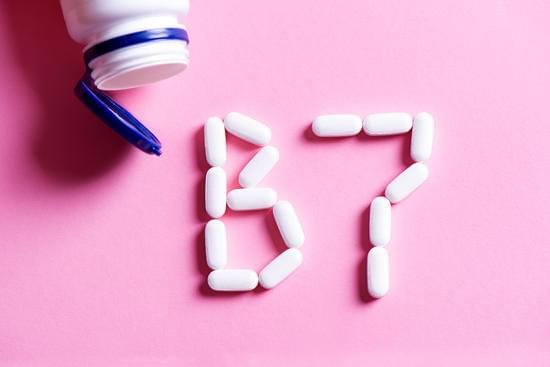
Biotin

Key Takeaways

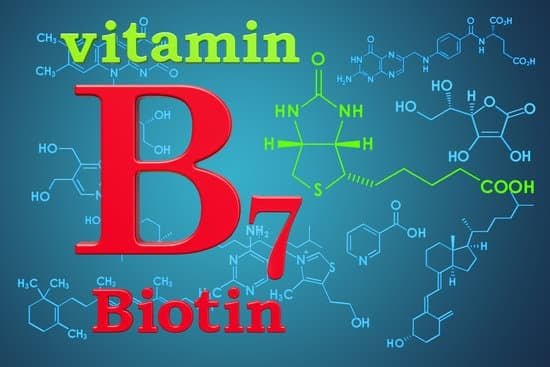
  1. Biotin, also known as Vitamin B7 or Vitamin H, is a water-soluble vitamin essential for metabolism, skin health, and overall cellular function.
  2. Biotin plays a critical role in energy production, fatty acid synthesis, and maintaining healthy hair, skin, and nails.
  3. Biotin benefits skin health by supporting cell growth and regeneration, helping to maintain a clear complexion.
  4. It has potential therapeutic effects on conditions such as hair loss, brittle nails, and skin disorders.
  5. Deficiency symptoms include hair loss, dry skin, brittle nails, fatigue, and neurological issues.

Biotin Overview

Biotin is an essential nutrient that plays a key role in metabolism, skin health, and overall cellular function. It is naturally present in many foods, added to some food products, and available as a dietary supplement. Biotin is crucial for energy production, fatty acid synthesis, and maintaining healthy hair, skin, and nails, making it essential for overall vitality.

Biotin Benefits

  1. Energy Production: Biotin is involved in the metabolism of carbohydrates, fats, and proteins, helping convert these nutrients into energy for the body.
  2. Skin Health: Biotin supports cell growth and regeneration in the skin, contributing to a clear complexion and overall skin health.
  3. Hair and Nail Health: Biotin plays a role in maintaining strong and healthy hair and nails, reducing the risk of brittleness, breakage, and hair loss.
  4. Metabolic Support: Biotin supports metabolic processes such as fatty acid synthesis, which is important for cell function and overall health.

Deficiency Symptoms

Biotin deficiency can lead to several health issues, including:

  • Hair Loss: Thinning hair, hair loss, and reduced hair quality.
  • Dry Skin: Skin dryness, itchiness, and irritation.
  • Brittle Nails: Weak, brittle nails that are prone to breaking and splitting.
  • Fatigue: Reduced energy levels and overall fatigue.
  • Neurological Issues: Rare cases may include neurological symptoms such as numbness, tingling, and cognitive issues.

Food Sources

Biotin can be found in a variety of foods, including:

  • Egg Yolks: One of the richest sources of biotin.
  • Meat: Liver, kidney, and other organ meats.
  • Fish: Salmon, sardines, and trout.
  • Nuts and Seeds: Almonds, peanuts, and sunflower seeds.
  • Vegetables: Sweet potatoes, spinach, and broccoli.
  • Fruits: Avocado, berries, and bananas.
  • Whole Grains: Oats, barley, and wheat germ.
  • Dairy Products: Cheese, milk, and yogurt.

How Biotin Works in the Body

Biotin plays a crucial role in body function by supporting metabolism, cell growth, and overall health.

  1. Energy Production: Biotin is involved in the breakdown of carbohydrates, fats, and proteins into energy, supporting overall vitality.
  2. Fatty Acid Synthesis: Biotin is necessary for the synthesis of fatty acids, which are important for cell membranes, hormone production, and overall cell function.
  3. Skin Health: Biotin supports cell growth and regeneration in the skin, helping maintain a clear complexion and healthy skin.
  4. Hair and Nail Health: Biotin contributes to the strength and integrity of hair and nails, reducing brittleness and breakage.

How Things Go Bad

Biotin deficiency can occur due to poor diet, certain medical conditions, and genetic factors. Factors that may contribute to biotin deficiency include:

  • Poor Nutrition: Not consuming enough biotin-rich foods in the diet.
  • Gut Disorders: Certain gut disorders can impair biotin absorption, leading to deficiency.
  • Medications: Some medications may interfere with biotin absorption or metabolism.
  • Genetic Factors: Rare genetic conditions can affect biotin metabolism and utilization in the body.

Types of Biotin Supplements

Biotin supplements are available in various forms, including:

  1. Biotin Capsules or Tablets: These are the most common forms of biotin supplements, taken orally for overall health and wellness.
  2. Biotin Fortified Foods: Some foods, such as breakfast cereals and energy bars, are fortified with biotin for added nutritional value.
  3. Biotin Hair and Nail Supplements: Specific supplements targeting hair and nail health often contain biotin along with other nutrients for enhanced benefits.

Dosage Recommendations

  1. The recommended daily allowance (RDA) for biotin varies based on age, gender, and life stage:
    • Adults: The RDA for adult men and women is 30 mcg/day.
    • Pregnancy and Lactation: Pregnant and breastfeeding women may require higher amounts, around 35-40 mcg/day.
    • Children: Children require lower amounts, ranging from 5-25 mcg/day depending on age.
  2. For individuals with specific health concerns or seeking hair and nail benefits, higher doses of biotin may be recommended. It’s important to consult with a healthcare professional before starting any new supplement regimen.

Research Studies on Biotin

  1. Hair and Nail Health: A study published in the Journal of Clinical and Aesthetic Dermatology demonstrated that biotin supplementation improved hair and nail health, reducing brittleness and breakage.
  2. Skin Conditions: Research in Dermatology and Therapy suggested that biotin supplementation could benefit certain skin conditions, such as acne and dermatitis, by supporting skin health and regeneration.
  3. Metabolic Support: A study in Nutrients indicated that biotin plays a role in metabolic processes, supporting energy production and overall metabolic health.
  4. Pregnancy Support: Research in Nutrients showed that adequate biotin intake during pregnancy is important for fetal development and overall maternal health.

Biotin Final Thoughts

Biotin is a vital nutrient with numerous benefits for metabolism, skin health, and overall wellness. Its roles in energy production, cell growth, and hair/nail health make it essential for maintaining vitality and supporting various body functions.

Disclaimer

The information provided in this document is for educational purposes only and is not intended as a substitute for professional medical advice, diagnosis, or treatment. Always seek the advice of your physician or other qualified health provider with any questions you may have regarding a medical condition.
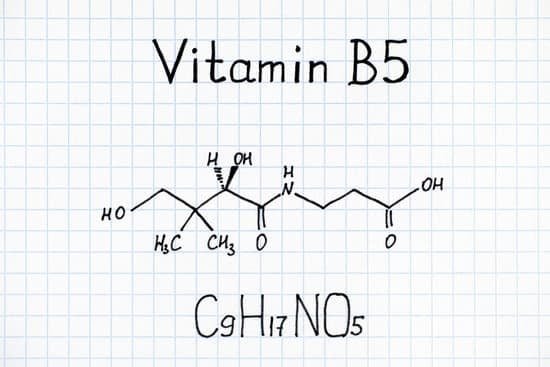
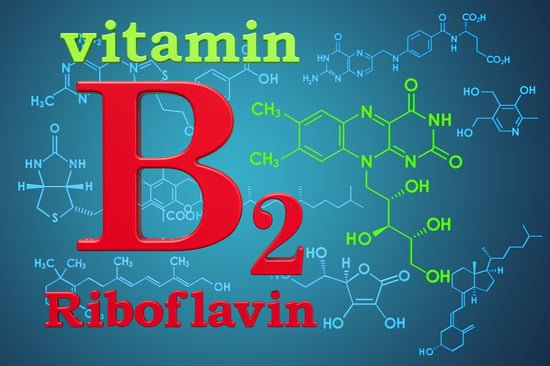
Riboflavin

Key Takeaways
Riboflavin (Vitamin B2) is a water-soluble vitamin essential for energy production, cellular function, and metabolism of fats, drugs, and steroids.
Riboflavin plays a critical role in the conversion of carbohydrates into ATP, the energy currency of the cell.
Riboflavin supports skin health, vision, and red blood cell production.
It has potential therapeutic effects on conditions such as migraines, cataracts, and certain metabolic disorders.
Deficiency symptoms include sore throat, redness and swelling of the lining of the mouth and throat, cracks or sores on the outsides of the lips (cheilosis) and at the corners of the mouth (angular stomatitis), and a swollen, magenta-colored tongue (magenta tongue).
Riboflavin Overview
Riboflavin, also known as Vitamin B2, is an essential nutrient that plays a key role in energy production and cellular function. It is naturally present in many foods, added to some food products, and available as a dietary supplement. Riboflavin is crucial for converting carbohydrates into ATP and is vital for the functioning of the skin, eyes, and red blood cells.

Riboflavin Benefits
Energy Production: Riboflavin is a key component of the coenzymes FAD (flavin adenine dinucleotide) and FMN (flavin mononucleotide), which are essential for the production of ATP from carbohydrates, fats, and proteins.
Skin Health: Riboflavin supports the maintenance of healthy skin by promoting cell turnover and repair. It also helps to prevent acne and dermatitis.
Vision: Riboflavin is important for maintaining healthy eyes and preventing cataracts. It helps protect the eye cells from oxidative damage caused by free radicals.
Red Blood Cell Production: Riboflavin is necessary for the production and maintenance of red blood cells, which are essential for oxygen transport throughout the body.
Antioxidant Function: Riboflavin contributes to the body’s antioxidant defense system by regenerating glutathione, a powerful antioxidant that protects cells from oxidative stress.
Deficiency Symptoms
Riboflavin deficiency can lead to several health issues, including:

Sore Throat and Swelling: Due to impaired cellular function and repair.
Cheilosis: Cracks or sores on the outsides of the lips.
Angular Stomatitis: Cracks or sores at the corners of the mouth.
Magenta Tongue: Swelling and discoloration of the tongue.
Dermatitis: Inflammation of the skin, particularly around the nose and mouth.
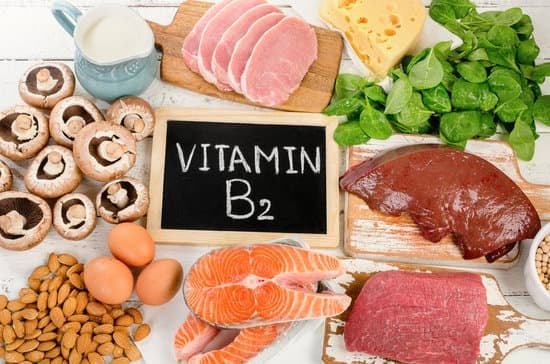
Food Sources
Riboflavin can be found in a variety of foods, including:

Dairy Products: Milk, cheese, and yogurt.
Meat: Lean meats, liver, and other organ meats.
Fish: Salmon and trout.
Eggs: Particularly the yolk.
Green Vegetables: Spinach, broccoli, and asparagus.
Grains: Fortified cereals and whole grains.
Nuts and Seeds: Almonds and sunflower seeds.
How Riboflavin Works in the Body
Riboflavin plays a crucial role in body function by supporting energy production, cellular health, and antioxidant defense.

Energy Production: Riboflavin is involved in the electron transport chain, a series of reactions that generate ATP, the main energy source for cells. This process is essential for maintaining high energy levels in the body.
Cellular Health: Riboflavin supports the production and repair of skin cells, maintaining healthy skin and mucous membranes. It also plays a role in wound healing and tissue repair.
Antioxidant Defense: Riboflavin helps regenerate glutathione, an important antioxidant that protects cells from damage by free radicals. This is crucial for preventing oxidative stress and maintaining overall health.
How Things Go Bad
We depend on our diet for riboflavin. Very little riboflavin is stored in your body, and depletion can occur quickly.

Riboflavin deficiency can be caused by poor diet, alcoholism, chronic diarrhea, liver disorders, and certain medications that interfere with vitamin absorption.

Types of Riboflavin Supplements
Riboflavin supplements are available in various forms, each with specific benefits and uses:

Riboflavin-5-Phosphate: This is the active form of riboflavin and is more readily absorbed by the body. It is often used in supplements for individuals with impaired absorption or metabolic disorders.
Riboflavin Mononucleotide: Another form that is used in supplements, particularly for individuals with specific health conditions requiring higher riboflavin intake.
Riboflavin Tablets/Capsules: These are the most common forms of riboflavin supplements and are used to prevent and treat riboflavin deficiency.
Dosage Recommendations
The recommended daily allowance (RDA) for riboflavin varies based on age, gender, and life stage:

Adults: The RDA for adult men is 1.3 mg/day, while for adult women, it is 1.1 mg/day.
Pregnancy and Lactation: Pregnant women need higher amounts, around 1.4 mg/day, and lactating women require 1.6 mg/day.
Children: Children require lower amounts, ranging from 0.3 mg/day for infants to 0.9 mg/day for older children.
For individuals with riboflavin deficiency or certain medical conditions, higher doses may be necessary under medical supervision. It’s best to consult with a healthcare professional to determine the right dosage for you.

Research Studies on Riboflavin
Migraine Prevention: A study published in the European Journal of Neurology found that riboflavin supplementation reduced the frequency and severity of migraines in patients, suggesting its potential as a preventive treatment for migraines.
Cataract Prevention: Research published in the American Journal of Clinical Nutrition showed that higher dietary intake of riboflavin was associated with a reduced risk of age-related cataracts, highlighting its importance in eye health.
Metabolic Disorders: A study in Molecular Genetics and Metabolism demonstrated that riboflavin supplementation improved symptoms in patients with multiple acyl-CoA dehydrogenase deficiency (MADD), a genetic disorder affecting metabolism.
Anemia Treatment: Research published in Blood found that riboflavin supplementation improved hemoglobin levels and overall anemia symptoms in patients with riboflavin-responsive anemia, indicating its therapeutic potential for this condition.
Skin Health: A study in Dermatology found that riboflavin supplementation improved symptoms of seborrheic dermatitis, a common skin condition, by supporting skin cell health and reducing inflammation.
Riboflavin Final Thoughts
Riboflavin is a vital nutrient with numerous benefits for energy production, cellular function, and overall health. Its roles in ATP production, antioxidant defense, and maintaining healthy skin and vision make it essential for overall well-being.

Disclaimer
The information provided in this video is for educational purposes only and is not intended as a substitute for professional medical advice, diagnosis, or treatment. Always seek the advice of your physician or other qualified health provider with any questions you may have regarding a medical condition. Never disregard professional medical advice or delay in seeking it because of something you have read or heard in this video. The statements made in this video have not been evaluated by the Food and Drug Administration and are not intended to diagnose, treat, cure, or prevent any disease.

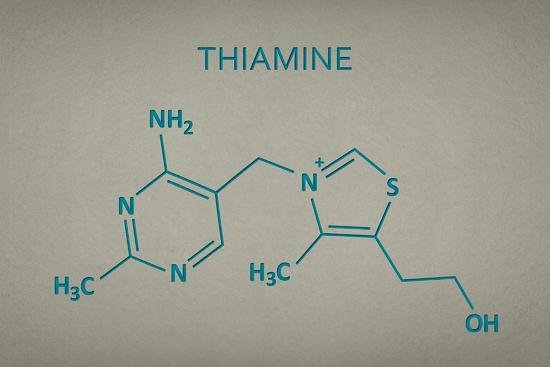
Thiamine

Key Takeaways

  1. Thiamine (Vitamin B1) is a water-soluble vitamin essential for energy metabolism, nerve function, and overall cellular function.
  2. Thiamine plays a critical role in carbohydrate metabolism, facilitating the conversion of glucose into energy.
  3. Thiamine benefits brain health by supporting neurotransmitter synthesis and protecting nerve cells.
  4. It has potential therapeutic effects on conditions such as beriberi, Wernicke-Korsakoff syndrome, and diabetic neuropathy.
  5. Deficiency symptoms include fatigue, irritability, reduced reflexes, nerve damage, and muscle weakness.

Thiamine Overview

Thiamine, also known as Vitamin B1, is an essential nutrient that plays a key role in energy metabolism and nerve function. It is naturally present in many foods, added to some food products, and available as a dietary supplement. Thiamine is crucial for converting carbohydrates into energy and is vital for the functioning of the heart, muscles, and nervous system.

Thiamine Benefits

  1. Energy Metabolism: Thiamine is a cofactor for enzymes involved in carbohydrate metabolism, which helps convert glucose into energy. This process is essential for maintaining energy levels and overall vitality.
  2. Nerve Function: Thiamine is essential for the proper functioning of the nervous system, supporting the synthesis of neurotransmitters and myelin. This helps in maintaining healthy nerve cells and efficient signal transmission.
  3. Cognitive Function: Thiamine contributes to brain health by supporting memory, attention, and cognitive processes. Adequate thiamine levels are associated with improved mental clarity and cognitive performance.
  4. Cardiovascular Health: Thiamine helps maintain heart health by supporting energy production in heart cells and protecting against oxidative stress. This is vital for ensuring the heart functions effectively and efficiently.
  5. Muscle Function: Thiamine supports muscle function by facilitating energy production in muscle cells. This helps in maintaining muscle strength and endurance.

Deficiency Symptoms

Thiamine deficiency can lead to several health issues, including:

  1. Fatigue and Weakness: Due to impaired energy metabolism.
  2. Nerve Damage: Resulting in tingling and numbness in the hands and feet.
  3. Beriberi: Characterized by muscle weakness, cardiovascular issues, and nerve damage.
  4. Wernicke-Korsakoff Syndrome: A serious brain disorder often associated with chronic alcohol consumption.
  5. Cognitive Impairments: Including memory loss and confusion.

Food Sources

Thiamine can be found in a variety of foods, including:

  1. Whole Grains: Brown rice, oatmeal, and whole wheat bread.
  2. Meat: Pork, liver, and other organ meats.
  3. Fish: Tuna and trout.
  4. Legumes: Beans, lentils, and peas.
  5. Nuts and Seeds: Sunflower seeds and macadamia nuts.
  6. Vegetables: Spinach, kale, and asparagus.
  7. Fortified Foods: Breakfast cereals and grain products.

How Thiamine Works in the Brain

Thiamine plays a crucial role in brain function by supporting energy production, neurotransmitter synthesis, and nerve cell protection.

  1. Energy Production: Thiamine is a coenzyme for pyruvate dehydrogenase and alpha-ketoglutarate dehydrogenase, which are critical for glucose metabolism and ATP production. This is essential for maintaining high levels of energy in brain cells.
  2. Neurotransmitter Synthesis: Thiamine is involved in the synthesis of acetylcholine and gamma-aminobutyric acid (GABA), which are essential for cognitive function and mood regulation. These neurotransmitters play a key role in memory, learning, and emotional balance.
  3. Nerve Cell Protection: Thiamine has neuroprotective properties that help protect nerve cells from oxidative stress and excitotoxicity. This is crucial for preventing neurodegenerative diseases and maintaining overall brain health.

How Things Go Bad

We depend on our diet for thiamine. Very little thiamine is stored in your body, and depletion can occur within 14 days.

Thiamine deficiency can be caused by alcoholism, Alzheimer’s Disease, anemia, athletes who reduce food intake, cancer, clogged arteries, Crohn’s disease, diabetes, diarrhea, gastric bypass surgery, and kidney disease. Even a poor diet can contribute to deficiency.

Several foods are also considered “anti-thiamine factors” (ATF) and contribute to the risk of thiamine deficiency in otherwise healthy people. Certain plants contain ATF, which react with thiamine to form an oxidized, inactive product.

Consuming large amounts of tea and coffee (including decaffeinated), as well as chewing tea leaves and betel nuts, have been associated with thiamine depletion in humans.

ATF include mycotoxins (molds) that break thiamine down in the blood. If you eat certain raw, fresh-water fish, raw shellfish, and ferns, you are at a greater risk of thiamine deficiency. Thiamine is also inactivated by cooking food.

Thiamine is a cofactor of several enzymes, including transketolase, pyruvate dehydrogenase, and alpha-ketoglutarate dehydrogenase. Thiamine deficiency decreases cerebral glucose utilization, which results in mitochondrial damage.

Scientists have observed through electron microscopy disintegrating mitochondria, chromatin clumping, and swelling of degenerating neurons.

  • Low thiamine levels can slow the creation of ATP.
  • Energy levels drop.
  • Low thiamine levels can cause problems with memory, learning, recall, and perception.
  • Acetylcholine levels decline.
  • Blood pressure drops, reflexes decline, and calf muscles get tender.
  • Heart muscles enlarge.
  • Severe thiamine deficiency can result in psychosis.

Thiamine supplementation can help nearly every active adult, as well as students looking to do better in school, by boosting acetylcholine, glutamate, and GABA in the brain. Thiamine provides increased brain energy by contributing to the synthesis of ATP and building myelin sheaths that protect axons needed for brain cell signaling.

Types of Thiamine Supplements

Thiamine supplements are available in various forms, each with specific benefits and uses:

  1. Thiamine Hydrochloride: This is the most common form of thiamine supplement. It is water-soluble and easily absorbed by the body. It is often used to treat and prevent thiamine deficiency.
  2. Thiamine Mononitrate: Another widely used form, thiamine mononitrate is stable and has a longer shelf life than thiamine hydrochloride. It is often used in food fortification and dietary supplements.
  3. Benfotiamine: A fat-soluble derivative of thiamine, benfotiamine has better absorption and bioavailability compared to water-soluble forms. It is particularly effective in managing diabetic complications and neuropathy.
  4. Sulbutiamine: This synthetic derivative of thiamine is fat-soluble and can cross the blood-brain barrier more effectively than other forms. It is often used to enhance cognitive function and combat fatigue.
  5. Thiamine Pyrophosphate (TPP): Also known as cocarboxylase, this active form of thiamine is used in certain medical conditions requiring immediate replenishment of thiamine stores, such as in severe deficiency states.

Dosage Recommendations

The recommended daily allowance (RDA) for thiamine varies based on age, gender, and life stage:

  1. Adults: The RDA for adult men is 1.2 mg/day, while for adult women, it is 1.1 mg/day.
  2. Pregnancy and Lactation: Pregnant and breastfeeding women need higher amounts, around 1.4 mg/day.
  3. Children: Children require lower amounts, ranging from 0.5 mg/day for infants to 1.0 mg/day for older children.

For individuals with thiamine deficiency or certain medical conditions, higher doses may be necessary under medical supervision. It’s best to consult with a healthcare professional to determine the right dosage for you.

Research Studies on Thiamine

  1. Beriberi Treatment: A study published in the Journal of the American College of Nutrition found that thiamine supplementation effectively treated beriberi, a disease caused by thiamine deficiency, by restoring proper nerve and muscle function. The study highlighted the importance of thiamine in maintaining cardiovascular and nervous system health.
  2. Wernicke-Korsakoff Syndrome: Research published in the New England Journal of Medicine showed that high-dose thiamine administration improved symptoms of Wernicke-Korsakoff syndrome, a neurodegenerative disorder associated with chronic alcoholism. The findings suggest that thiamine is critical for brain function and can prevent severe cognitive decline in at-risk populations.
  3. Diabetic Neuropathy: A study in Diabetes Care demonstrated that thiamine supplementation reduced symptoms of diabetic neuropathy, such as pain and numbness, by supporting nerve health and function. This study suggests thiamine’s potential as a therapeutic agent for managing diabetes-related complications.
  4. Cognitive Enhancement: Research published in the Journal of Neurochemistry showed that thiamine supplementation improved cognitive function and memory in individuals with mild cognitive impairment by supporting neurotransmitter synthesis. This indicates that thiamine can play a role in preventing or delaying the onset of neurodegenerative diseases.
  5. Cardiovascular Health: A study in Clinical Research in Cardiology found that thiamine supplementation improved cardiac function and reduced symptoms of heart failure in patients with chronic heart failure.