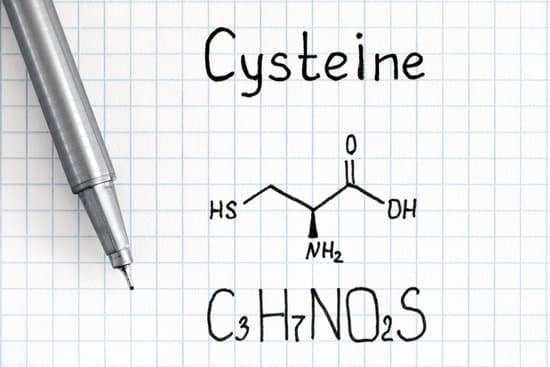
N-Aetyl-Cysteine (NAC)

Key Takeaways

  1. N-Acetylcysteine (NAC): A compound derived from the amino acid cysteine, known for its antioxidant and detoxification properties.
  2. Health Support: Supports liver health, respiratory function, and may benefit mental health conditions like depression and OCD.
  3. Glutathione Precursor: Acts as a precursor to glutathione, a powerful antioxidant that neutralizes free radicals and supports immune function.
  4. Dietary Sources: Good dietary sources of cysteine, the precursor to NAC, include poultry, eggs, yogurt, and legumes.

N-Acetylcysteine (NAC) Overview

N-Acetylcysteine (NAC) is a compound derived from the amino acid cysteine. It is valued for its antioxidant properties and ability to support various aspects of health.

NAC Benefits

  1. Antioxidant Support: NAC acts as a precursor to glutathione, a potent antioxidant that neutralizes free radicals and protects cells from oxidative damage.
  2. Liver Health: Supports liver function by aiding in detoxification processes and promoting the production of glutathione, crucial for liver health.
  3. Respiratory Function: NAC has mucolytic properties, helping to break down mucus and improve respiratory conditions like chronic bronchitis and COPD.
  4. Mental Health: Studies suggest NAC may benefit mental health conditions such as depression, OCD (Obsessive-Compulsive Disorder), and addiction by modulating neurotransmitter levels and reducing oxidative stress.
  5. Immune Support: By supporting glutathione production, NAC helps bolster immune function and may enhance the body’s ability to fight infections and illnesses.

NAC Deficiency Symptoms

While NAC deficiency specifically is uncommon, inadequate intake of cysteine, its precursor, can lead to:

  1. Reduced Antioxidant Defense: Insufficient cysteine levels may compromise the body’s ability to produce glutathione, leading to increased oxidative stress and cellular damage.
  2. Respiratory Issues: Since NAC plays a role in respiratory health, low cysteine levels may contribute to respiratory conditions like mucus buildup and airway inflammation.
  3. Liver Dysfunction: Cysteine deficiency can impact liver function, affecting detoxification processes and antioxidant defenses.

How NAC Works in the Body

NAC exerts its beneficial effects through several mechanisms:

  1. Glutathione Synthesis: Serves as a precursor to glutathione, enhancing the body’s antioxidant capacity and supporting detoxification processes.
  2. Mucolytic Action: NAC’s mucolytic properties help break down thick mucus in the respiratory tract, improving breathing and reducing congestion.
  3. Neurotransmitter Modulation: NAC may influence neurotransmitter levels, particularly dopamine and glutamate, contributing to its potential benefits for mental health.
  4. Anti-inflammatory Effects: It has anti-inflammatory properties, which may help alleviate symptoms of inflammatory conditions and support overall immune function.

NAC Food Sources

While NAC itself is not abundant in food, its precursor cysteine is found in various dietary sources, including:

  1. Poultry: Chicken and turkey are rich in cysteine, providing a basis for NAC synthesis in the body.
  2. Eggs: Egg whites contain cysteine, making them a good source of this amino acid.
  3. Dairy Products: Yogurt and cheese contain cysteine and other amino acids necessary for overall health.
  4. Legumes: Beans, lentils, and soy products are plant-based sources of cysteine and protein.

How Things Go Bad

Factors that can impact NAC levels or function include:

  1. Poor Diet: Inadequate intake of cysteine-rich foods can lead to suboptimal NAC synthesis and reduced antioxidant defense.
  2. Environmental Toxins: Exposure to pollutants, heavy metals, and toxins can increase oxidative stress and deplete NAC reserves.
  3. Chronic Illness: Certain medical conditions may affect NAC metabolism and utilization, requiring additional support through supplementation.
  4. Aging: Age-related changes in metabolic processes and antioxidant capacity may influence NAC levels and effectiveness.

NAC Supplements

NAC supplements are available and commonly used to support liver health, respiratory function, and antioxidant defense. However, it’s essential to consult with a healthcare provider before starting any new supplement regimen, especially if you have underlying health conditions or are taking medications.

Dosage Recommendations

The recommended dosage of NAC varies based on individual health needs and goals. Typical doses range from 600 mg to 1200 mg per day for general health support. Higher doses may be used for specific therapeutic purposes, under medical supervision.

Research Studies on NAC

Research on NAC has explored its potential benefits in various areas, including:

  1. Liver Support: Studies suggest NAC supplementation may improve liver function and protect against liver damage caused by toxins or medications.
  2. Respiratory Health: NAC has been used to treat respiratory conditions like chronic bronchitis, COPD, and cystic fibrosis, with positive outcomes in reducing mucus buildup and improving breathing.
  3. Mental Health: NAC shows promise in managing mental health conditions such as depression, OCD, and addiction by modulating neurotransmitter levels and reducing oxidative stress.
  4. Detoxification: Due to its role in glutathione production, NAC supports detoxification processes and helps eliminate toxins from the body.

NAC Final Thoughts

N-Acetylcysteine (NAC) is a valuable compound with antioxidant, detoxification, and health-supporting properties. Whether obtained through diet or supplementation, NAC can contribute to overall well-being, liver health, respiratory function, and mental wellness.

Disclaimer

The information provided in this article is for educational purposes only and is not intended as a substitute for professional medical advice, diagnosis, or treatment. Always seek the advice of your physician or other qualified health provider with any questions you may have regarding a medical condition.
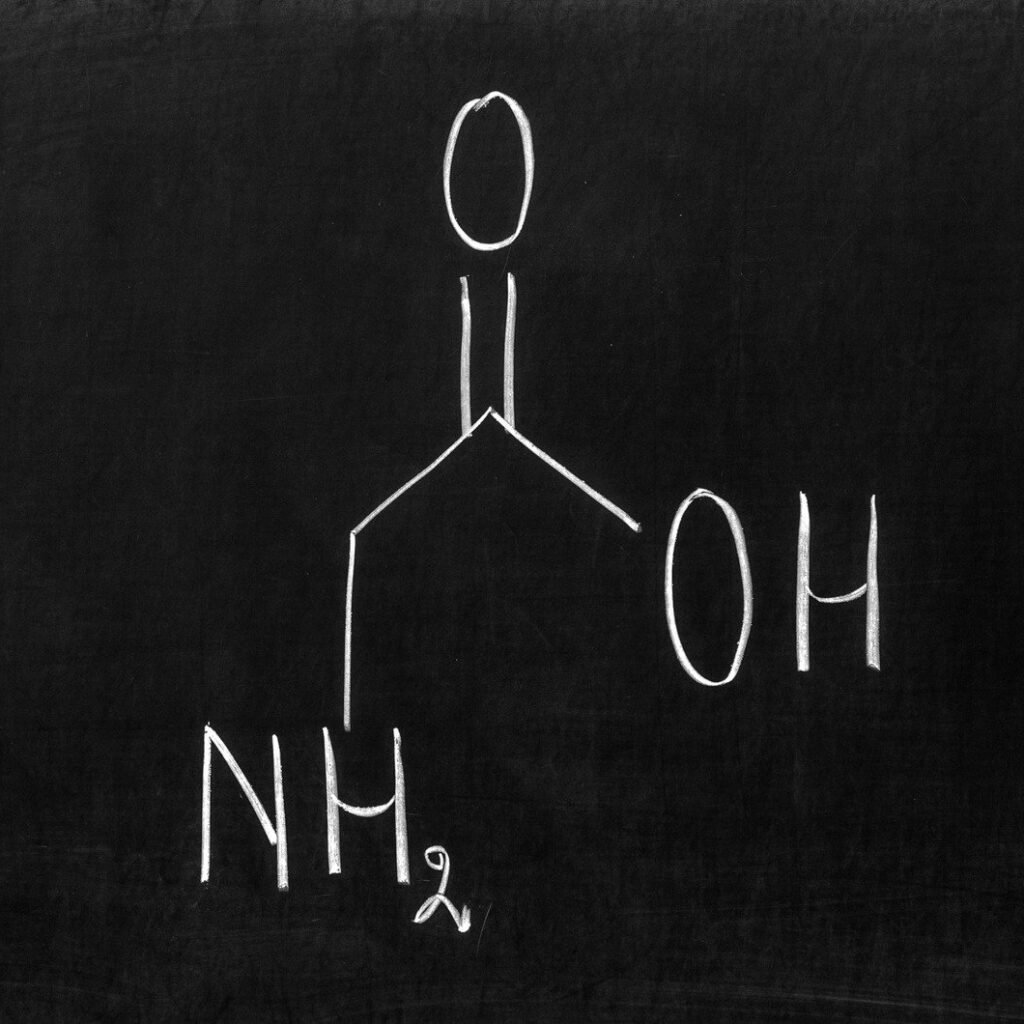
Glycine

Key Takeaways

  1. Glycine: A non-essential amino acid with crucial roles in protein synthesis, neurotransmission, and overall metabolic function.
  2. Functions: Supports collagen production, which is essential for skin, joint, and connective tissue health.
  3. Neurotransmitter: Acts as an inhibitory neurotransmitter in the central nervous system, promoting relaxation and sleep.
  4. Anti-Inflammatory: Has anti-inflammatory properties and may benefit conditions like arthritis and inflammation-related disorders.
  5. Sources: Good dietary sources include meat, fish, dairy products, and legumes.

Glycine Overview

Glycine is a non-essential amino acid, meaning the body can produce it internally. However, dietary sources of glycine contribute significantly to overall health and well-being.

Glycine Benefits

  1. Protein Synthesis: Glycine is a building block for proteins, playing a crucial role in muscle growth, repair, and overall metabolic function.
  2. Collagen Production: Supports collagen synthesis, which is vital for skin elasticity, joint health, and connective tissue integrity.
  3. Neurotransmission: Acts as an inhibitory neurotransmitter in the central nervous system, promoting relaxation, calmness, and improved sleep quality.
  4. Anti-Inflammatory: Has anti-inflammatory properties and may help reduce inflammation in conditions like arthritis and inflammatory disorders.
  5. Detoxification: Involved in the synthesis of glutathione, a potent antioxidant that supports detoxification and protects against oxidative stress.

Glycine Deficiency Symptoms

While glycine deficiency is rare due to its endogenous production, inadequate intake or absorption may lead to:

  1. Poor Wound Healing: Crucial for collagen formation, and deficiency may impair wound healing and tissue repair.
  2. Muscle Weakness: Insufficient levels can affect muscle function and contribute to weakness or fatigue.
  3. Mood Disorders: Glycine’s role as a neurotransmitter may impact mood regulation, with low levels potentially contributing to mood disorders.
  4. Skin and Joint Issues: Reduced collagen synthesis due to glycine deficiency can lead to skin problems, joint pain, and compromised connective tissue health.

How Glycine Works in the Body

Glycine functions in various physiological processes:

  1. Protein Synthesis: Incorporated into proteins during synthesis, contributing to muscle growth, repair, and overall tissue maintenance.
  2. Neurotransmission: Acts as an inhibitory neurotransmitter in the central nervous system, balancing excitatory signals and promoting relaxation.
  3. Collagen Formation: A key component of collagen, supporting skin elasticity, joint health, and connective tissue integrity.
  4. Antioxidant Defense: Participates in the synthesis of glutathione, a powerful antioxidant that helps neutralize free radicals and protect cells from oxidative damage.

Glycine Food Sources

Dietary sources rich in glycine include:

  1. Meat: Chicken, turkey, beef, and pork are excellent sources of glycine.
  2. Fish: Seafood like salmon, tuna, and shrimp provide glycine along with essential nutrients.
  3. Dairy Products: Milk, yogurt, and cheese contain glycine and other amino acids essential for health.
  4. Legumes: Beans, lentils, and soy products are plant-based sources of glycine.
  5. Gelatin: Collagen-rich foods like gelatin and bone broth are rich sources of glycine.

How Things Go Bad

Factors that can affect glycine levels or function include:

  1. Poor Diet: Inadequate intake of protein-rich foods containing glycine can lead to suboptimal levels.
  2. Gut Health: Digestive issues or malabsorption may affect the absorption of glycine and other nutrients.
  3. Chronic Stress: Prolonged stress can deplete glycine levels, impacting neurotransmitter balance and stress response.
  4. Aging: Aging may affect glycine synthesis and utilization, potentially contributing to age-related health issues.

Glycine Supplements

Glycine supplements are available and may be used for specific health purposes, such as improving sleep quality or supporting collagen production. However, it’s essential to consult with a healthcare provider before starting any new supplement regimen.

Dosage Recommendations

The recommended dosage of glycine varies depending on individual health needs and goals. Typical doses range from 3 to 5 grams per day for general health support. Higher doses may be used for specific therapeutic purposes, under medical supervision.

Research Studies on Glycine

Research on glycine has explored its potential benefits in various areas, including:

  1. Sleep Quality: Studies suggest that glycine supplementation may improve sleep quality, reduce insomnia symptoms, and promote relaxation.
  2. Joint Health: Glycine’s role in collagen synthesis has implications for joint health, potentially benefiting conditions like osteoarthritis.
  3. Mood Regulation: Some research indicates that glycine may have mood-stabilizing effects and could be beneficial for anxiety and stress management.
  4. Metabolic Health: Glycine may play a role in metabolic regulation, insulin sensitivity, and blood sugar management, with potential implications for diabetes prevention and management.

Glycine Final Thoughts

Glycine is a versatile amino acid with diverse roles in protein synthesis, neurotransmission, collagen formation, and antioxidant defense. Including glycine-rich foods in your diet or considering supplementation may support overall health, sleep quality, mood balance, and joint function.

Disclaimer

The information provided in this article is for educational purposes only and is not intended as a substitute for professional medical advice, diagnosis, or treatment. Always seek the advice of your physician or other qualified health provider with any questions you may have regarding a medical condition.
Potassium

Key Takeaways

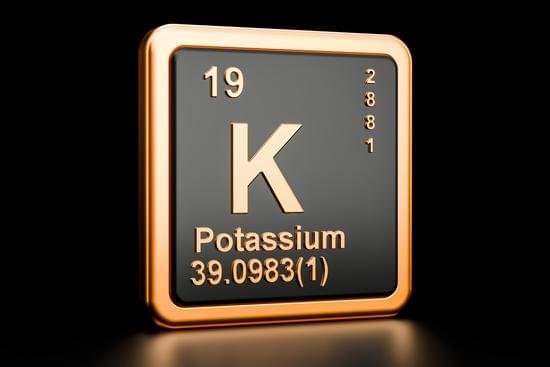
  1. Potassium: A crucial mineral that plays a vital role in maintaining fluid balance, nerve function, muscle contraction, and heart health.
  2. Functions: Helps regulate blood pressure, supports electrolyte balance, and contributes to proper cellular function.
  3. Deficiency: Can lead to muscle weakness, fatigue, heart irregularities, and other health issues.
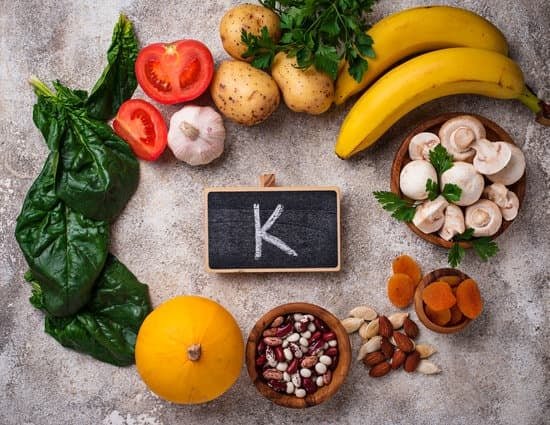
  4. Sources: Good dietary sources include bananas, potatoes, spinach, avocados, and beans.

Potassium Overview

Potassium is an essential mineral and electrolyte that the body needs for various physiological functions, particularly those related to nerve and muscle activity.

Potassium Benefits

  1. Fluid Balance: Helps maintain fluid balance within cells and tissues, supporting proper hydration and cellular function.
  2. Nerve Function: Plays a key role in nerve impulse transmission, allowing for communication between nerve cells.
  3. Muscle Contraction: Essential for muscle contraction, including the heart muscle, contributing to normal heart rhythm and function.
  4. Blood Pressure Regulation: Helps regulate blood pressure by counteracting the effects of sodium and supporting healthy blood vessel function.
  5. Electrolyte Balance: Works alongside other electrolytes like sodium and chloride to maintain overall electrolyte balance in the body.

Potassium Deficiency Symptoms

Insufficient potassium intake can result in:

  1. Muscle Weakness: Can lead to muscle weakness, cramps, and spasms.
  2. Fatigue: Low levels may cause fatigue and weakness, affecting overall energy levels.
  3. Heart Irregularities: Crucial for maintaining normal heart rhythm, and deficiency can contribute to heart palpitations and irregularities.
  4. High Blood Pressure: Inadequate intake may contribute to high blood pressure, especially in individuals with a high-sodium diet.
  5. Kidney Stones: Helps prevent the formation of kidney stones by supporting urinary citrate excretion.

How Potassium Works in the Body

Potassium is absorbed from the diet and plays a role in:

  1. Nerve Signal Transmission: Facilitates nerve impulse transmission, allowing for communication between nerve cells and the brain.
  2. Muscle Function: Essential for muscle contraction, including skeletal muscles and the heart muscle (myocardium).
  3. Fluid Balance: Helps regulate fluid balance within cells and tissues, maintaining proper hydration and cellular function.
  4. Blood Pressure Regulation: Counteracts the effects of sodium, helping regulate blood pressure and support healthy blood vessel function.

Potassium Food Sources

Dietary sources rich in potassium include:

  1. Bananas: One of the most well-known sources, providing a significant amount per serving.
  2. Potatoes: Both white and sweet potatoes are rich in potassium, especially when consumed with the skin.
  3. Spinach: Leafy greens like spinach are excellent sources of potassium and other essential nutrients.
  4. Avocados: These fruits are not only rich in healthy fats but also contain a good amount of potassium.
  5. Beans: Legumes such as kidney beans, black beans, and lentils are potassium-rich foods.
  6. Oranges: Citrus fruits like oranges contribute to potassium intake along with vitamin C.

How Things Go Bad

Potassium deficiency (hypokalemia) can occur due to:

  1. Inadequate Intake: Not consuming enough potassium-rich foods in the diet.
  2. Excessive Loss: Excessive sweating, vomiting, diarrhea, or use of certain medications can lead to potassium loss.
  3. Medical Conditions: Some medical conditions, such as kidney disorders or eating disorders, can affect potassium levels.
  4. Diuretics: Certain medications, especially diuretics, can increase potassium excretion and lead to deficiency.

Potassium Supplements

Potassium supplements are available but should be used under medical supervision, especially for individuals with certain health conditions or taking medications that affect potassium levels.

Dosage Recommendations

The recommended daily intake of potassium varies by age and gender:

  1. Adults: 2,600-3,400 mg/day
  2. Adolescents: 2,000-3,000 mg/day
  3. Children: 400-1,800 mg/day (depending on age)

It’s important to get potassium from dietary sources whenever possible, as excessive potassium supplementation can be harmful.

Research Studies on Potassium

Numerous studies have investigated the role of potassium in health, including:

  1. Blood Pressure Management: Research has shown that diets rich in potassium can help lower blood pressure and reduce the risk of hypertension.
  2. Heart Health: Potassium intake is associated with a lower risk of cardiovascular diseases, including stroke and heart attack.
  3. Muscle Function: Plays a critical role in muscle function and athletic performance, particularly in preventing muscle cramps and fatigue.
  4. Kidney Health: Adequate intake may protect against kidney stone formation and support overall kidney function.

Potassium Final Thoughts

Potassium is an essential mineral with multiple health benefits, including its role in nerve function, muscle contraction, blood pressure regulation, and fluid balance. Consuming a balanced diet rich in potassium-rich foods is key to maintaining optimal potassium levels and supporting overall health.

Disclaimer

The information provided in this article is for educational purposes only and is not intended as a substitute for professional medical advice, diagnosis, or treatment. Always seek the advice of your physician or other qualified health provider with any questions you may have regarding a medical condition.

Copper

Key Takeaways

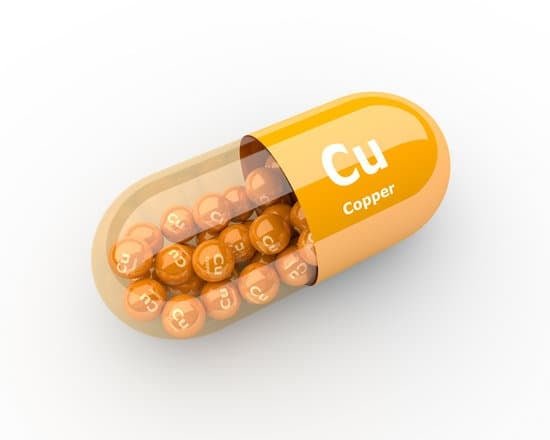
  1. Copper: An essential trace mineral that plays a vital role in various bodily functions, including energy production, iron metabolism, and antioxidant defense.
  2. Functions: Involved in the formation of red blood cells, maintenance of connective tissues, and support of the nervous system.
  3. Deficiency: Can lead to anemia, bone abnormalities, impaired immune function, and neurological issues.
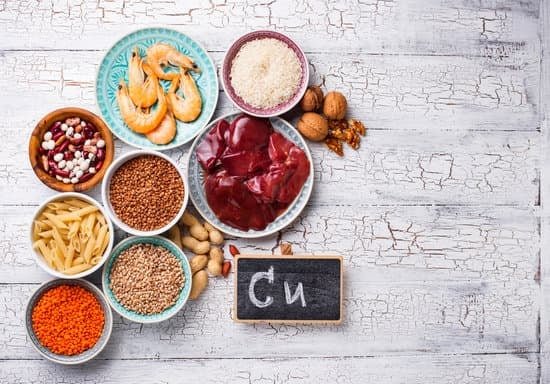
  4. Sources: Good dietary sources include seafood, nuts, seeds, whole grains, and organ meats.

Copper Overview

Copper is a trace mineral that the body needs in small amounts for proper functioning. It is involved in numerous enzymatic reactions and is crucial for overall health.

Copper Benefits

  1. Energy Production: Copper is a component of enzymes involved in energy metabolism, helping convert food into usable energy.
  2. Iron Metabolism: Plays a role in iron absorption and transport, aiding in the formation of red blood cells.
  3. Connective Tissues: Necessary for the synthesis of collagen and elastin, essential proteins for maintaining skin, bones, and blood vessels.
  4. Antioxidant Defense: Acts as a cofactor for antioxidant enzymes that protect cells from oxidative damage.

Copper Deficiency Symptoms

Insufficient copper intake can lead to:

  1. Anemia: Copper deficiency can impair iron metabolism and lead to anemia, characterized by fatigue, weakness, and pale skin.
  2. Bone Abnormalities: Inadequate copper levels may affect bone health, leading to osteoporosis or bone abnormalities.
  3. Impaired Immune Function: Copper is involved in immune response, and deficiency can weaken the immune system’s ability to fight infections.
  4. Neurological Issues: Severe copper deficiency may cause neurological symptoms such as numbness, tingling, and coordination problems.

How Copper Works in the Body

Copper is absorbed from the diet and plays a role in various physiological processes, including:

  1. Enzyme Activation: Acts as a cofactor for enzymes involved in energy production, antioxidant defense, and neurotransmitter synthesis.
  2. Iron Absorption: Facilitates the absorption of iron from the intestines and its incorporation into red blood cells for oxygen transport.
  3. Connective Tissue Formation: Essential for the synthesis of collagen and elastin, which are structural proteins in connective tissues.
  4. Neurological Support: Contributes to the functioning of the nervous system and is involved in neurotransmitter metabolism.

Copper Food Sources

Dietary sources of copper include:

  1. Seafood: Shellfish, particularly oysters, are rich in copper.
  2. Nuts and Seeds: Almonds, cashews, and sunflower seeds are good sources.
  3. Whole Grains: Whole wheat, oats, and barley contain copper.
  4. Organ Meats: Liver and kidneys are high in copper.
  5. Legumes: Beans, lentils, and chickpeas provide copper.
  6. Dark Chocolate: Cocoa powder and dark chocolate contain copper in small amounts.

How Things Go Bad

Copper deficiency can occur due to:

  1. Low Dietary Intake: Inadequate consumption of copper-rich foods.
  2. Malabsorption: Conditions affecting nutrient absorption in the intestines, such as celiac disease or gastric bypass surgery.
  3. Zinc Excess: High zinc intake can interfere with copper absorption.
  4. Genetic Disorders: Rare genetic conditions like Menkes disease can lead to copper deficiency due to impaired copper transport.

Copper Supplements

Copper supplements are available to address deficiency under medical supervision. It’s important not to exceed recommended dosages, as excessive copper intake can be toxic.

Dosage Recommendations

The recommended daily allowance (RDA) for copper varies by age and gender:

  1. Adults: 900 mcg/day
  2. Adolescents: 700-890 mcg/day
  3. Children: 340-700 mcg/day
  4. Infants: 200-340 mcg/day

Specific dosages may vary based on individual health needs and dietary intake.

Research Studies on Copper

Numerous studies have explored the role of copper in health and disease, including:

  1. Antioxidant Properties: Copper’s role as a cofactor for antioxidant enzymes has been studied for its potential in protecting against oxidative stress and age-related diseases.
  2. Bone Health: Research has investigated the relationship between copper intake, bone density, and osteoporosis risk, highlighting its importance for skeletal health.
  3. Neurological Function: Studies have examined copper’s impact on brain function, neurotransmitter synthesis, and cognitive health, particularly in aging populations.
  4. Immune Function: Copper’s involvement in immune response and inflammation modulation has been a focus of research in immune-related disorders.

Copper Final Thoughts

Copper is an essential mineral with diverse roles in the body, from energy metabolism to antioxidant defense and bone health. Ensuring an adequate intake of copper-rich foods or supplements can support overall well-being and prevent deficiency-related health issues.

Disclaimer

The information provided in this article is for educational purposes only and is not intended as a substitute for professional medical advice, diagnosis, or treatment. Always seek the advice of your physician or other qualified health provider with any questions you may have regarding a medical condition.
Iodine

Key Takeaways

  1. Iodine: An essential mineral necessary for thyroid hormone production and overall metabolic function.
  2. Function: Plays a crucial role in regulating metabolism, growth, and development, particularly during pregnancy and early childhood.
  3. Deficiency: Can lead to thyroid disorders, impaired cognitive function, and developmental issues.
  4. Sources: Good dietary sources include iodized salt, seafood, dairy products, and fortified foods.

Iodine Overview

Iodine is a trace mineral essential for the synthesis of thyroid hormones, thyroxine (T4), and triiodothyronine (T3). These hormones play a critical role in regulating metabolism, growth, and development.

Iodine Benefits

  1. Thyroid Function: Iodine is a key component of thyroid hormones, which regulate metabolism, energy production, and body temperature.
  2. Metabolic Regulation: Adequate iodine levels support efficient energy metabolism and help maintain a healthy weight.
  3. Development: Crucial for normal growth and development, particularly in fetuses, infants, and children.
  4. Cognitive Function: Thyroid hormones influenced by iodine play a role in brain development and cognitive function.

Iodine Deficiency Symptoms

Insufficient iodine intake can lead to:

  1. Hypothyroidism: Low iodine levels can cause an underactive thyroid, leading to symptoms such as fatigue, weight gain, and cold intolerance.
  2. Goiter: Enlargement of the thyroid gland, known as a goiter, can occur due to iodine deficiency.
  3. Cognitive Impairments: Iodine deficiency during pregnancy and early childhood can result in impaired cognitive function and developmental delays.
  4. Thyroid Disorders: Severe iodine deficiency may contribute to thyroid disorders such as hypothyroidism or hyperthyroidism.

How Iodine Works in the Body

Iodine is absorbed from the diet and used by the thyroid gland to produce thyroid hormones. These hormones play a crucial role in regulating metabolism, growth, and energy production throughout the body.

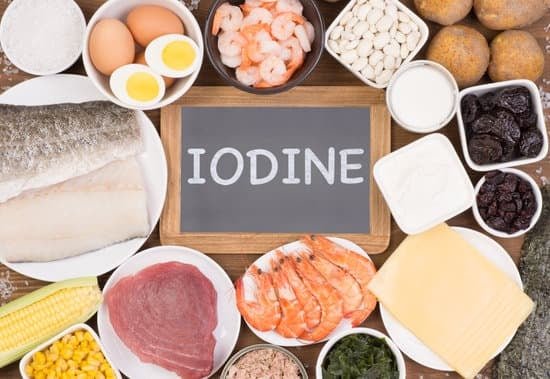
Iodine Food Sources

Dietary sources of iodine include:

  1. Iodized Salt: Salt fortified with iodine is a common source of this mineral in many diets.
  2. Seafood: Fish and seaweed are rich in iodine, especially cod, tuna, shrimp, and kelp.
  3. Dairy Products: Milk, yogurt, and cheese can contribute to iodine intake, particularly if fortified.
  4. Eggs: Eggs contain iodine, along with other essential nutrients.
  5. Fortified Foods: Some bread, cereals, and other processed foods are fortified with iodine.

How Things Go Bad

Iodine deficiency can result from:

  1. Low Dietary Intake: Inadequate consumption of iodine-rich foods or reliance on non-iodized salt can lead to deficiency.
  2. Geographic Factors: Certain regions with low soil iodine levels may have populations at higher risk of iodine deficiency.
  3. Pregnancy and Lactation: Increased iodine requirements during pregnancy and breastfeeding can lead to deficiency if dietary intake is insufficient.
  4. Vegetarian or Vegan Diets: Plant-based diets may provide less iodine unless supplemented or enriched with iodine-containing foods.

Iodine Supplements

Iodine supplements, such as potassium iodide or iodine drops, are available to address deficiency under medical supervision. It’s crucial to consult with a healthcare provider for proper dosage and monitoring, as excessive iodine intake can also be harmful.

Dosage Recommendations

The recommended daily allowance (RDA) for iodine varies by age, gender, and life stage:

  1. Adults: 150 mcg/day
  2. Pregnant Women: 220-250 mcg/day
  3. Breastfeeding Women: 250-290 mcg/day
  4. Children and Adolescents: 90-150 mcg/day

Specific dosages may vary based on individual health status and dietary intake.

Research Studies on Iodine

Numerous studies have investigated the effects of iodine supplementation and its role in preventing iodine deficiency disorders (IDDs), such as:

  1. Thyroid Health: Adequate iodine intake supports thyroid function, preventing hypothyroidism, goiter, and other thyroid disorders.
  2. Pregnancy Outcomes: Maternal iodine status impacts fetal development, and iodine supplementation during pregnancy can reduce the risk of cognitive impairments in children.
  3. Cognitive Function: Iodine deficiency has been linked to lower IQ and cognitive deficits, highlighting the importance of adequate iodine intake for brain health.
  4. Public Health Interventions: Efforts such as iodized salt programs have been successful in reducing IDD prevalence and improving population iodine status.

Iodine Final Thoughts

Iodine is a crucial mineral for thyroid function, metabolic regulation, and overall health. Ensuring adequate iodine intake through dietary sources or supplementation is essential, particularly for pregnant women, breastfeeding mothers, and young children.

Disclaimer

The information provided in this article is for educational purposes only and is not intended as a substitute for professional medical advice, diagnosis, or treatment. Always seek the advice of your physician or other qualified health provider with any questions you may have regarding a medical condition.
Iron

Key Takeaways

  1. Iron: An essential mineral that plays a vital role in transporting oxygen throughout the body and supporting overall energy production.
  2. Function: A key component of hemoglobin, the protein in red blood cells responsible for carrying oxygen from the lungs to tissues.
  3. Deficiency: Can lead to anemia, fatigue, weakness, and impaired cognitive function.
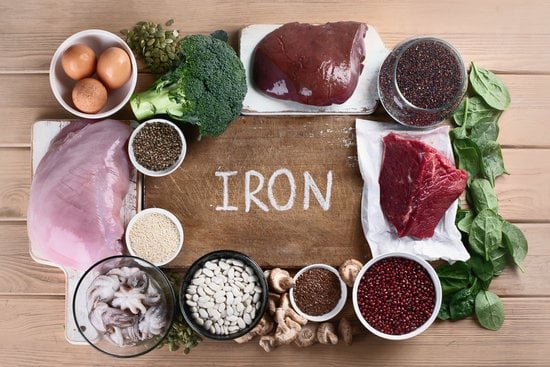
  4. Sources: Good dietary sources include meat, poultry, fish, legumes, fortified cereals, and leafy green vegetables.

Iron Overview

Iron is a crucial mineral involved in oxygen transport, energy production, and various metabolic processes in the body. It is necessary for the formation of hemoglobin and myoglobin, proteins that carry and store oxygen in cells.

Iron Benefits

  1. Oxygen Transport: Essential for the synthesis of hemoglobin, which transports oxygen from the lungs to tissues throughout the body.
  2. Energy Production: Plays a role in cellular respiration and the production of adenosine triphosphate (ATP), the body’s primary energy currency.
  3. Cognitive Function: Adequate iron levels support cognitive processes such as memory, attention, and learning.
  4. Immune System Support: Involved in immune cell function and response to infections.

Iron Deficiency Symptoms

Insufficient iron intake or absorption can lead to:

  1. Anemia: Characterized by low hemoglobin levels, resulting in fatigue, weakness, and pale skin.
  2. Fatigue: Iron-deficient individuals often experience persistent tiredness and reduced energy levels.
  3. Weakness: Muscle weakness and decreased exercise tolerance can occur due to inadequate oxygen delivery.
  4. Impaired Cognitive Function: May impact cognitive abilities, including memory, concentration, and problem-solving.
  5. Pale Skin: Can lead to a pale or “washed-out” appearance of the skin and mucous membranes.

How Iron Works in the Body

Iron is a critical component of hemoglobin, myoglobin, and various enzymes involved in energy metabolism, DNA synthesis, and antioxidant defense. It binds to oxygen in the lungs and transports it via red blood cells to tissues for cellular respiration.

Iron Food Sources

Dietary sources of iron include:

  1. Meat: Red meat, poultry, and seafood are rich in heme iron, which is more easily absorbed by the body.
  2. Legumes: Beans, lentils, and chickpeas provide non-heme iron, a less absorbable form found in plant-based foods.
  3. Fortified Foods: Iron-fortified cereals, bread, and other grain products are good sources, especially for vegetarians and vegans.
  4. Leafy Green Vegetables: Spinach, kale, and broccoli contain non-heme iron along with other nutrients.
  5. Nuts and Seeds: Pumpkin seeds, cashews, and almonds contribute to iron intake.

How Things Go Bad

Iron deficiency can result from:

  1. Inadequate Intake: Not consuming enough iron-rich foods in the diet, especially for individuals with increased iron needs (e.g., pregnant women).
  2. Poor Absorption: Certain factors like phytates, tannins, and calcium can inhibit iron absorption from plant-based sources.
  3. Blood Loss: Chronic blood loss from menstruation, gastrointestinal bleeding, or other medical conditions can lead to deficiency.
  4. Increased Requirements: Growth periods (e.g., infancy, adolescence), pregnancy, and intense physical activity may increase iron needs.
  5. Malabsorption Disorders: Conditions affecting nutrient absorption in the digestive tract can contribute to deficiency.

Iron Supplements

Iron supplements, including ferrous sulfate, ferrous gluconate, and ferrous fumarate, are available to address iron deficiency under medical supervision. It’s essential to consult with a healthcare provider for proper dosage and monitoring.

Dosage Recommendations

The recommended daily allowance (RDA) for iron varies by age, gender, and life stage:

  1. Adult Men: 8 mg/day
  2. Adult Women (non-pregnant): 18 mg/day
  3. Pregnant Women: 27 mg/day
  4. Breastfeeding Women: 9-10 mg/day

Specific dosages may vary based on individual health status and should be determined in consultation with a healthcare provider.

Research Studies on Iron

Numerous studies have explored the effects of iron supplementation in various populations and health conditions, including:

  1. Anemia Management: Effective in treating and preventing iron deficiency anemia, improving hemoglobin levels and reducing symptoms of fatigue and weakness.
  2. Pregnancy Outcomes: Adequate iron intake during pregnancy is essential for maternal health and fetal development, reducing the risk of preterm birth and low birth weight.
  3. Athletic Performance: Iron status can impact exercise performance, with iron-deficient individuals experiencing reduced endurance and athletic capacity.
  4. Cognitive Function: Iron deficiency has been linked to cognitive impairments, and iron supplementation may benefit cognitive performance, especially in children and adolescents.

Iron Final Thoughts

Iron is a vital nutrient with critical roles in oxygen transport, energy metabolism, and overall health. Maintaining adequate iron levels through a balanced diet or supplementation when necessary supports optimal physical and cognitive function.

Disclaimer

The information provided in this article is for educational purposes only and is not intended as a substitute for professional medical advice, diagnosis, or treatment. Always seek the advice of your physician or other qualified health provider with any questions you may have regarding a medical condition.

Zinc

Key Takeaways

  1. Zinc is an essential mineral involved in immune function, DNA synthesis, and wound healing.
  2. It supports immune system function, promotes cell division and growth, and maintains healthy skin, hair, and nails.
  3. Zinc deficiency can lead to impaired immune function, delayed wound healing, and skin problems.
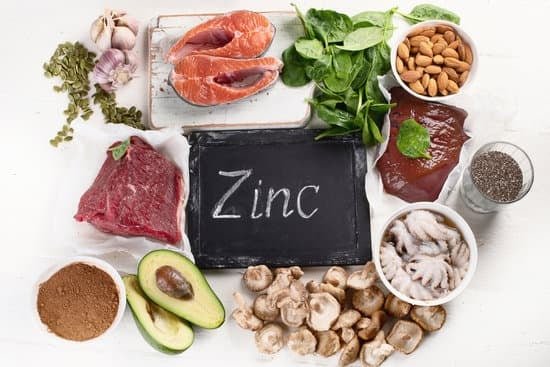
  4. Good food sources of zinc include meat, shellfish, legumes, seeds, and nuts.

Zinc Overview

Zinc is a vital mineral that serves various functions in the body, contributing to immune health, cell division, and wound healing. It is necessary for the proper functioning of enzymes and plays a role in maintaining healthy skin, hair, and nails.

Zinc Benefits

  1. Immune System Support: Critical for immune cell function, helping the body fight infections and illnesses.
  2. Cell Growth and Division: Essential for DNA synthesis and cell division, crucial processes for growth and development.
  3. Wound Healing: Plays a role in collagen synthesis and tissue repair, aiding in wound healing and skin regeneration.
  4. Skin Health: Supports oil gland function and skin cell turnover, contributing to healthy skin.
  5. Hair and Nail Health: Involved in maintaining strong and healthy hair and nails, reducing brittleness and breakage.

Zinc Deficiency Symptoms

Insufficient zinc intake can lead to:

  1. Weakened Immune System: Increased susceptibility to infections and slower recovery from illnesses.
  2. Delayed Wound Healing: Impaired wound healing process.
  3. Skin Problems: Dry skin, acne, eczema, or dermatitis.
  4. Hair Loss: Hair thinning or hair loss.
  5. Nail Issues: Brittle nails, white spots, or slow nail growth.

How Zinc Works in the Body

Zinc functions as a cofactor for numerous enzymes involved in metabolic processes, DNA synthesis, and protein synthesis. It is crucial for immune cell function, antioxidant activity, and hormone regulation.

Zinc Food Sources

Rich dietary sources of zinc include:

  • Meat: Beef, pork, lamb, and poultry.
  • Shellfish: Oysters, crab, lobster, and shrimp.
  • Legumes: Chickpeas, lentils, beans, and peas.
  • Seeds and Nuts: Pumpkin seeds, hemp seeds, cashews, and almonds.
  • Dairy: Milk, cheese, and yogurt.
  • Whole Grains: Some whole grains like wheat germ and quinoa.

How Things Go Bad

Zinc deficiency can occur due to:

  1. Inadequate Intake: Not consuming enough zinc-rich foods.
  2. Poor Absorption: Factors like phytates in grains and legumes can inhibit absorption.
  3. Digestive Disorders: Conditions like Crohn’s disease or celiac disease can lead to deficiency.
  4. Vegetarian or Vegan Diets: Plant-based diets may be lower in bioavailable zinc.
  5. Alcoholism: Excessive alcohol consumption can interfere with absorption and utilization.

Zinc Supplements

Zinc supplements, such as zinc gluconate, zinc sulfate, or zinc acetate, may address deficiency or support specific health needs. Consult with a healthcare provider for proper dosage and guidance.

Dosage Recommendations

The recommended dietary allowance (RDA) for zinc varies by age and gender:

  • Adult Men: 11 mg/day
  • Adult Women: 8 mg/day
  • Pregnant and Breastfeeding Women: 11-12 mg/day
  • Children and Adolescents: 2-11 mg/day, depending on age

Specific dosages may vary based on individual health status and should be determined in consultation with a healthcare provider.

Research Studies on Zinc

Numerous studies have explored the benefits of zinc supplementation in various health conditions, including:

  1. Immune Health: Reduces duration and severity of colds and respiratory infections.
  2. Wound Healing: Promotes wound healing and reduces infection risk.
  3. Skin Conditions: Benefits individuals with acne, eczema, or psoriasis by reducing inflammation and improving skin barrier function.
  4. Male Fertility: Plays a role in male reproductive health, and supplementation may improve sperm quality and fertility.

Zinc Final Thoughts

Zinc is an essential mineral with diverse roles in maintaining health and well-being. Ensuring an adequate intake of zinc-rich foods or considering supplementation under appropriate guidance can support overall health, immune function, and skin integrity.

Disclaimer: The information provided in this article is for educational purposes only and is not intended as a substitute for professional medical advice, diagnosis, or treatment. Always seek the advice of your physician or other qualified health provider with any questions you may have regarding a medical condition.

Magnesium

Key Takeaways

  1. Magnesium: An essential mineral involved in over 300 enzymatic reactions in the body, impacting energy production, muscle function, and bone health.
  2. Roles: Plays a crucial role in maintaining normal nerve and muscle function, regulating blood sugar levels, and supporting immune system function.
  3. Deficiency: Can lead to symptoms like muscle cramps, fatigue, and irregular heartbeat.
  4. Sources: Good food sources include nuts, seeds, whole grains, leafy greens, and legumes.

Magnesium Overview

Magnesium is a vital mineral necessary for various bodily functions, including energy production, muscle and nerve function, and bone health. It is involved in numerous enzymatic reactions that impact overall health and well-being.

Magnesium Benefits

  1. Energy Production: Magnesium is a cofactor for ATP synthesis, the primary energy molecule in cells.
  2. Muscle Function: Plays a role in muscle contraction and relaxation, helping prevent muscle cramps and spasms.
  3. Bone Health: Essential for bone formation and maintenance, working in conjunction with calcium and vitamin D.
  4. Nerve Function: Supports normal nerve signaling and helps regulate neurotransmitter levels.
  5. Blood Sugar Regulation: Helps regulate blood glucose levels and insulin sensitivity.
  6. Heart Health: Adequate magnesium intake is associated with a lower risk of cardiovascular disease and hypertension.

Magnesium Deficiency Symptoms

Insufficient magnesium intake can lead to:

  1. Muscle Cramps: Often associated with muscle cramps and spasms.
  2. Fatigue: Low levels can contribute to feelings of tiredness and lethargy.
  3. Irregular Heartbeat: Plays a role in heart rhythm regulation, and deficiency may lead to palpitations or arrhythmias.
  4. Weakness: Muscle weakness and reduced physical performance can occur with deficiency.
  5. Nervous System Issues: Symptoms such as irritability, anxiety, and poor concentration may result from low levels.

How Magnesium Works in the Body

Magnesium functions as a cofactor for many enzymes involved in energy metabolism, protein synthesis, and DNA/RNA stability. It also plays a role in ion transport across cell membranes, nerve impulse transmission, and muscle contraction.

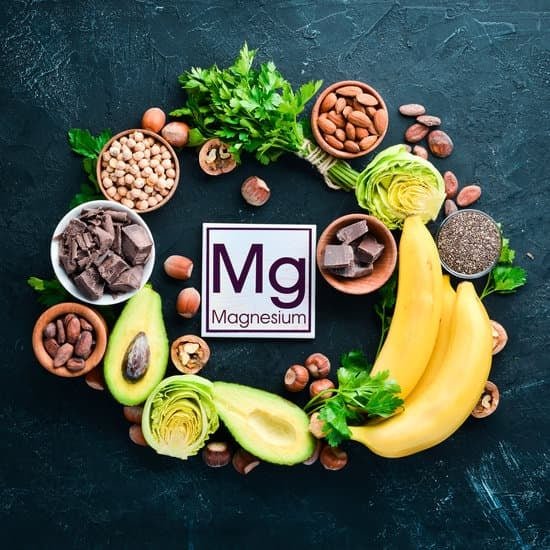
Magnesium Food Sources

Rich dietary sources of magnesium include:

  1. Nuts and Seeds: Almonds, cashews, pumpkin seeds, and sunflower seeds.
  2. Whole Grains: Brown rice, quinoa, oats, and whole wheat.
  3. Leafy Greens: Spinach, kale, Swiss chard, and collard greens.
  4. Legumes: Beans, lentils, chickpeas, and soybeans.
  5. Fish: Mackerel, salmon, and halibut.
  6. Avocado: A fruit with notable magnesium content.

How Things Go Bad

Magnesium deficiency can occur due to:

  1. Inadequate Intake: Not consuming enough magnesium-rich foods or having poor absorption.
  2. Medical Conditions: Certain health conditions like gastrointestinal disorders, diabetes, or kidney disease can affect levels.
  3. Medications: Some medications may interfere with absorption or increase its excretion.
  4. Alcohol Consumption: Excessive alcohol intake can lead to depletion.

Magnesium Supplements

Magnesium supplements, including magnesium citrate, magnesium oxide, or magnesium glycinate, may be used to address deficiency or support specific health needs. However, it’s essential to consult with a healthcare provider before starting any supplementation regimen.

Dosage Recommendations

The recommended dietary allowance (RDA) for magnesium varies by age and gender:

  1. Adult Men: 400-420 milligrams per day.
  2. Adult Women: 310-320 milligrams per day.
  3. Pregnant Women: 350-360 milligrams per day.
  4. Breastfeeding Women: 310-320 milligrams per day.

Specific dosages may vary based on individual health status and should be determined in consultation with a healthcare provider.

Research Studies on Magnesium

Numerous studies have explored the benefits of magnesium supplementation in various health conditions, including:

  1. Blood Pressure: Associated with lower blood pressure levels, particularly in individuals with hypertension.
  2. Migraine Headaches: Some research suggests supplementation may reduce the frequency and severity of migraine headaches.
  3. Type 2 Diabetes: Intake is linked to improved insulin sensitivity and glucose metabolism, potentially benefiting individuals with diabetes.
  4. Bone Health: Adequate intake is essential for maintaining bone density and reducing the risk of osteoporosis.

Magnesium Final Thoughts

Magnesium is a crucial mineral with widespread implications for health and well-being. Ensuring an adequate intake of magnesium-rich foods or considering supplementation under appropriate guidance can support overall health, especially in individuals at risk of deficiency or those with specific health concerns.

Disclaimer

The information provided in this article is for educational purposes only and is not intended as a substitute for professional medical advice, diagnosis, or treatment. Always seek the advice of your physician or other qualified health provider with any questions you may have regarding a medical condition.
Choline

Key Takeaways

  1. Choline: An essential nutrient crucial for brain health, liver function, and overall metabolism.
  2. Roles: Plays a role in neurotransmitter synthesis, cell membrane structure, and lipid metabolism.
  3. Deficiency: Can lead to liver damage, cognitive impairments, and muscle disorders.
  4. Sources: Good food sources include eggs, meat, fish, dairy products, and certain plant-based foods like soybeans and cruciferous vegetables.

Choline Overview

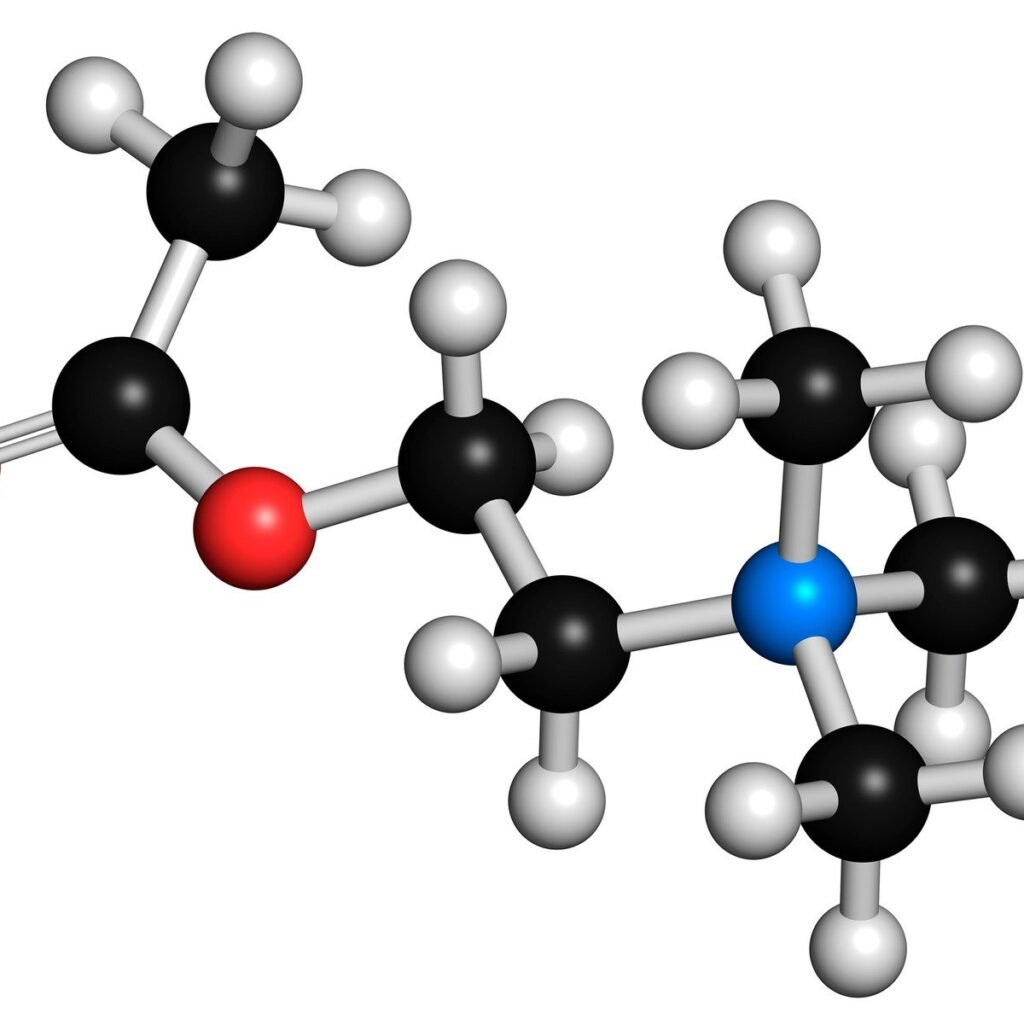
Choline is a vital nutrient that plays multiple roles in the body, including brain function, nerve signaling, and metabolism. It is essential for the synthesis of acetylcholine, a neurotransmitter important for memory, learning, and muscle control.

Choline Benefits

  1. Brain Health: Choline is a precursor to acetylcholine, a neurotransmitter involved in memory, mood, and cognitive function.
  2. Liver Function: Supports liver health by aiding in fat metabolism and preventing fatty liver disease.
  3. Cell Membrane Structure: A component of cell membranes, contributing to their integrity and fluidity.
  4. Metabolism: Plays a role in lipid metabolism, helping to transport fats and cholesterol in the body.

Choline Deficiency Symptoms

A deficiency in choline can lead to:

  1. Liver Damage: Associated with liver abnormalities and fatty liver disease.
  2. Cognitive Impairments: May affect memory, concentration, and cognitive performance.
  3. Muscle Disorders: Important for muscle function, and a deficiency can contribute to muscle weakness or disorders.

How Choline Works in the Body

Choline is a precursor to acetylcholine, a neurotransmitter critical for nerve signaling and muscle control. It also plays a role in cell membrane structure and function, supporting overall cellular health.

Choline Food Sources

Good dietary sources of choline include:

  1. Eggs: Particularly the egg yolk, which is rich in choline.
  2. Meat: Beef, chicken, and pork are good sources of choline.
  3. Fish: Salmon, trout, and other fatty fish contain choline.
  4. Dairy Products: Milk, cheese, and yogurt provide choline.
  5. Plant-Based Foods: Soybeans, tofu, broccoli, and Brussels sprouts are plant-based sources of choline.

How Things Go Bad

Choline deficiency can occur due to:

  1. Inadequate Intake: Not consuming enough choline-rich foods in the diet.
  2. Certain Health Conditions: Some medical conditions or medications may interfere with choline absorption or utilization.
  3. Pregnancy and Breastfeeding: Increased choline needs during pregnancy and lactation can lead to deficiency if not met through diet or supplementation.

Choline Supplements

Choline supplements, such as choline bitartrate or choline chloride, are available and may be used to meet daily choline requirements, especially in cases where dietary intake is insufficient.

Dosage Recommendations

The adequate intake (AI) for choline varies by age and gender:

  1. Adult Men: 550 milligrams per day.
  2. Adult Women: 425 milligrams per day.
  3. Pregnant Women: 450 milligrams per day.
  4. Breastfeeding Women: 550 milligrams per day.

Specific dosages may vary based on individual health needs and should be determined in consultation with a healthcare provider.

Research Studies on Choline

  1. Brain Development: Adequate choline intake during pregnancy and early childhood is crucial for proper brain development and cognitive function in offspring.
  2. Liver Health: Choline supplementation has been shown to improve liver function and reduce the risk of fatty liver disease.
  3. Cognitive Function: Some research indicates that choline supplementation may benefit memory, attention, and cognitive performance in adults.

Choline Final Thoughts

Choline is an essential nutrient with diverse roles in brain health, liver function, and metabolism. Ensuring an adequate intake of choline-rich foods or considering supplementation can support overall health and well-being, particularly in individuals with increased choline needs or at risk of deficiency.

Disclaimer

The information provided in this article is for educational purposes only and is not intended as a substitute for professional medical advice, diagnosis, or treatment. Always seek the advice of your physician or other qualified health provider with any questions you may have regarding a medical condition.
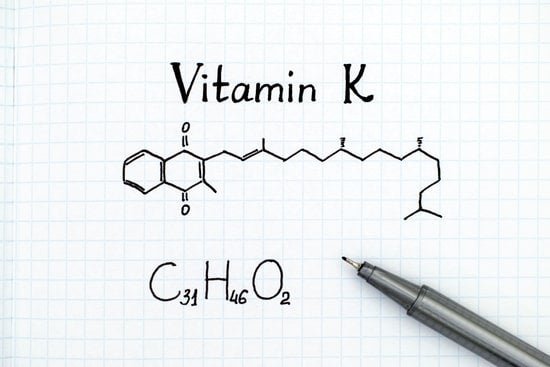
Vitamin K

Key Takeaways

  1. Vitamin K: A fat-soluble vitamin essential for blood clotting, bone health, and cardiovascular function.
  2. Forms: Exists in two main forms—vitamin K1 (phylloquinone) and vitamin K2 (menaquinone), each with distinct roles in the body.
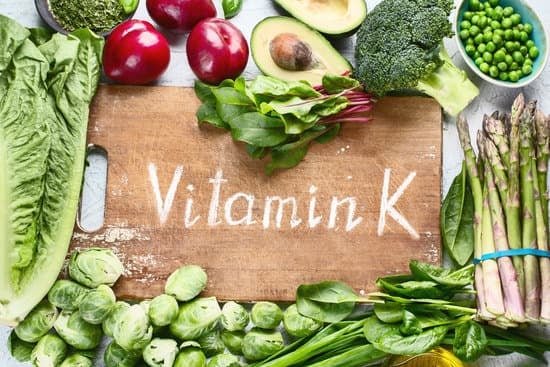
  3. Sources: Vitamin K1 is primarily found in leafy green vegetables, while vitamin K2 is produced by gut bacteria and found in fermented foods and animal products.

Vitamin K Overview

Vitamin K is crucial for proper blood clotting, bone metabolism, and heart health. It helps activate proteins that play key roles in these processes, ensuring normal function and tissue integrity.

Vitamin K Benefits

  1. Blood Clotting: Essential for the synthesis of clotting factors, enabling the blood to clot properly and prevent excessive bleeding.
  2. Bone Health: Contributes to bone mineralization and density, reducing the risk of fractures and osteoporosis.
  3. Heart Health: Some research suggests that vitamin K may help reduce the risk of cardiovascular diseases by supporting arterial health and preventing calcification.

Vitamin K Forms and Food Sources

  1. Vitamin K1 (Phylloquinone): Found in green leafy vegetables like spinach, kale, and broccoli, as well as certain oils like soybean and canola oil.
  2. Vitamin K2 (Menaquinone): Produced by gut bacteria and found in fermented foods (e.g., natto, cheese) and animal products (e.g., liver, egg yolks).

How Vitamin K Works in the Body

Vitamin K plays a critical role in the carboxylation of proteins involved in blood clotting and bone metabolism. It activates clotting factors and supports the incorporation of calcium into bones, promoting proper function and structure.

Deficiency Symptoms

A deficiency in vitamin K can lead to:

  1. Increased Bleeding: Due to impaired clotting function, leading to easy bruising and prolonged bleeding.
  2. Poor Bone Health: Increased risk of fractures, osteoporosis, and impaired bone mineralization.
  3. Cardiovascular Risks: Some studies suggest a potential link between vitamin K deficiency and an increased risk of heart disease and arterial calcification.

How Things Go Bad

Vitamin K deficiency can result from:

  1. Poor Diet: Inadequate intake of vitamin K-rich foods, especially green leafy vegetables and fermented products.
  2. Malabsorption: Conditions that affect fat absorption (e.g., certain digestive disorders, bile duct obstruction) can lead to reduced vitamin K absorption.
  3. Medications: Some medications (e.g., certain antibiotics, anticoagulants) can interfere with vitamin K metabolism and utilization.

Types of Vitamin K Supplements

Vitamin K supplements are available in various forms:

  1. Vitamin K1 Supplements: Derived from plant sources and commonly used to support blood clotting.
  2. Vitamin K2 Supplements: Often sourced from bacterial fermentation and may have additional benefits for bone and cardiovascular health.

Dosage Recommendations

The recommended daily intake of vitamin K varies by age and gender:

  1. Adults: The adequate intake for adult men is 120 micrograms per day, and for adult women, it’s 90 micrograms per day.
  2. Children: Children’s requirements vary by age, ranging from 30-75 micrograms per day.

Specific dosages may vary based on individual health needs and should be determined in consultation with a healthcare provider.

Research Studies on Vitamin K

  1. Bone Health: Studies have shown that vitamin K supplementation can improve bone mineral density and reduce fracture risk, especially in postmenopausal women and elderly individuals.
  2. Blood Clotting: Essential for proper blood clotting, and deficiencies can lead to bleeding disorders.
  3. Cardiovascular Health: Some research suggests that vitamin K may have protective effects on the cardiovascular system by reducing arterial calcification and improving vascular health.

Vitamin K Final Thoughts

Vitamin K is a vital nutrient with diverse roles in blood clotting, bone health, and cardiovascular function. It’s important to consume a balanced diet rich in vitamin K-containing foods or consider supplementation if necessary, especially for individuals at risk of deficiency or with specific health conditions.

Disclaimer

The information provided in this article is for educational purposes only and is not intended as a substitute for professional medical advice, diagnosis, or treatment. Always seek the advice of your physician or other qualified health provider with any questions you may have regarding a medical condition.