
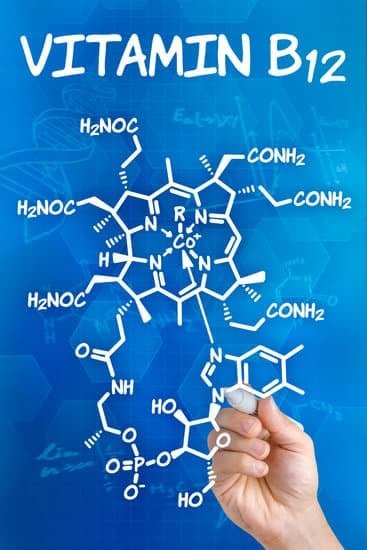
Key Takeaway
- Cobalamin (Vitamin B12): A water-soluble vitamin essential for DNA synthesis, red blood cell formation, and neurological function.
- Critical Roles: Plays a key role in energy metabolism, nerve cell maintenance, and the production of genetic material.
- Therapeutic Effects: Potential benefits for conditions such as pernicious anemia, neuropathy, and cognitive decline.
- Deficiency Symptoms: Includes fatigue, weakness, pale skin, neurological problems, and megaloblastic anemia.
Cobalamin Overview
Cobalamin is a vital nutrient that plays a key role in DNA synthesis, red blood cell formation, and neurological function. It is naturally present in animal products, fortified foods, and available as a dietary supplement. Cobalamin is crucial for overall cellular function, particularly in energy metabolism and nerve cell maintenance.
Cobalamin Benefits
- DNA Synthesis: Essential for DNA synthesis and repair, supporting cell division and genetic material production.
- Red Blood Cells: Necessary for the formation of red blood cells, preventing anemia and supporting oxygen transport.
- Neurological Function: Plays a crucial role in nerve cell maintenance and myelin formation, supporting neurological function and cognitive health.
- Energy Metabolism: Involved in converting food into energy for cellular processes.
Deficiency Symptoms
Cobalamin deficiency can lead to several health issues, including:
- Anemia: Due to impaired red blood cell formation (megaloblastic anemia).
- Neurological Problems: Nerve damage can cause tingling, numbness, and balance issues.
- Fatigue: Reduced energy levels and overall weakness.
- Pale Skin: Skin may appear paler due to reduced red blood cell production.
- Cognitive Decline: Memory problems, confusion, and cognitive impairment may occur.
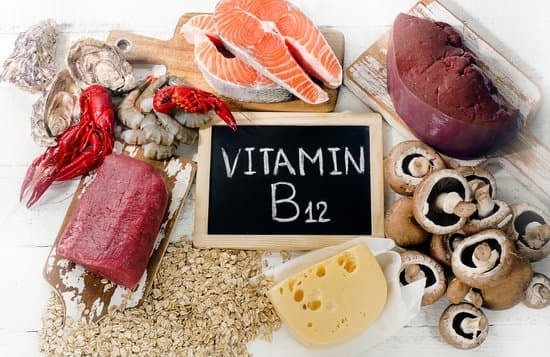
Food Sources
Cobalamin can be found in a variety of foods, including:
- Animal Products: Beef, chicken, fish, eggs, and dairy products.
- Fortified Foods: Some cereals, plant-based milk alternatives, and nutritional yeast.
How Cobalamin Works in the Body
Cobalamin plays a crucial role in body function by supporting DNA synthesis, red blood cell formation, and neurological function.
- DNA Synthesis: Necessary for the synthesis and repair of DNA, supporting cell division and genetic material production.
- Red Blood Cells: Essential for the production of red blood cells, preventing anemia and supporting oxygen transport.
- Neurological Function: Supports nerve cell maintenance, myelin formation, and neurotransmitter synthesis, contributing to neurological function and cognitive health.
- Energy Metabolism: Involved in converting food into energy for cellular processes.
How Things Go Bad
Cobalamin deficiency can occur due to various factors, including:
- Poor Diet: Not consuming enough cobalamin-rich foods, especially in vegetarian or vegan diets.
- Malabsorption: Certain gastrointestinal disorders can impair cobalamin absorption, leading to deficiency.
- Intrinsic Factor Deficiency: Inadequate production of intrinsic factor, a protein necessary for cobalamin absorption in the gut.
- Pernicious Anemia: An autoimmune condition that affects intrinsic factor production and cobalamin absorption.
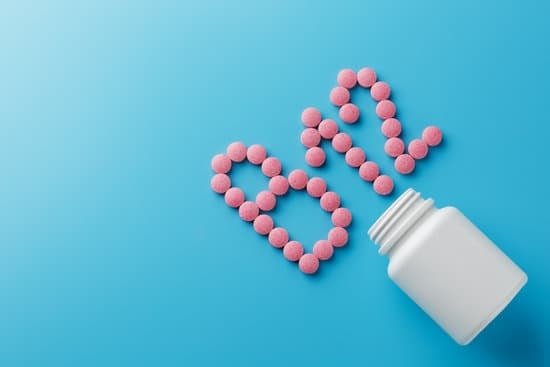
Types of Cobalamin Supplements
Cobalamin supplements are available in various forms, including:
- Cyanocobalamin: The most common form of cobalamin supplement, often used in dietary supplements and fortified foods.
- Methylcobalamin: Another active form of cobalamin, may be preferred for individuals with certain metabolic conditions or absorption issues.
Dosage Recommendations
The recommended daily allowance (RDA) for cobalamin varies based on age, gender, and life stage:
- Adults: The RDA for adult men and women is 2.4 micrograms (mcg) per day.
- Pregnancy and Lactation: Pregnant and breastfeeding women may require higher amounts of cobalamin, around 2.6-2.8 mcg per day.
It’s important to consult with a healthcare professional to determine the right dosage for you, especially if you have specific health conditions or dietary preferences.
Research Studies on Cobalamin
- Pernicious Anemia Treatment: Cobalamin supplementation is a standard treatment for pernicious anemia, effectively restoring red blood cell production and alleviating symptoms.
- Neuropathy Management: Studies have shown that cobalamin supplementation can improve neuropathic symptoms, such as tingling and numbness, in individuals with nerve damage.
- Cognitive Health: Research suggests that adequate cobalamin levels are essential for cognitive health and may help prevent age-related cognitive decline.
- Energy Metabolism: Plays a crucial role in energy metabolism, contributing to overall vitality and cellular function.
Cobalamin Final Thoughts
Cobalamin is a vital nutrient with numerous benefits for DNA synthesis, red blood cell formation, and neurological function. Its roles in energy metabolism, nerve cell maintenance, and cognitive health make it essential for maintaining overall vitality and well-being.
Disclaimer
The information provided in this document is for educational purposes only and is not intended as a substitute for professional medical advice, diagnosis, or treatment. Always seek the advice of your physician or other qualified health provider with any questions you may have regarding a medical condition.
Leave A Comment