
Key Takeaways
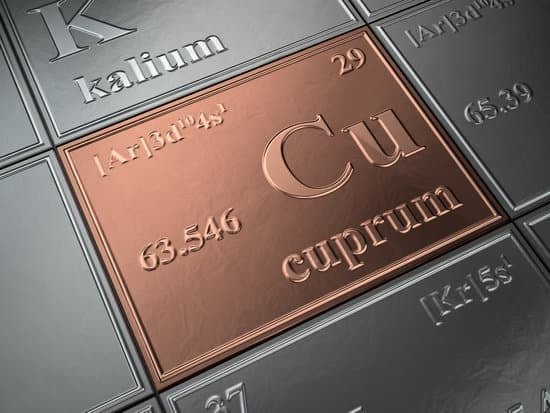
- Copper: An essential trace mineral that plays a vital role in various bodily functions, including energy production, iron metabolism, and antioxidant defense.
- Functions: Involved in the formation of red blood cells, maintenance of connective tissues, and support of the nervous system.
- Deficiency: Can lead to anemia, bone abnormalities, impaired immune function, and neurological issues.
- Sources: Good dietary sources include seafood, nuts, seeds, whole grains, and organ meats.
Copper Overview
Copper is a trace mineral that the body needs in small amounts for proper functioning. It is involved in numerous enzymatic reactions and is crucial for overall health.
Copper Benefits
- Energy Production: Copper is a component of enzymes involved in energy metabolism, helping convert food into usable energy.
- Iron Metabolism: Plays a role in iron absorption and transport, aiding in the formation of red blood cells.
- Connective Tissues: Necessary for the synthesis of collagen and elastin, essential proteins for maintaining skin, bones, and blood vessels.
- Antioxidant Defense: Acts as a cofactor for antioxidant enzymes that protect cells from oxidative damage.
Copper Deficiency Symptoms
Insufficient copper intake can lead to:
- Anemia: Copper deficiency can impair iron metabolism and lead to anemia, characterized by fatigue, weakness, and pale skin.
- Bone Abnormalities: Inadequate copper levels may affect bone health, leading to osteoporosis or bone abnormalities.
- Impaired Immune Function: Copper is involved in immune response, and deficiency can weaken the immune system’s ability to fight infections.
- Neurological Issues: Severe copper deficiency may cause neurological symptoms such as numbness, tingling, and coordination problems.
How Copper Works in the Body
Copper is absorbed from the diet and plays a role in various physiological processes, including:
- Enzyme Activation: Acts as a cofactor for enzymes involved in energy production, antioxidant defense, and neurotransmitter synthesis.
- Iron Absorption: Facilitates the absorption of iron from the intestines and its incorporation into red blood cells for oxygen transport.
- Connective Tissue Formation: Essential for the synthesis of collagen and elastin, which are structural proteins in connective tissues.
- Neurological Support: Contributes to the functioning of the nervous system and is involved in neurotransmitter metabolism.
Copper Food Sources
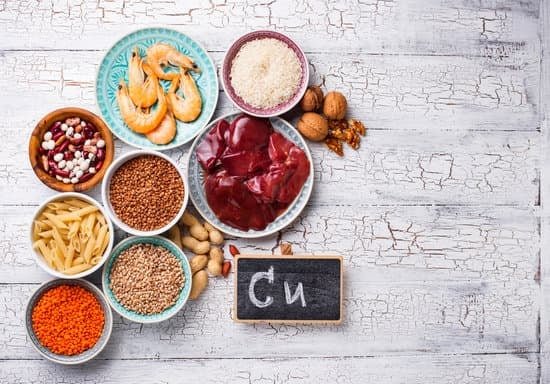
Dietary sources of copper include:
- Seafood: Shellfish, particularly oysters, are rich in copper.
- Nuts and Seeds: Almonds, cashews, and sunflower seeds are good sources.
- Whole Grains: Whole wheat, oats, and barley contain copper.
- Organ Meats: Liver and kidneys are high in copper.
- Legumes: Beans, lentils, and chickpeas provide copper.
- Dark Chocolate: Cocoa powder and dark chocolate contain copper in small amounts.
How Things Go Bad
Copper deficiency can occur due to:
- Low Dietary Intake: Inadequate consumption of copper-rich foods.
- Malabsorption: Conditions affecting nutrient absorption in the intestines, such as celiac disease or gastric bypass surgery.
- Zinc Excess: High zinc intake can interfere with copper absorption.
- Genetic Disorders: Rare genetic conditions like Menkes disease can lead to copper deficiency due to impaired copper transport.
Copper Supplements
Copper supplements are available to address deficiency under medical supervision. It’s important not to exceed recommended dosages, as excessive copper intake can be toxic.
Dosage Recommendations
The recommended daily allowance (RDA) for copper varies by age and gender:
- Adults: 900 mcg/day
- Adolescents: 700-890 mcg/day
- Children: 340-700 mcg/day
- Infants: 200-340 mcg/day
Specific dosages may vary based on individual health needs and dietary intake.
Research Studies on Copper
Numerous studies have explored the role of copper in health and disease, including:
- Antioxidant Properties: Copper’s role as a cofactor for antioxidant enzymes has been studied for its potential in protecting against oxidative stress and age-related diseases.
- Bone Health: Research has investigated the relationship between copper intake, bone density, and osteoporosis risk, highlighting its importance for skeletal health.
- Neurological Function: Studies have examined copper’s impact on brain function, neurotransmitter synthesis, and cognitive health, particularly in aging populations.
- Immune Function: Copper’s involvement in immune response and inflammation modulation has been a focus of research in immune-related disorders.
Copper Final Thoughts
Copper is an essential mineral with diverse roles in the body, from energy metabolism to antioxidant defense and bone health. Ensuring an adequate intake of copper-rich foods or supplements can support overall well-being and prevent deficiency-related health issues.
Disclaimer
The information provided in this article is for educational purposes only and is not intended as a substitute for professional medical advice, diagnosis, or treatment. Always seek the advice of your physician or other qualified health provider with any questions you may have regarding a medical condition.
Leave A Comment