
Key Takeaways
- Glycine is a simple amino acid that acts as a neurotransmitter in the central nervous system, playing a role in sleep quality, cognitive function, and muscle repair.
- Glycine supports the production of collagen, glutathione, and creatine, and has neuroprotective and anti-inflammatory properties.
- Glycine benefits brain health by improving memory, attention, and mood, and is involved in the synthesis of key neurotransmitters.
- It has potential therapeutic effects on conditions such as schizophrenia, sleep disorders, and metabolic syndrome.
- Glycine supplementation dosage recommendation is typically 3-5 grams per day depending on the desired goal.
Glycine Overview
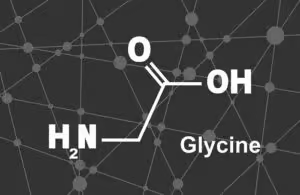
Glycine is the simplest amino acid found in proteins, characterized by a single hydrogen atom as its side chain. It is involved in numerous physiological functions and plays a key role as a neurotransmitter in the central nervous system. Glycine is found in high concentrations in collagen, which is abundant in connective tissues.
Glycine helps:
- Sleep Quality: Glycine has been shown to improve sleep quality and promote restful sleep by lowering body temperature and increasing serotonin levels.
- Cognitive Function: Glycine acts as an inhibitory neurotransmitter in the brain, enhancing cognitive function, memory, and attention.
- Muscle Repair: Glycine supports muscle repair and growth by contributing to the synthesis of collagen and creatine.
- Antioxidant Production: Glycine is a precursor to glutathione, a powerful antioxidant that protects cells from oxidative damage.
- Anti-Inflammatory Effects: Glycine has anti-inflammatory properties, which can help reduce inflammation and promote overall health.
How Glycine Works in the Brain
Glycine functions as an inhibitory neurotransmitter, primarily in the spinal cord and brainstem, where it helps regulate nerve impulses. It also acts as a co-agonist with glutamate at NMDA receptors, which are critical for synaptic plasticity, memory formation, and learning.
- Neurotransmitter Synthesis: Glycine is involved in the synthesis of key neurotransmitters, including serotonin and norepinephrine, which affect mood and cognitive function.
- NMDA Receptor Modulation: By modulating NMDA receptors, glycine plays a role in synaptic plasticity, which is essential for learning and memory.
- Neuroprotection: Glycine has neuroprotective properties that help protect brain cells from damage caused by oxidative stress and excitotoxicity.

Research Studies on Glycine
- Sleep Quality Improvement: A study published in the journal Sleep and Biological Rhythms found that glycine supplementation (3 grams before bedtime) improved sleep quality and reduced daytime sleepiness in individuals with sleep disorders.
- Cognitive Enhancement: Research published in the Journal of Clinical Psychopharmacology showed that glycine supplementation improved cognitive function in individuals with schizophrenia, particularly in memory and attention.
- Metabolic Syndrome: A study in The American Journal of Clinical Nutrition demonstrated that glycine supplementation improved markers of metabolic syndrome, such as insulin resistance and inflammation, in individuals with type 2 diabetes.
- Schizophrenia Treatment: Clinical trials have shown that glycine supplementation can enhance the effects of antipsychotic medications in patients with schizophrenia by modulating NMDA receptor activity.
- Neuroprotection: Research published in Neuropsychopharmacology found that glycine has neuroprotective effects, reducing neuronal damage and improving functional recovery in animal models of stroke.
Glycine Final Thoughts
Glycine is a versatile and important amino acid that plays numerous roles in the body and brain. Its benefits include improved sleep quality, enhanced cognitive function, muscle repair, and antioxidant production. Glycine supplementation can be particularly beneficial for individuals with sleep disorders, cognitive impairment, and metabolic syndrome. Given its safety and efficacy, glycine is a valuable addition to any supplement regimen aimed at promoting overall health and well-being.
References:
- Beneficial Effects of the Amino Acid Glycine
- The effect of glycine administration on the characteristics of physiological systems in human adults: A systematic review
- Dietary Glycine Is Rate-Limiting for Glutathione Synthesis and May Have Broad Potential for Health Protection
- Glycine: The Smallest Anti-Inflammatory Micronutrient
- Glycine-induced NMDA receptor internalization provides neuroprotection and preserves vasculature following ischemic stroke
Leave A Comment