
Key Takeaways
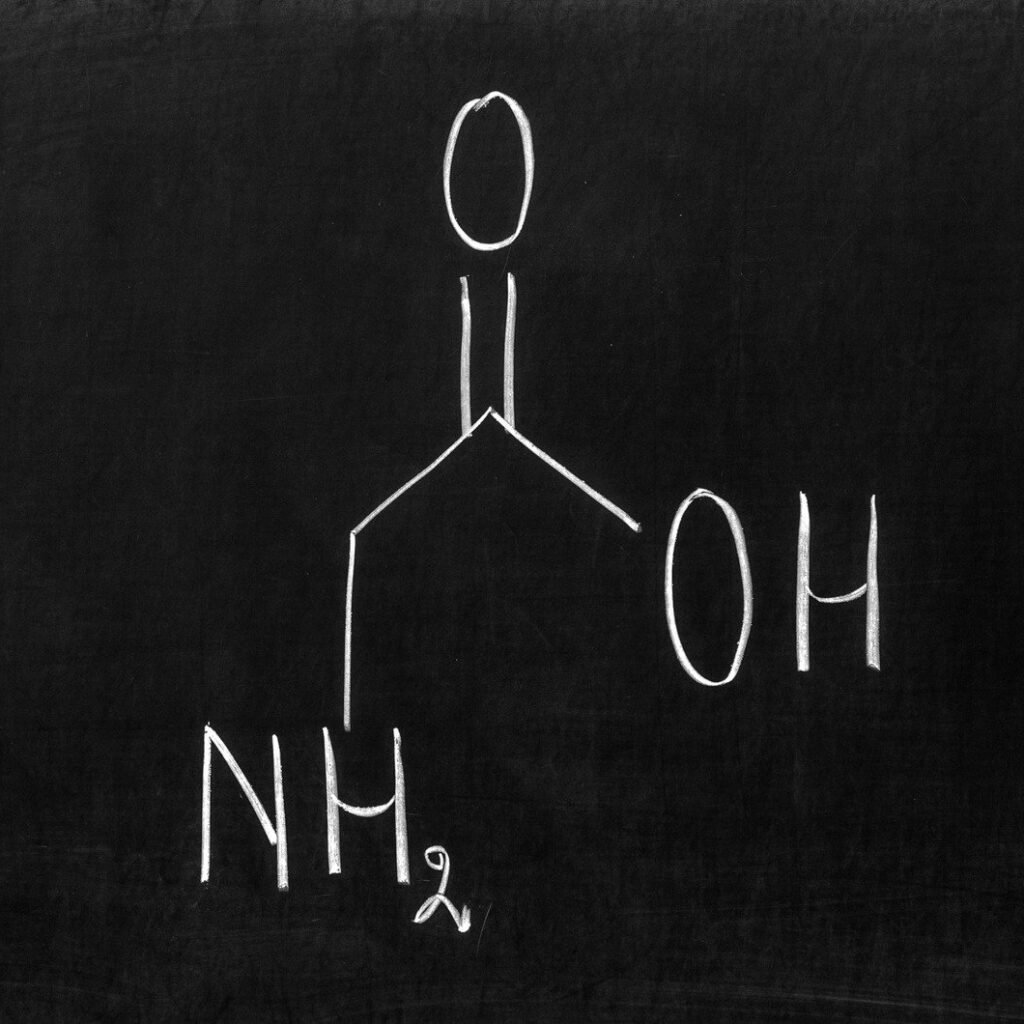
- Glycine: A non-essential amino acid with crucial roles in protein synthesis, neurotransmission, and overall metabolic function.
- Functions: Supports collagen production, which is essential for skin, joint, and connective tissue health.
- Neurotransmitter: Acts as an inhibitory neurotransmitter in the central nervous system, promoting relaxation and sleep.
- Anti-Inflammatory: Has anti-inflammatory properties and may benefit conditions like arthritis and inflammation-related disorders.
- Sources: Good dietary sources include meat, fish, dairy products, and legumes.
Glycine Overview
Glycine is a non-essential amino acid, meaning the body can produce it internally. However, dietary sources of glycine contribute significantly to overall health and well-being.
Glycine Benefits
- Protein Synthesis: Glycine is a building block for proteins, playing a crucial role in muscle growth, repair, and overall metabolic function.
- Collagen Production: Supports collagen synthesis, which is vital for skin elasticity, joint health, and connective tissue integrity.
- Neurotransmission: Acts as an inhibitory neurotransmitter in the central nervous system, promoting relaxation, calmness, and improved sleep quality.
- Anti-Inflammatory: Has anti-inflammatory properties and may help reduce inflammation in conditions like arthritis and inflammatory disorders.
- Detoxification: Involved in the synthesis of glutathione, a potent antioxidant that supports detoxification and protects against oxidative stress.
Glycine Deficiency Symptoms
While glycine deficiency is rare due to its endogenous production, inadequate intake or absorption may lead to:
- Poor Wound Healing: Crucial for collagen formation, and deficiency may impair wound healing and tissue repair.
- Muscle Weakness: Insufficient levels can affect muscle function and contribute to weakness or fatigue.
- Mood Disorders: Glycine’s role as a neurotransmitter may impact mood regulation, with low levels potentially contributing to mood disorders.
- Skin and Joint Issues: Reduced collagen synthesis due to glycine deficiency can lead to skin problems, joint pain, and compromised connective tissue health.
How Glycine Works in the Body
Glycine functions in various physiological processes:
- Protein Synthesis: Incorporated into proteins during synthesis, contributing to muscle growth, repair, and overall tissue maintenance.
- Neurotransmission: Acts as an inhibitory neurotransmitter in the central nervous system, balancing excitatory signals and promoting relaxation.
- Collagen Formation: A key component of collagen, supporting skin elasticity, joint health, and connective tissue integrity.
- Antioxidant Defense: Participates in the synthesis of glutathione, a powerful antioxidant that helps neutralize free radicals and protect cells from oxidative damage.
Glycine Food Sources
Dietary sources rich in glycine include:
- Meat: Chicken, turkey, beef, and pork are excellent sources of glycine.
- Fish: Seafood like salmon, tuna, and shrimp provide glycine along with essential nutrients.
- Dairy Products: Milk, yogurt, and cheese contain glycine and other amino acids essential for health.
- Legumes: Beans, lentils, and soy products are plant-based sources of glycine.
- Gelatin: Collagen-rich foods like gelatin and bone broth are rich sources of glycine.
How Things Go Bad
Factors that can affect glycine levels or function include:
- Poor Diet: Inadequate intake of protein-rich foods containing glycine can lead to suboptimal levels.
- Gut Health: Digestive issues or malabsorption may affect the absorption of glycine and other nutrients.
- Chronic Stress: Prolonged stress can deplete glycine levels, impacting neurotransmitter balance and stress response.
- Aging: Aging may affect glycine synthesis and utilization, potentially contributing to age-related health issues.
Glycine Supplements
Glycine supplements are available and may be used for specific health purposes, such as improving sleep quality or supporting collagen production. However, it’s essential to consult with a healthcare provider before starting any new supplement regimen.
Dosage Recommendations
The recommended dosage of glycine varies depending on individual health needs and goals. Typical doses range from 3 to 5 grams per day for general health support. Higher doses may be used for specific therapeutic purposes, under medical supervision.
Research Studies on Glycine
Research on glycine has explored its potential benefits in various areas, including:
- Sleep Quality: Studies suggest that glycine supplementation may improve sleep quality, reduce insomnia symptoms, and promote relaxation.
- Joint Health: Glycine’s role in collagen synthesis has implications for joint health, potentially benefiting conditions like osteoarthritis.
- Mood Regulation: Some research indicates that glycine may have mood-stabilizing effects and could be beneficial for anxiety and stress management.
- Metabolic Health: Glycine may play a role in metabolic regulation, insulin sensitivity, and blood sugar management, with potential implications for diabetes prevention and management.
Glycine Final Thoughts
Glycine is a versatile amino acid with diverse roles in protein synthesis, neurotransmission, collagen formation, and antioxidant defense. Including glycine-rich foods in your diet or considering supplementation may support overall health, sleep quality, mood balance, and joint function.
Disclaimer
The information provided in this article is for educational purposes only and is not intended as a substitute for professional medical advice, diagnosis, or treatment. Always seek the advice of your physician or other qualified health provider with any questions you may have regarding a medical condition.
Leave A Comment