

Key Takeaways
- Iodine: An essential mineral necessary for thyroid hormone production and overall metabolic function.
- Function: Plays a crucial role in regulating metabolism, growth, and development, particularly during pregnancy and early childhood.
- Deficiency: Can lead to thyroid disorders, impaired cognitive function, and developmental issues.
- Sources: Good dietary sources include iodized salt, seafood, dairy products, and fortified foods.
Iodine Overview
Iodine is a trace mineral essential for the synthesis of thyroid hormones, thyroxine (T4), and triiodothyronine (T3). These hormones play a critical role in regulating metabolism, growth, and development.

Iodine Benefits
- Thyroid Function: Iodine is a key component of thyroid hormones, which regulate metabolism, energy production, and body temperature.
- Metabolic Regulation: Adequate iodine levels support efficient energy metabolism and help maintain a healthy weight.
- Development: Crucial for normal growth and development, particularly in fetuses, infants, and children.
- Cognitive Function: Thyroid hormones influenced by iodine play a role in brain development and cognitive function.
Iodine Deficiency Symptoms
Insufficient iodine intake can lead to:
- Hypothyroidism: Low iodine levels can cause an underactive thyroid, leading to symptoms such as fatigue, weight gain, and cold intolerance.
- Goiter: Enlargement of the thyroid gland, known as a goiter, can occur due to iodine deficiency.
- Cognitive Impairments: Iodine deficiency during pregnancy and early childhood can result in impaired cognitive function and developmental delays.
- Thyroid Disorders: Severe iodine deficiency may contribute to thyroid disorders such as hypothyroidism or hyperthyroidism.
How Iodine Works in the Body
Iodine is absorbed from the diet and used by the thyroid gland to produce thyroid hormones. These hormones play a crucial role in regulating metabolism, growth, and energy production throughout the body.
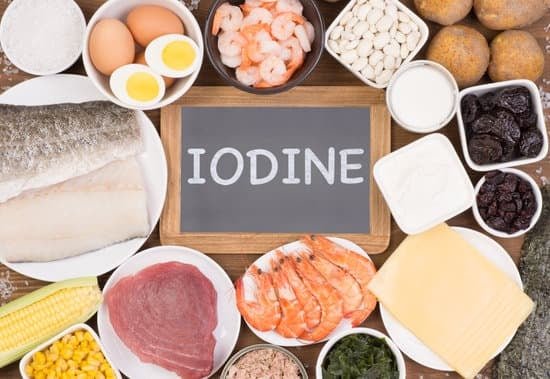
Iodine Food Sources
Dietary sources of iodine include:
- Iodized Salt: Salt fortified with iodine is a common source of this mineral in many diets.
- Seafood: Fish and seaweed are rich in iodine, especially cod, tuna, shrimp, and kelp.
- Dairy Products: Milk, yogurt, and cheese can contribute to iodine intake, particularly if fortified.
- Eggs: Eggs contain iodine, along with other essential nutrients.
- Fortified Foods: Some bread, cereals, and other processed foods are fortified with iodine.
How Things Go Bad
Iodine deficiency can result from:
- Low Dietary Intake: Inadequate consumption of iodine-rich foods or reliance on non-iodized salt can lead to deficiency.
- Geographic Factors: Certain regions with low soil iodine levels may have populations at higher risk of iodine deficiency.
- Pregnancy and Lactation: Increased iodine requirements during pregnancy and breastfeeding can lead to deficiency if dietary intake is insufficient.
- Vegetarian or Vegan Diets: Plant-based diets may provide less iodine unless supplemented or enriched with iodine-containing foods.
Iodine Supplements
Iodine supplements, such as potassium iodide or iodine drops, are available to address deficiency under medical supervision. It’s crucial to consult with a healthcare provider for proper dosage and monitoring, as excessive iodine intake can also be harmful.
Dosage Recommendations
The recommended daily allowance (RDA) for iodine varies by age, gender, and life stage:
- Adults: 150 mcg/day
- Pregnant Women: 220-250 mcg/day
- Breastfeeding Women: 250-290 mcg/day
- Children and Adolescents: 90-150 mcg/day
Specific dosages may vary based on individual health status and dietary intake.
Research Studies on Iodine
Numerous studies have investigated the effects of iodine supplementation and its role in preventing iodine deficiency disorders (IDDs), such as:
- Thyroid Health: Adequate iodine intake supports thyroid function, preventing hypothyroidism, goiter, and other thyroid disorders.
- Pregnancy Outcomes: Maternal iodine status impacts fetal development, and iodine supplementation during pregnancy can reduce the risk of cognitive impairments in children.
- Cognitive Function: Iodine deficiency has been linked to lower IQ and cognitive deficits, highlighting the importance of adequate iodine intake for brain health.
- Public Health Interventions: Efforts such as iodized salt programs have been successful in reducing IDD prevalence and improving population iodine status.
Iodine Final Thoughts
Iodine is a crucial mineral for thyroid function, metabolic regulation, and overall health. Ensuring adequate iodine intake through dietary sources or supplementation is essential, particularly for pregnant women, breastfeeding mothers, and young children.
Disclaimer
The information provided in this article is for educational purposes only and is not intended as a substitute for professional medical advice, diagnosis, or treatment. Always seek the advice of your physician or other qualified health provider with any questions you may have regarding a medical condition.
Leave A Comment