
Key Takeaways
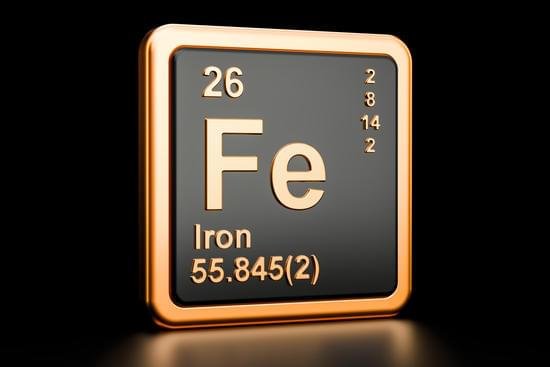
- Iron: An essential mineral that plays a vital role in transporting oxygen throughout the body and supporting overall energy production.
- Function: A key component of hemoglobin, the protein in red blood cells responsible for carrying oxygen from the lungs to tissues.
- Deficiency: Can lead to anemia, fatigue, weakness, and impaired cognitive function.
- Sources: Good dietary sources include meat, poultry, fish, legumes, fortified cereals, and leafy green vegetables.
Iron Overview
Iron is a crucial mineral involved in oxygen transport, energy production, and various metabolic processes in the body. It is necessary for the formation of hemoglobin and myoglobin, proteins that carry and store oxygen in cells.
Iron Benefits
- Oxygen Transport: Essential for the synthesis of hemoglobin, which transports oxygen from the lungs to tissues throughout the body.
- Energy Production: Plays a role in cellular respiration and the production of adenosine triphosphate (ATP), the body’s primary energy currency.
- Cognitive Function: Adequate iron levels support cognitive processes such as memory, attention, and learning.
- Immune System Support: Involved in immune cell function and response to infections.
Iron Deficiency Symptoms
Insufficient iron intake or absorption can lead to:
- Anemia: Characterized by low hemoglobin levels, resulting in fatigue, weakness, and pale skin.
- Fatigue: Iron-deficient individuals often experience persistent tiredness and reduced energy levels.
- Weakness: Muscle weakness and decreased exercise tolerance can occur due to inadequate oxygen delivery.
- Impaired Cognitive Function: May impact cognitive abilities, including memory, concentration, and problem-solving.
- Pale Skin: Can lead to a pale or “washed-out” appearance of the skin and mucous membranes.
How Iron Works in the Body
Iron is a critical component of hemoglobin, myoglobin, and various enzymes involved in energy metabolism, DNA synthesis, and antioxidant defense. It binds to oxygen in the lungs and transports it via red blood cells to tissues for cellular respiration.
Iron Food Sources
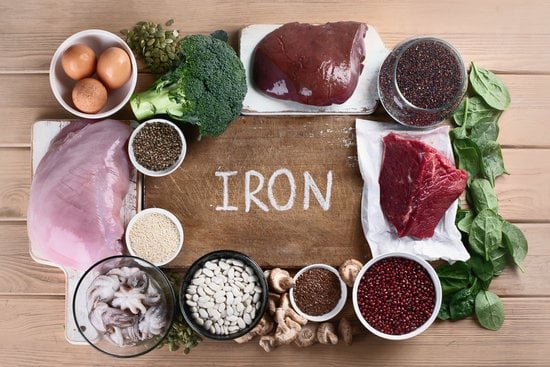
Dietary sources of iron include:
- Meat: Red meat, poultry, and seafood are rich in heme iron, which is more easily absorbed by the body.
- Legumes: Beans, lentils, and chickpeas provide non-heme iron, a less absorbable form found in plant-based foods.
- Fortified Foods: Iron-fortified cereals, bread, and other grain products are good sources, especially for vegetarians and vegans.
- Leafy Green Vegetables: Spinach, kale, and broccoli contain non-heme iron along with other nutrients.
- Nuts and Seeds: Pumpkin seeds, cashews, and almonds contribute to iron intake.
How Things Go Bad
Iron deficiency can result from:
- Inadequate Intake: Not consuming enough iron-rich foods in the diet, especially for individuals with increased iron needs (e.g., pregnant women).
- Poor Absorption: Certain factors like phytates, tannins, and calcium can inhibit iron absorption from plant-based sources.
- Blood Loss: Chronic blood loss from menstruation, gastrointestinal bleeding, or other medical conditions can lead to deficiency.
- Increased Requirements: Growth periods (e.g., infancy, adolescence), pregnancy, and intense physical activity may increase iron needs.
- Malabsorption Disorders: Conditions affecting nutrient absorption in the digestive tract can contribute to deficiency.

Iron Supplements
Iron supplements, including ferrous sulfate, ferrous gluconate, and ferrous fumarate, are available to address iron deficiency under medical supervision. It’s essential to consult with a healthcare provider for proper dosage and monitoring.
Dosage Recommendations
The recommended daily allowance (RDA) for iron varies by age, gender, and life stage:
- Adult Men: 8 mg/day
- Adult Women (non-pregnant): 18 mg/day
- Pregnant Women: 27 mg/day
- Breastfeeding Women: 9-10 mg/day
Specific dosages may vary based on individual health status and should be determined in consultation with a healthcare provider.
Research Studies on Iron
Numerous studies have explored the effects of iron supplementation in various populations and health conditions, including:
- Anemia Management: Effective in treating and preventing iron deficiency anemia, improving hemoglobin levels and reducing symptoms of fatigue and weakness.
- Pregnancy Outcomes: Adequate iron intake during pregnancy is essential for maternal health and fetal development, reducing the risk of preterm birth and low birth weight.
- Athletic Performance: Iron status can impact exercise performance, with iron-deficient individuals experiencing reduced endurance and athletic capacity.
- Cognitive Function: Iron deficiency has been linked to cognitive impairments, and iron supplementation may benefit cognitive performance, especially in children and adolescents.
Iron Final Thoughts
Iron is a vital nutrient with critical roles in oxygen transport, energy metabolism, and overall health. Maintaining adequate iron levels through a balanced diet or supplementation when necessary supports optimal physical and cognitive function.
Disclaimer
The information provided in this article is for educational purposes only and is not intended as a substitute for professional medical advice, diagnosis, or treatment. Always seek the advice of your physician or other qualified health provider with any questions you may have regarding a medical condition.
Leave A Comment