
Key Takeaways
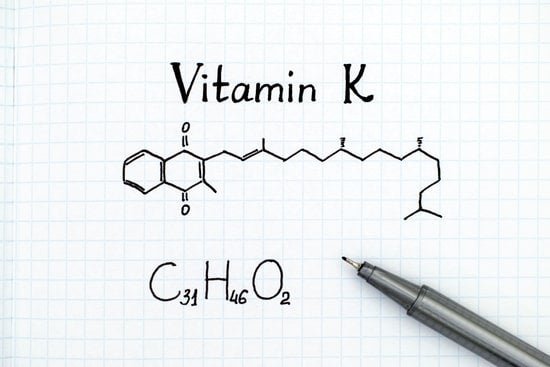
- Vitamin K: A fat-soluble vitamin essential for blood clotting, bone health, and cardiovascular function.
- Forms: Exists in two main forms—vitamin K1 (phylloquinone) and vitamin K2 (menaquinone), each with distinct roles in the body.
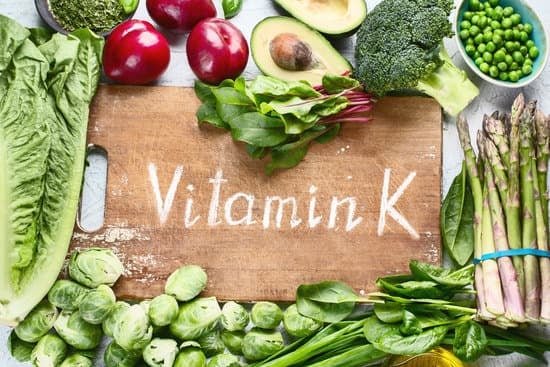
- Sources: Vitamin K1 is primarily found in leafy green vegetables, while vitamin K2 is produced by gut bacteria and found in fermented foods and animal products.
Vitamin K Overview
Vitamin K is crucial for proper blood clotting, bone metabolism, and heart health. It helps activate proteins that play key roles in these processes, ensuring normal function and tissue integrity.
Vitamin K Benefits
- Blood Clotting: Essential for the synthesis of clotting factors, enabling the blood to clot properly and prevent excessive bleeding.
- Bone Health: Contributes to bone mineralization and density, reducing the risk of fractures and osteoporosis.
- Heart Health: Some research suggests that vitamin K may help reduce the risk of cardiovascular diseases by supporting arterial health and preventing calcification.
Vitamin K Forms and Food Sources
- Vitamin K1 (Phylloquinone): Found in green leafy vegetables like spinach, kale, and broccoli, as well as certain oils like soybean and canola oil.
- Vitamin K2 (Menaquinone): Produced by gut bacteria and found in fermented foods (e.g., natto, cheese) and animal products (e.g., liver, egg yolks).
How Vitamin K Works in the Body
Vitamin K plays a critical role in the carboxylation of proteins involved in blood clotting and bone metabolism. It activates clotting factors and supports the incorporation of calcium into bones, promoting proper function and structure.
Deficiency Symptoms
A deficiency in vitamin K can lead to:
- Increased Bleeding: Due to impaired clotting function, leading to easy bruising and prolonged bleeding.
- Poor Bone Health: Increased risk of fractures, osteoporosis, and impaired bone mineralization.
- Cardiovascular Risks: Some studies suggest a potential link between vitamin K deficiency and an increased risk of heart disease and arterial calcification.
How Things Go Bad
Vitamin K deficiency can result from:
- Poor Diet: Inadequate intake of vitamin K-rich foods, especially green leafy vegetables and fermented products.
- Malabsorption: Conditions that affect fat absorption (e.g., certain digestive disorders, bile duct obstruction) can lead to reduced vitamin K absorption.
- Medications: Some medications (e.g., certain antibiotics, anticoagulants) can interfere with vitamin K metabolism and utilization.
Types of Vitamin K Supplements
Vitamin K supplements are available in various forms:
- Vitamin K1 Supplements: Derived from plant sources and commonly used to support blood clotting.
- Vitamin K2 Supplements: Often sourced from bacterial fermentation and may have additional benefits for bone and cardiovascular health.
Dosage Recommendations
The recommended daily intake of vitamin K varies by age and gender:
- Adults: The adequate intake for adult men is 120 micrograms per day, and for adult women, it’s 90 micrograms per day.
- Children: Children’s requirements vary by age, ranging from 30-75 micrograms per day.
Specific dosages may vary based on individual health needs and should be determined in consultation with a healthcare provider.
Research Studies on Vitamin K
- Bone Health: Studies have shown that vitamin K supplementation can improve bone mineral density and reduce fracture risk, especially in postmenopausal women and elderly individuals.
- Blood Clotting: Essential for proper blood clotting, and deficiencies can lead to bleeding disorders.
- Cardiovascular Health: Some research suggests that vitamin K may have protective effects on the cardiovascular system by reducing arterial calcification and improving vascular health.
Vitamin K Final Thoughts
Vitamin K is a vital nutrient with diverse roles in blood clotting, bone health, and cardiovascular function. It’s important to consume a balanced diet rich in vitamin K-containing foods or consider supplementation if necessary, especially for individuals at risk of deficiency or with specific health conditions.
Disclaimer
The information provided in this article is for educational purposes only and is not intended as a substitute for professional medical advice, diagnosis, or treatment. Always seek the advice of your physician or other qualified health provider with any questions you may have regarding a medical condition.
Leave A Comment